Product Photography

“I could take a picture like that for free. What do I need? Good lighting and a friend’s iPhone X, right?”

This is how I felt about product photography for a long time. I had become numb to the everyday beauty I see in advertising.

Who wouldn’t? If you see a high quality product too often, it becomes the norm, expected and never valued. Every single day, we see hundreds of images on social media: some are paid ads, some are just for the #aesthetic, but all of them are beautiful. And to someone who is trying to break into that scene, to brand her company, and to be appealing, it seemed so easy and achievable.

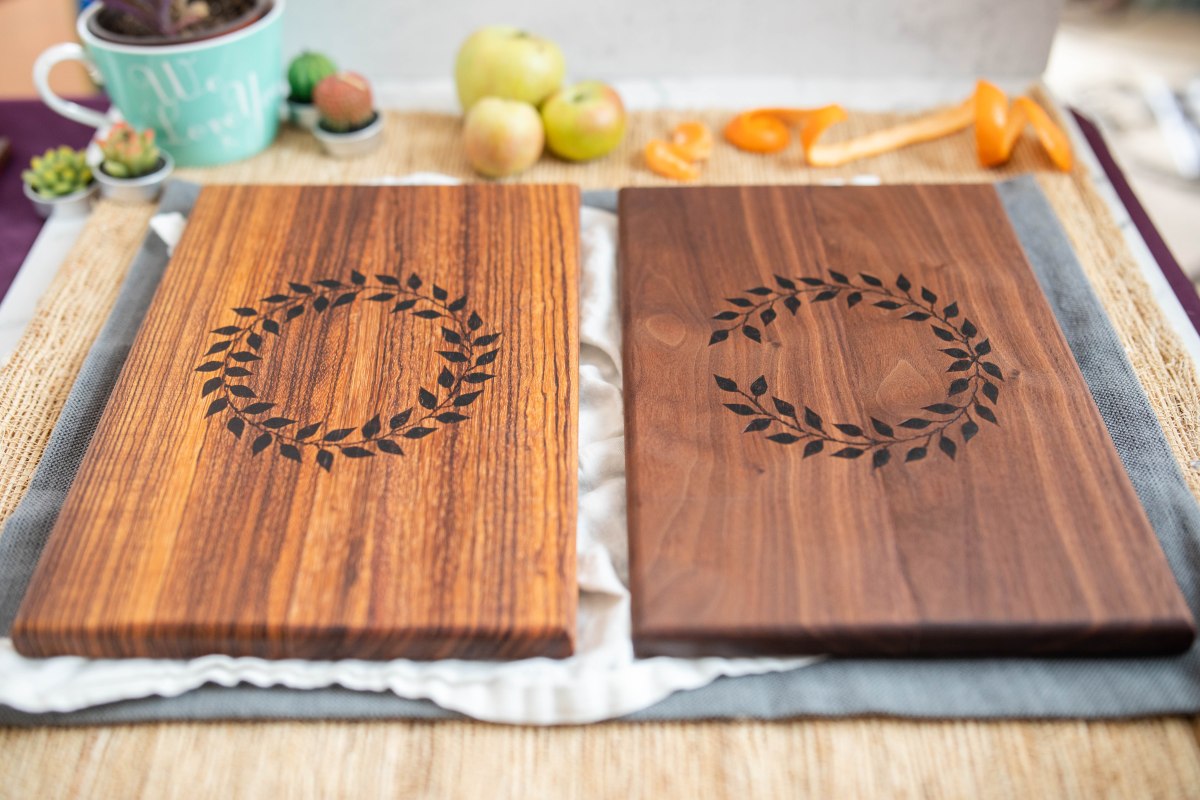
But then the light hits wrong, and I can’t get past the reflection on the waxed wood surface that I want to accurately portray. I go to the other side and my shadow is creating a harsh contrast. Eventually I settle for shots that are “good enough”. I dealt with my subpar photography for over a year, knowing it was good enough for now, since I was just beginning my blog and portfolio.

And then I met Selle. A small business owner and an accomplished photographer, Selle does product photography for her inventory and it looks amazing. I checked out her Instagram, and I could finally appreciate how much skill she must have to make her inventory look so good. I booked her as soon as I had my inventory completed.

Was it worth it? Yes. Selle spent hours working to get beautiful shots, and we collaborated on creative ways to decorate the shots. She spent hours afterwards editing and processing the photos. She saved me endless time and frustration. The process of adding the shots to my site and social media was made easier by having the right crops and angles. You can see the results on my front page, my catalog, and my Instagram account.

What you can’t see is how these photos helped me. I am no stranger to imposter syndrome – I feel it all the time. I doubted the appeal of my woodwork after staring at it for so long. Like the industry of product photography, the beauty of the wood became expected and undervalued. Selle’s work helped me believe that others could find my work as beautiful as I did.

I’m going to be posting these photos for ages, I never get tired of looking at them. And if you have inventory, and you are losing that spark you had with it, try looking at it through a product photographer’s eyes.
Starting Small

Hello dear reader. If you’ve been following my work to this point, thank you. Your support, whether silent or voiced, is a positive part of my woodworking experience, and is always appreciated. This month is the official launch of my small business, and I want to memorialize how it started.

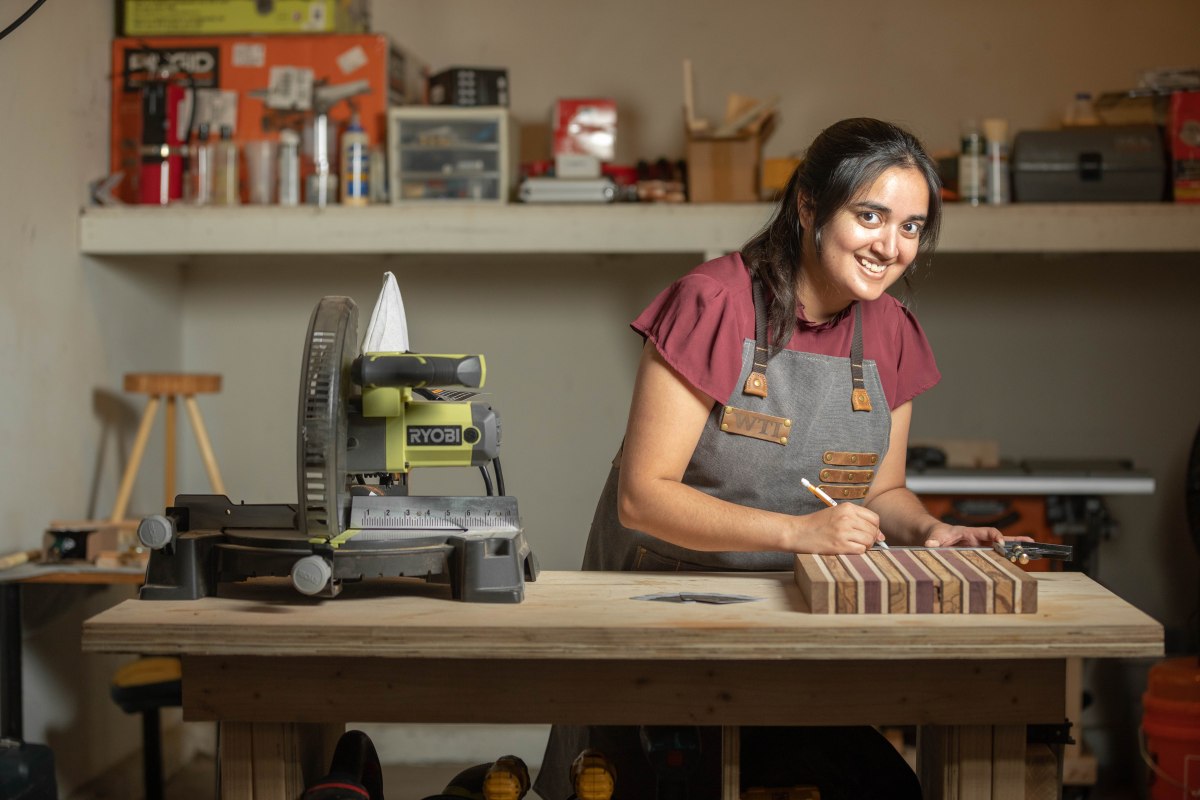
In May 2020, I started a wood workshop in my garage. My love of woodwork was born from boredom and a love of saws. Now that I say it out loud, it’s good I went the creative, non-murderous route with my hobby choice.

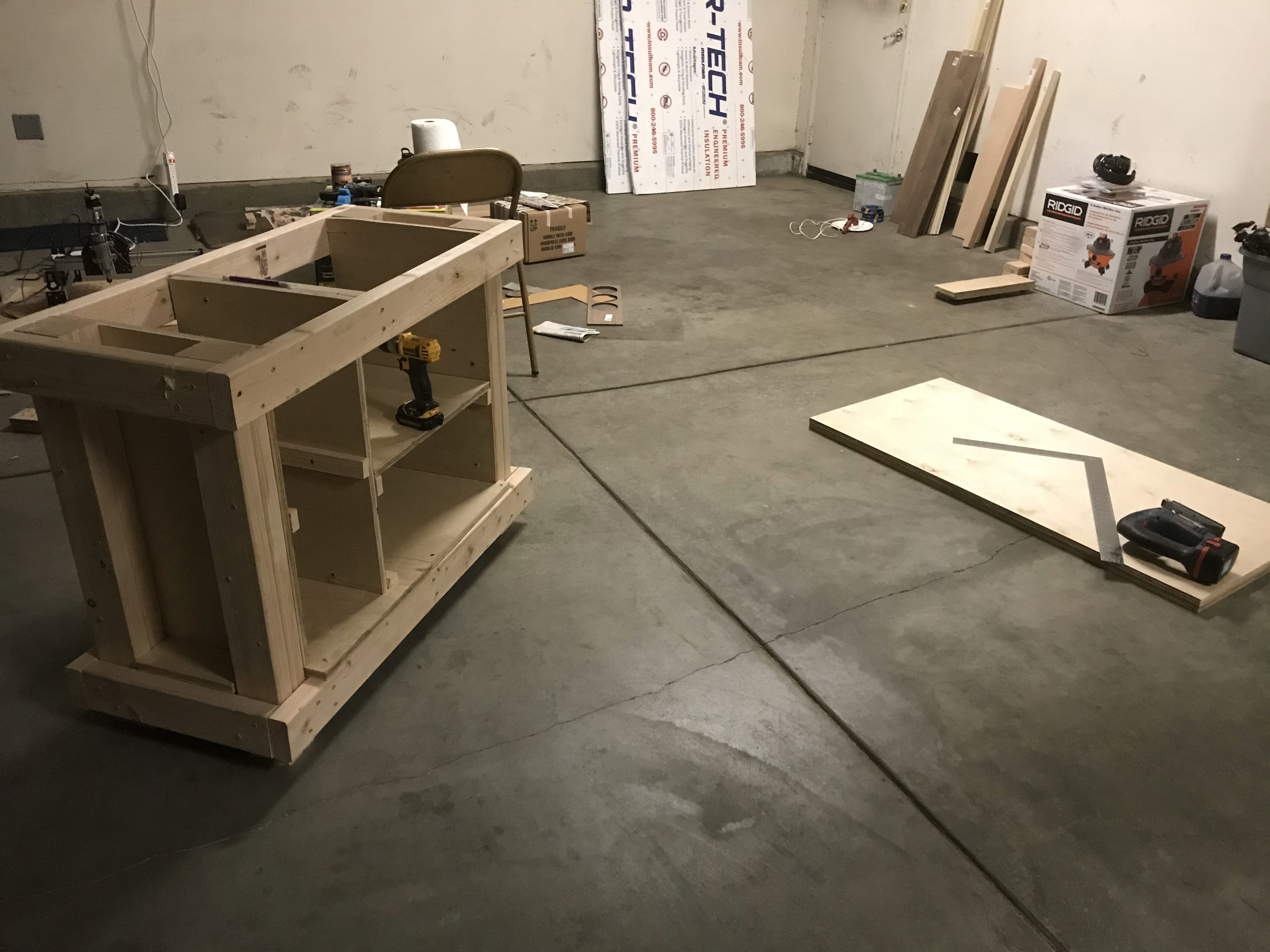
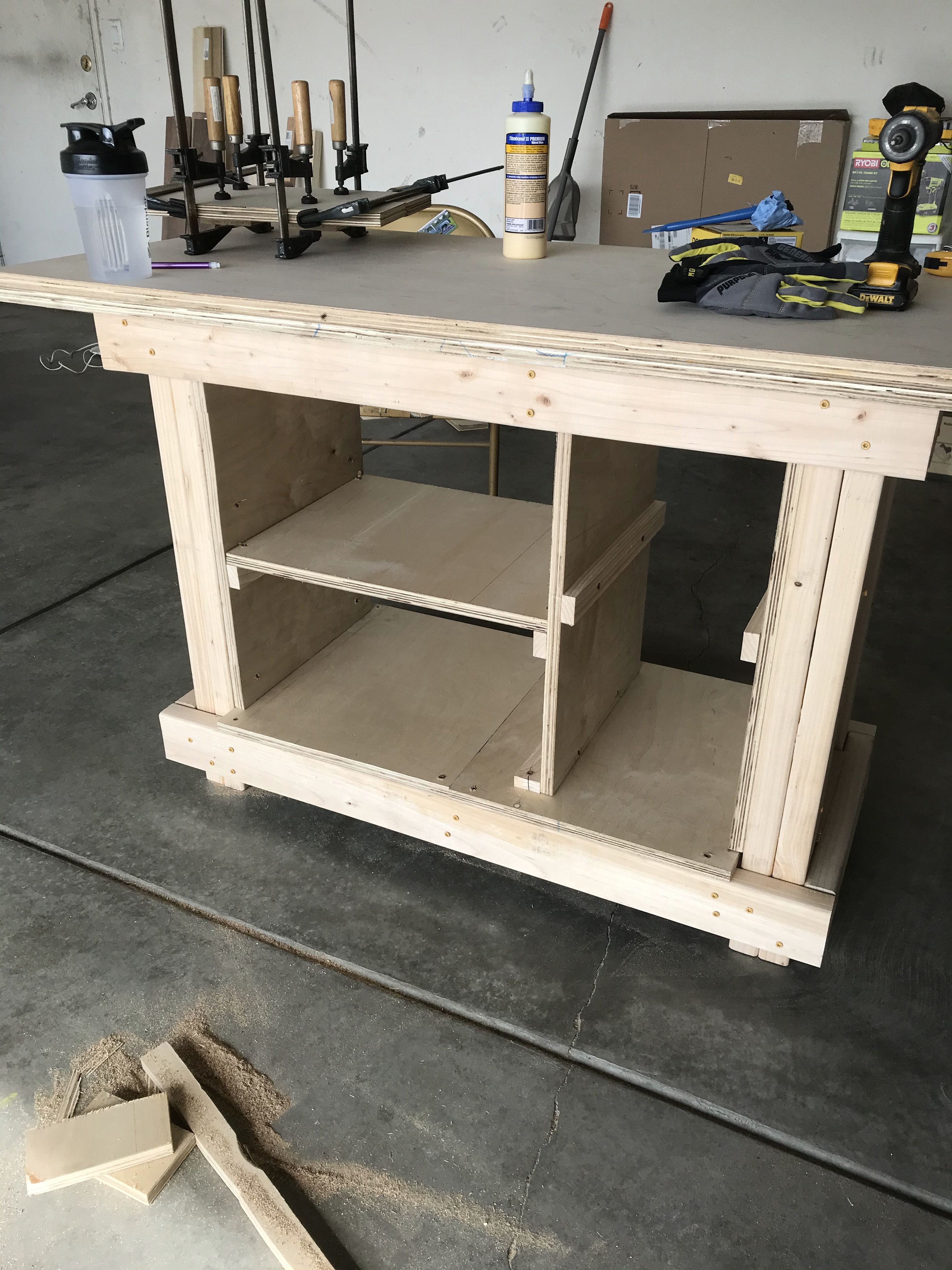
I found a beginner list of tools online and built my workshop from the ground up, literally. I started with a Miter saw on the ground and built the workbenches that I now work on. After following a beginner course online, I was able to create my own designs for lap desks, plant stands, and more. Every project was a step in my journey to becoming a decent woodworker. Once I made enough projects, I wanted to make a portfolio to track my progress.

In December 2020, my partner gifted me a website. What a gift it has been! I have been able to write out my creative process and share my build process. Best of all, it is a reminder of where I’ve been, and how much I’ve grown as a woodworker. When life felt too busy for woodwork, I was able to write about my projects, reminisce, and regain my interest in woodwork.

In late October 2021, I walked by a craft fair and asked the organizers for a business card. I decided to see if I too could become a vendor. I applied with my portfolio for fun, not expecting to get in. 2 days later I was accepted and realized I had to actually create inventory now. This is what I do: I briefly have a lull in my life, then something takes my fancy. I apply for it, and then end up with way more work than I had anticipated. It’s a crazy way to live, but it makes things interesting.

The first 3 weeks of November were filled with woodwork. It was my first time making inventory, which was its own journey. Choosing what to build was difficult. The fair is this week, and I hope that the items I enjoyed making are the ones that people enjoy buying. I’ll analyze the inventory in a later post, after I get more selling experience.

The other benefit of signing up for the craft fair was officially creating my small business. I’m a small business owner now, and I can’t wait to see how it goes. Every new step is complex, but it pushes me to learn about small business, about my customers, and about myself. The cycle of researching, implementing, and observing is part of the fun for me. The lows are low but the highs are higher.
Through the lows of quarantine, and the lows of my personal life this year, woodwork has always been there as an escape. Even in tough times, my woodwork can turn my mood around. At the end of the day, I find peace in my workshop. And that is why I started this small business.
Triangle Bookshelf

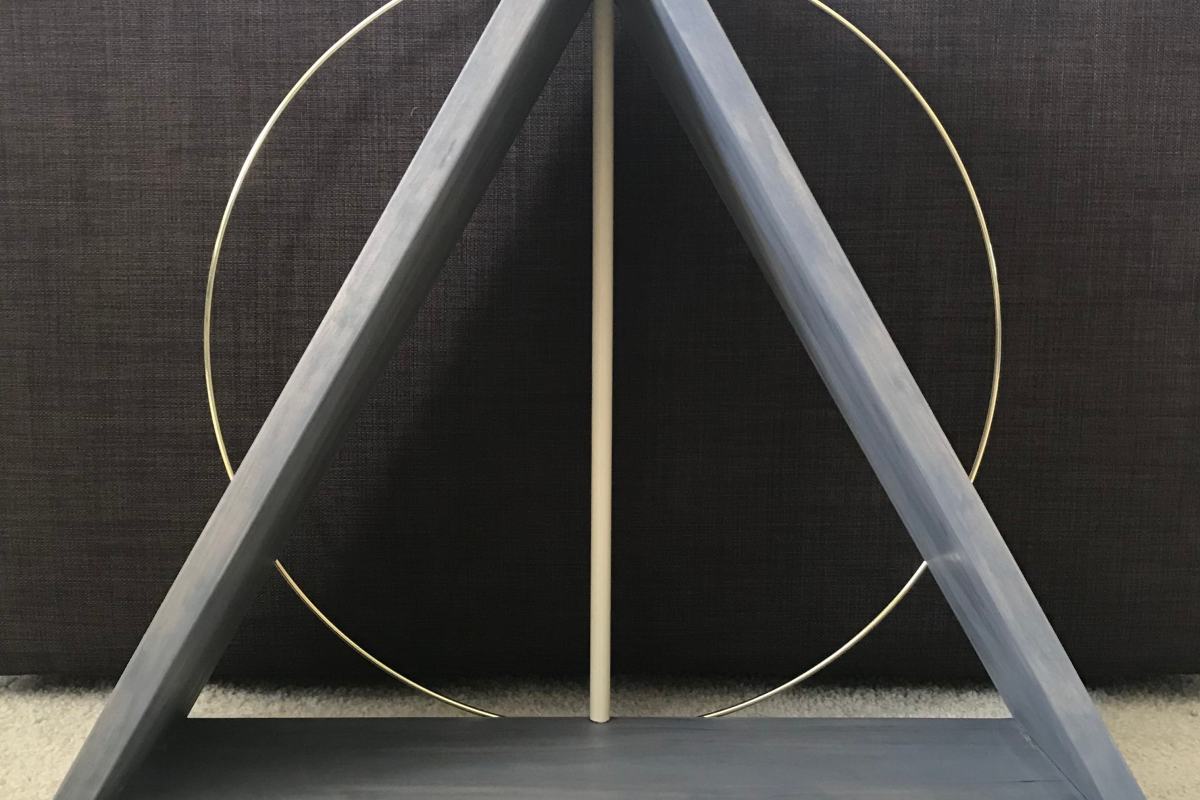
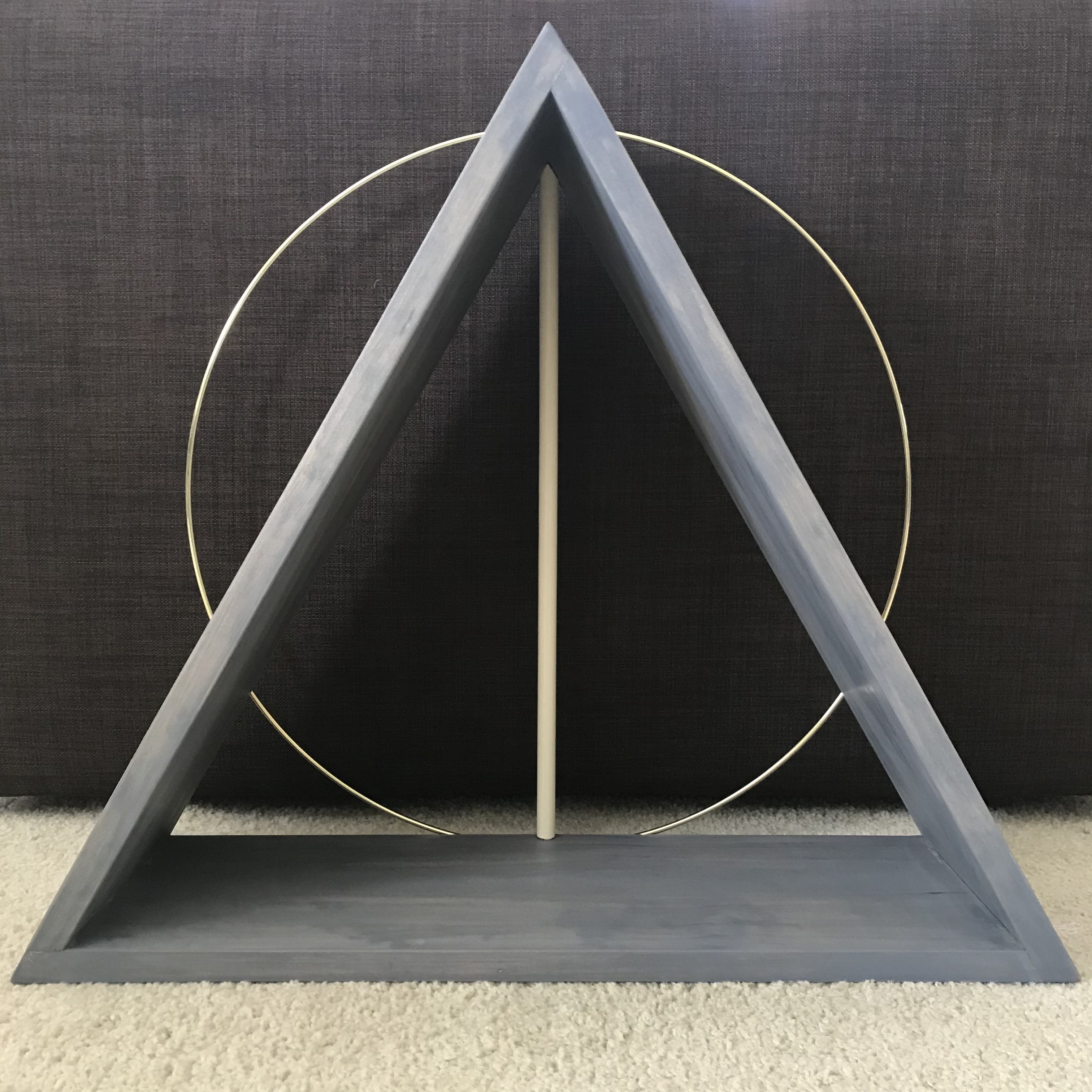
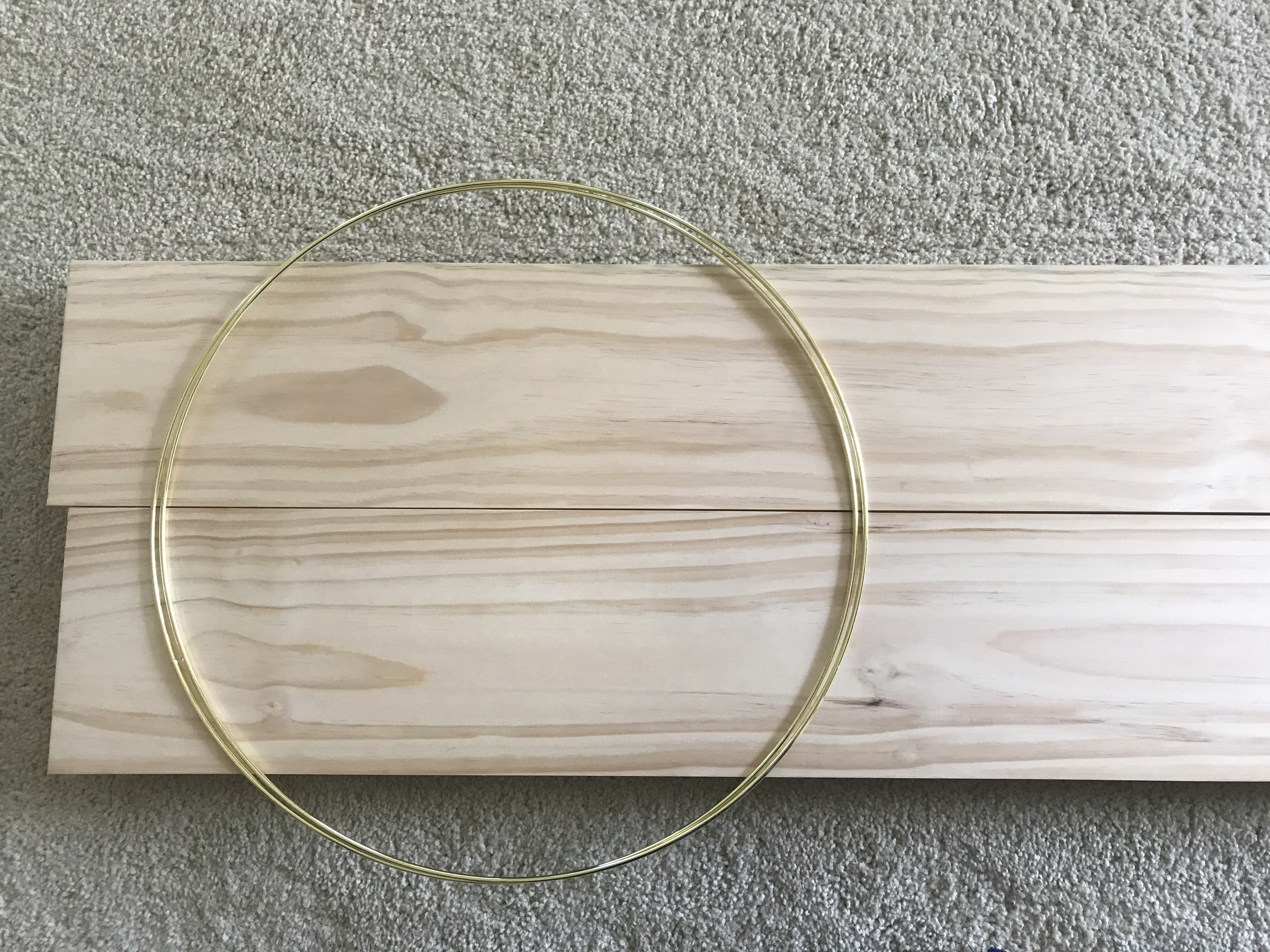
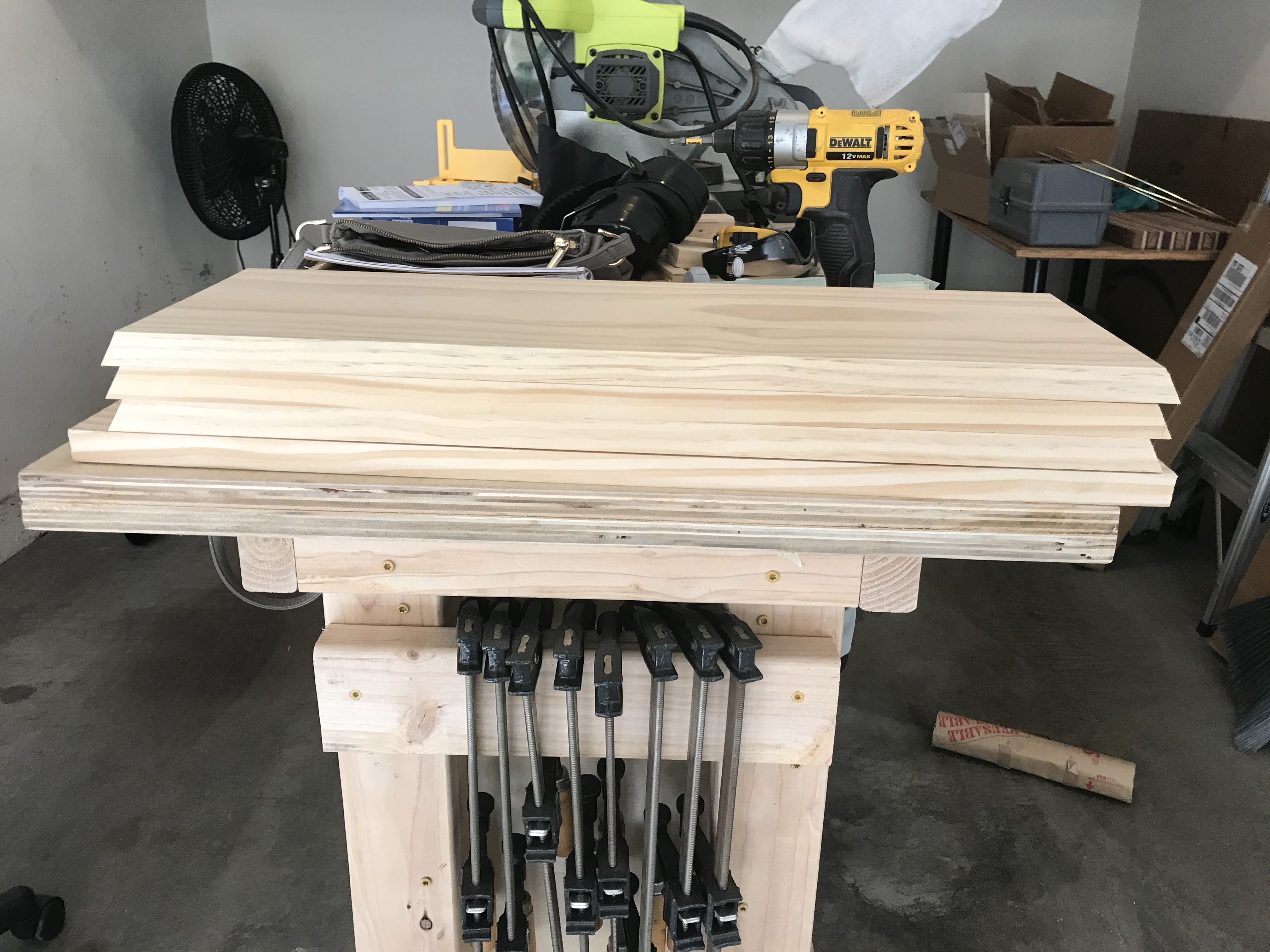
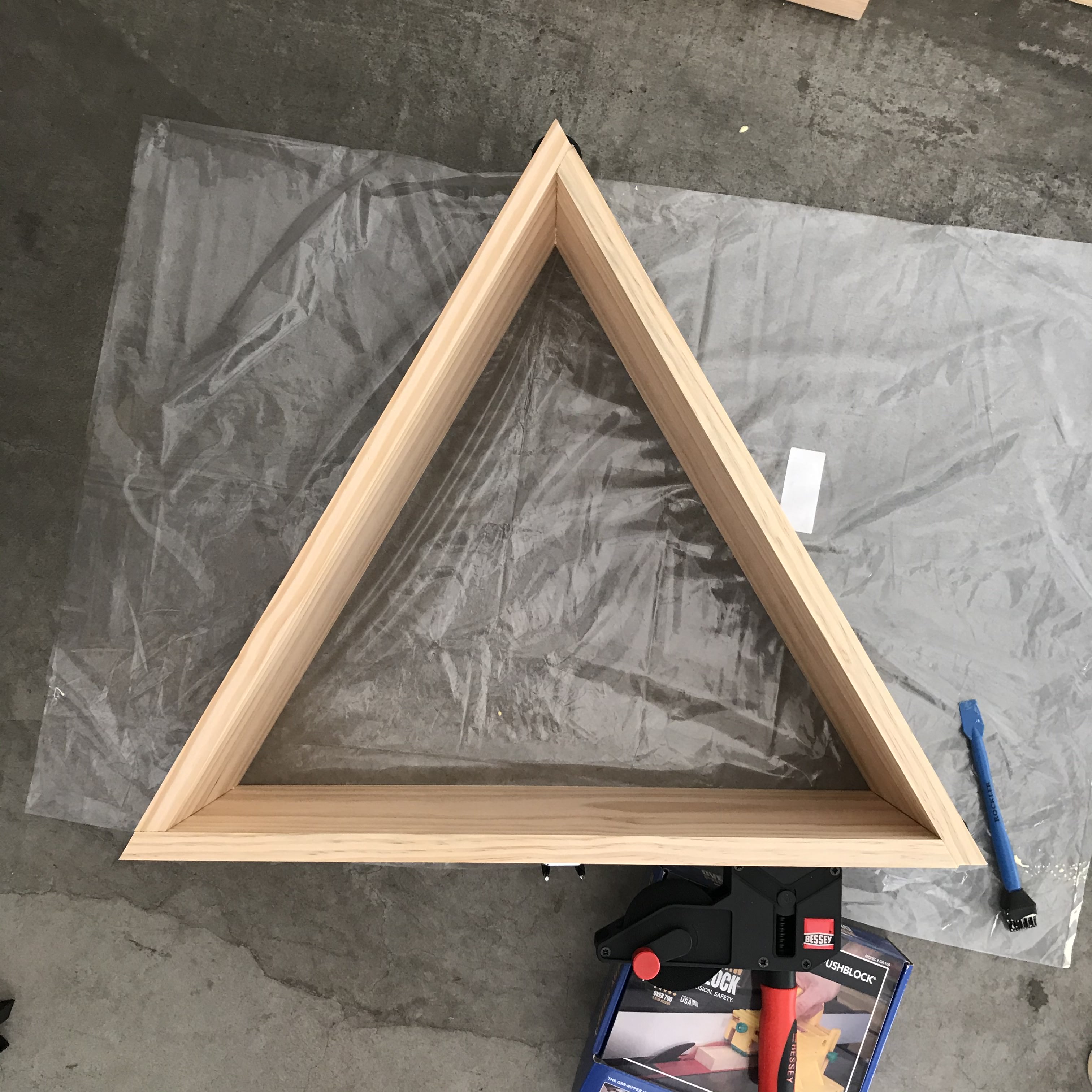
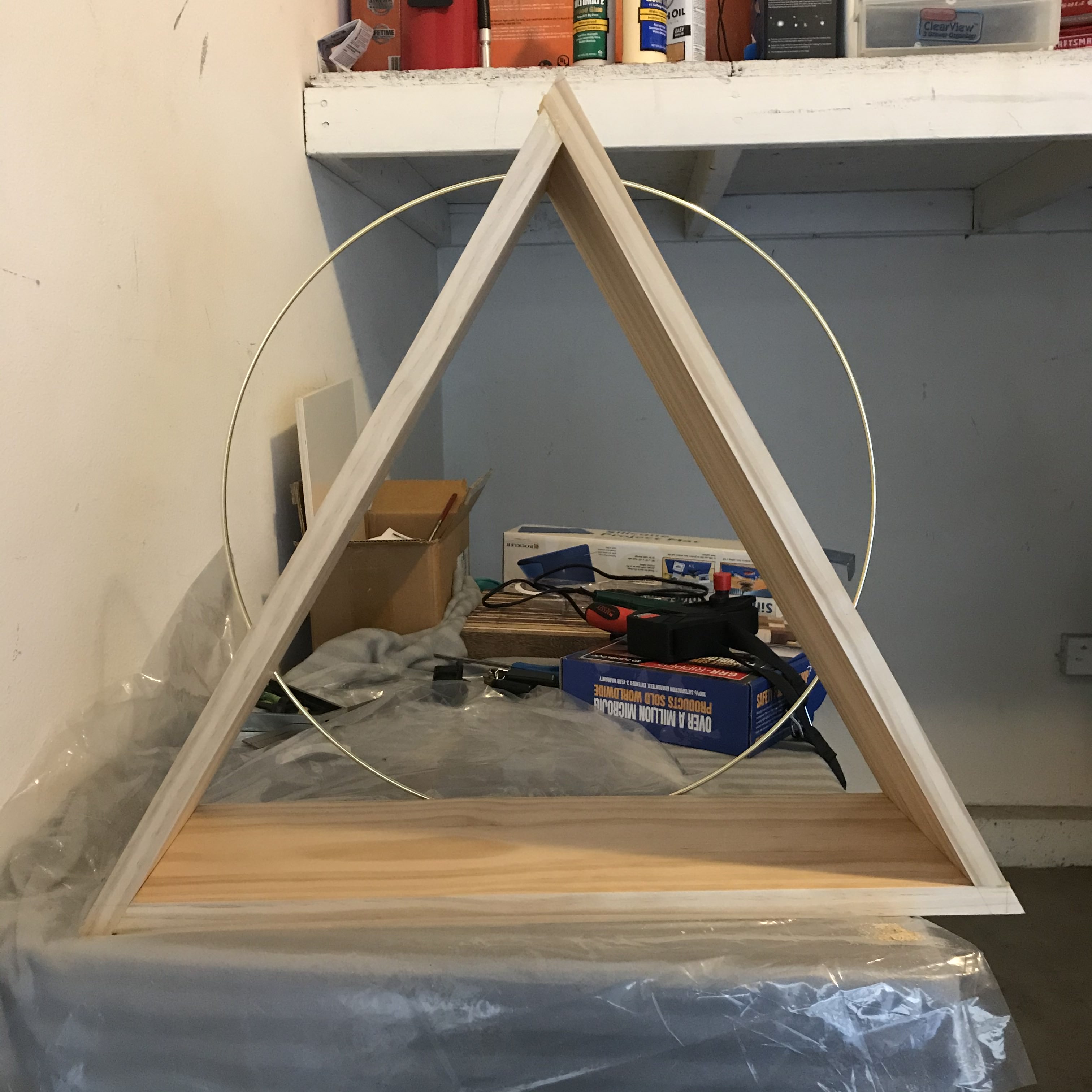
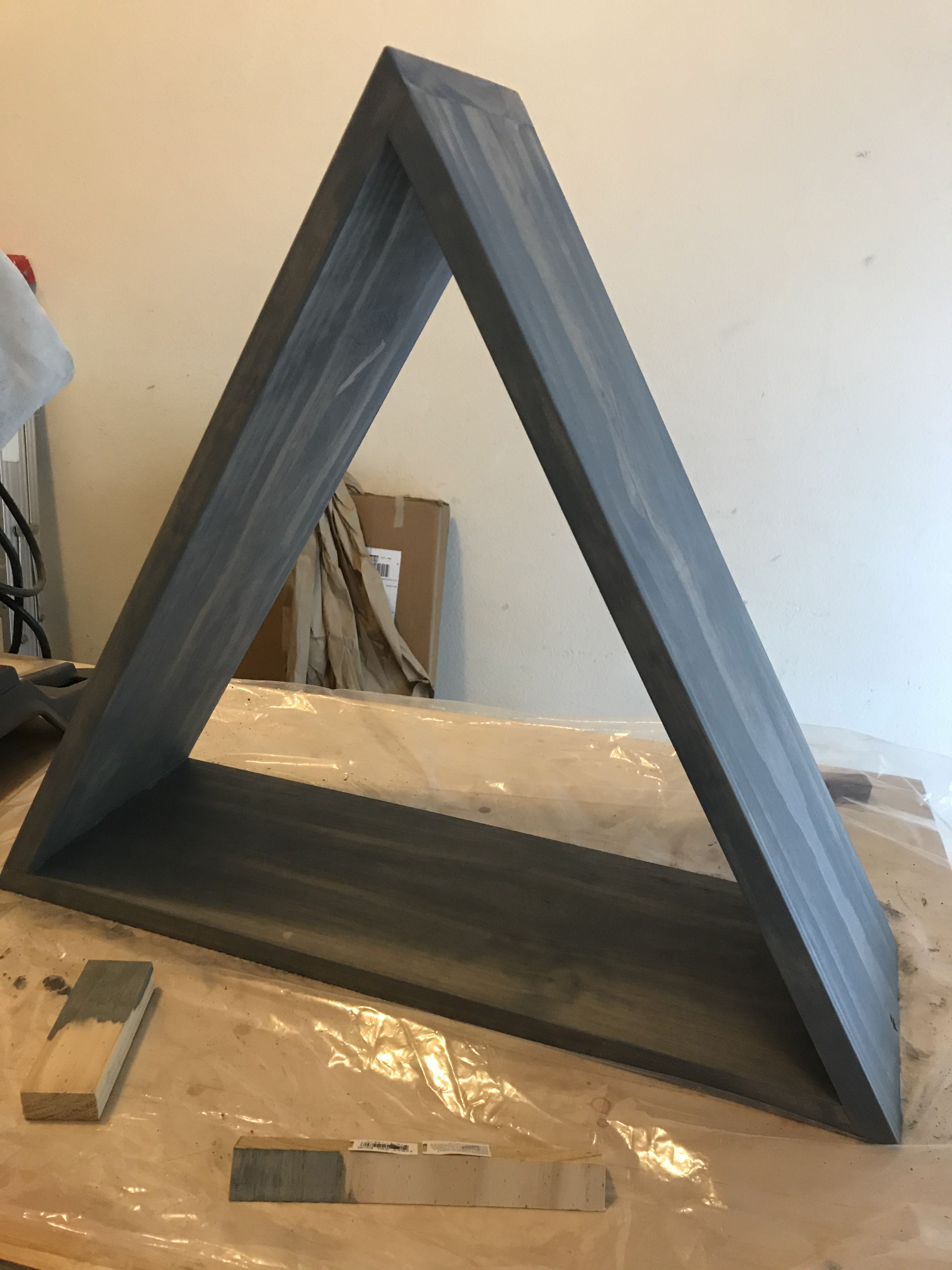
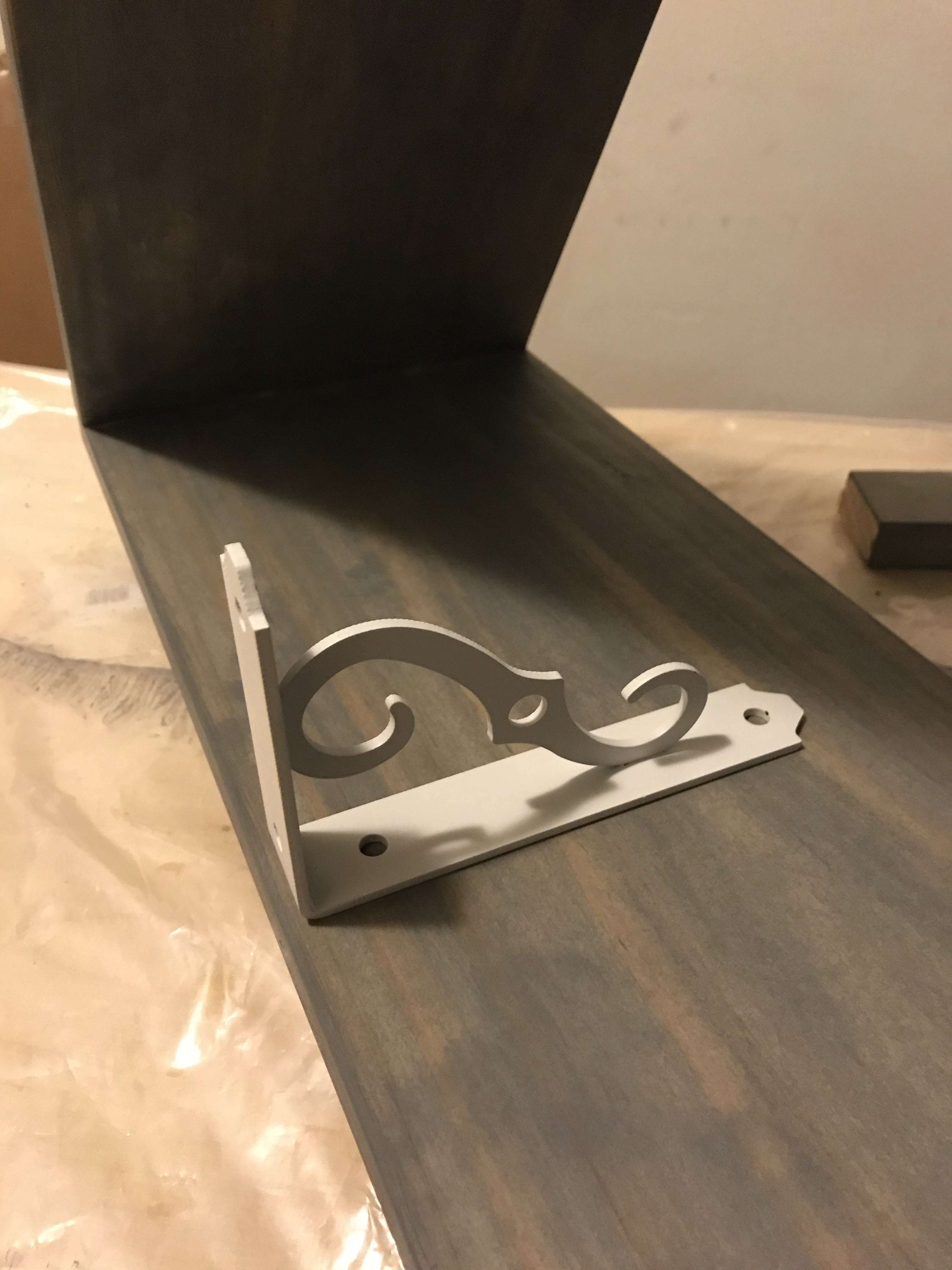
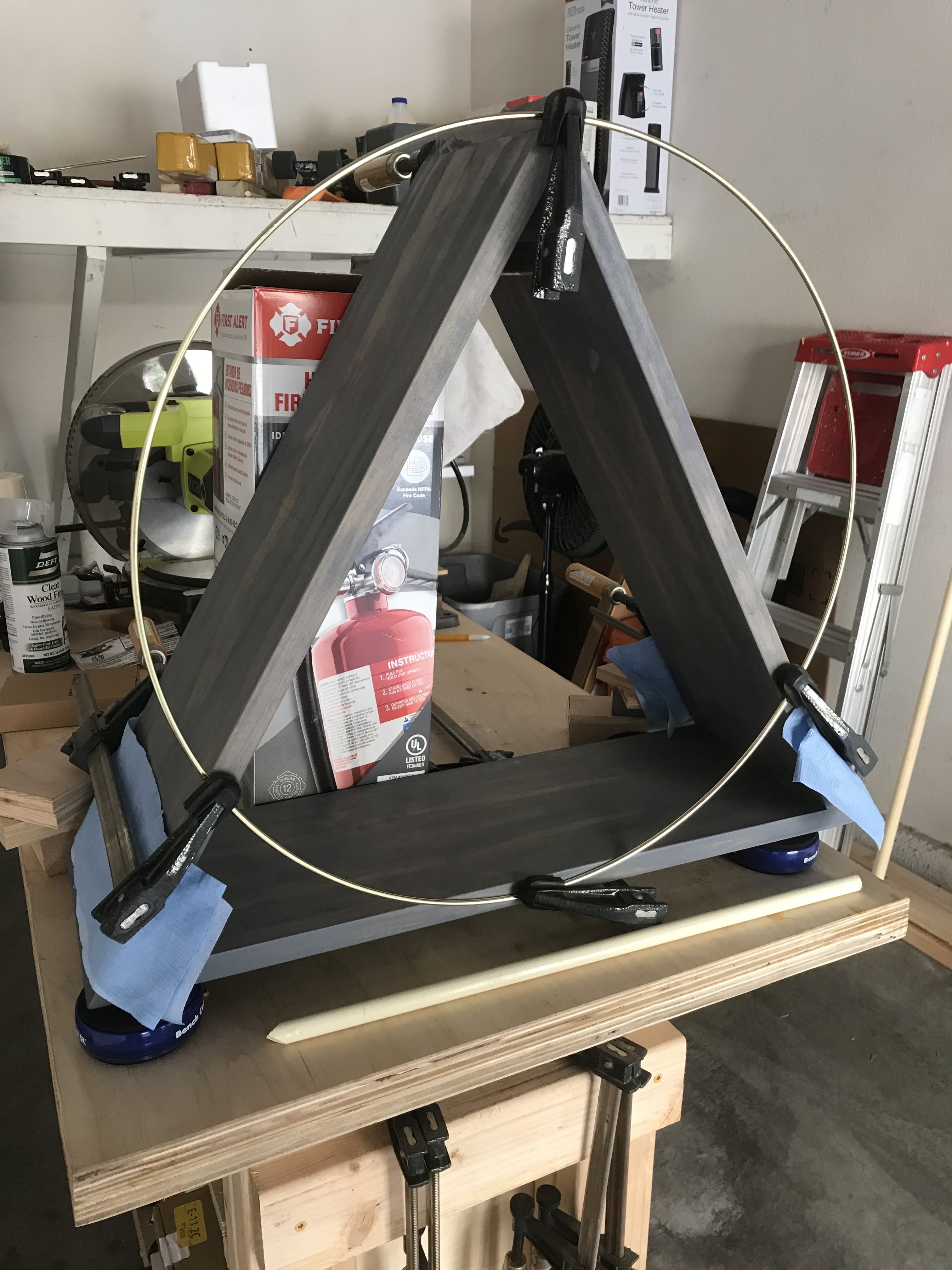
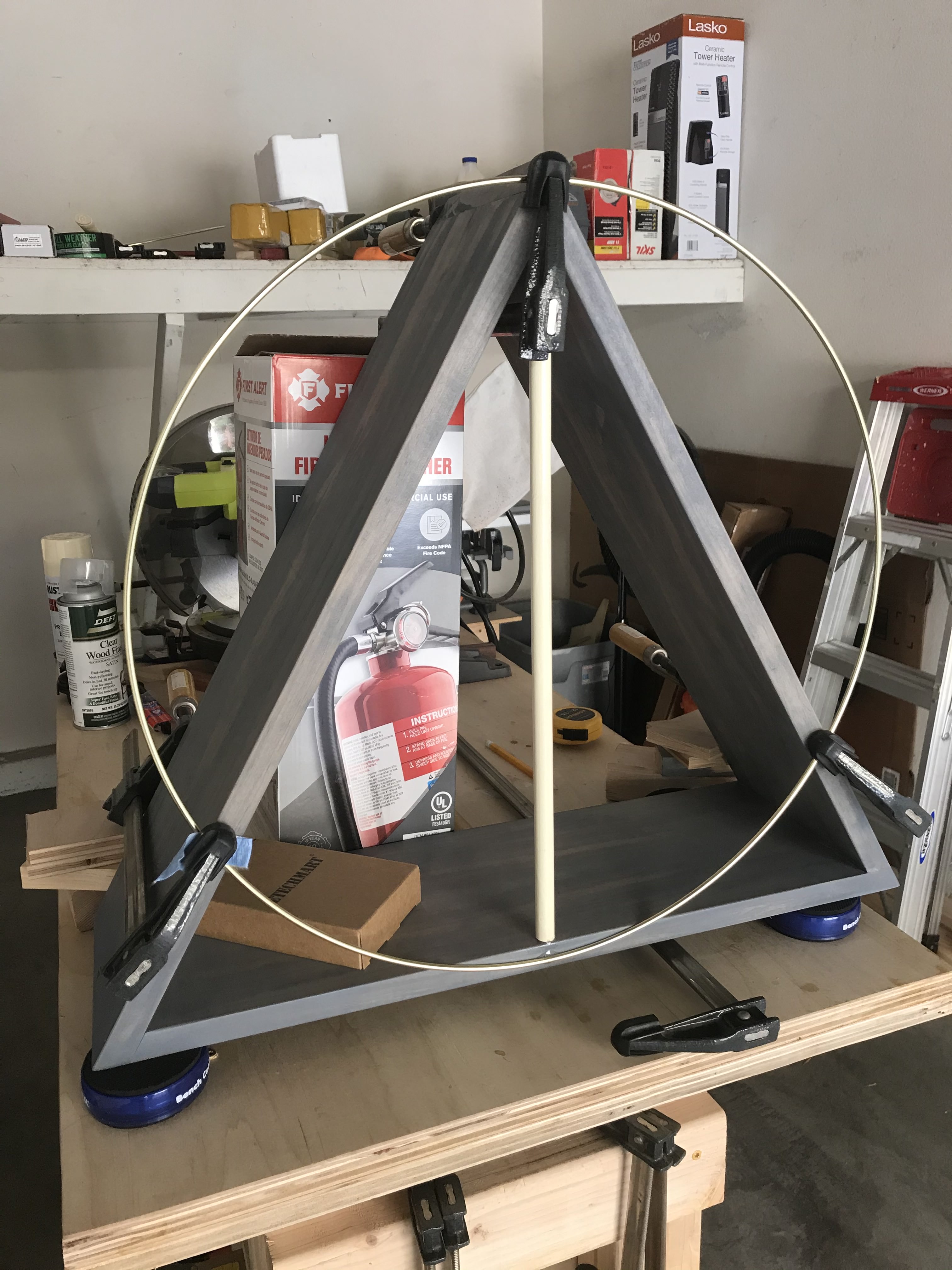
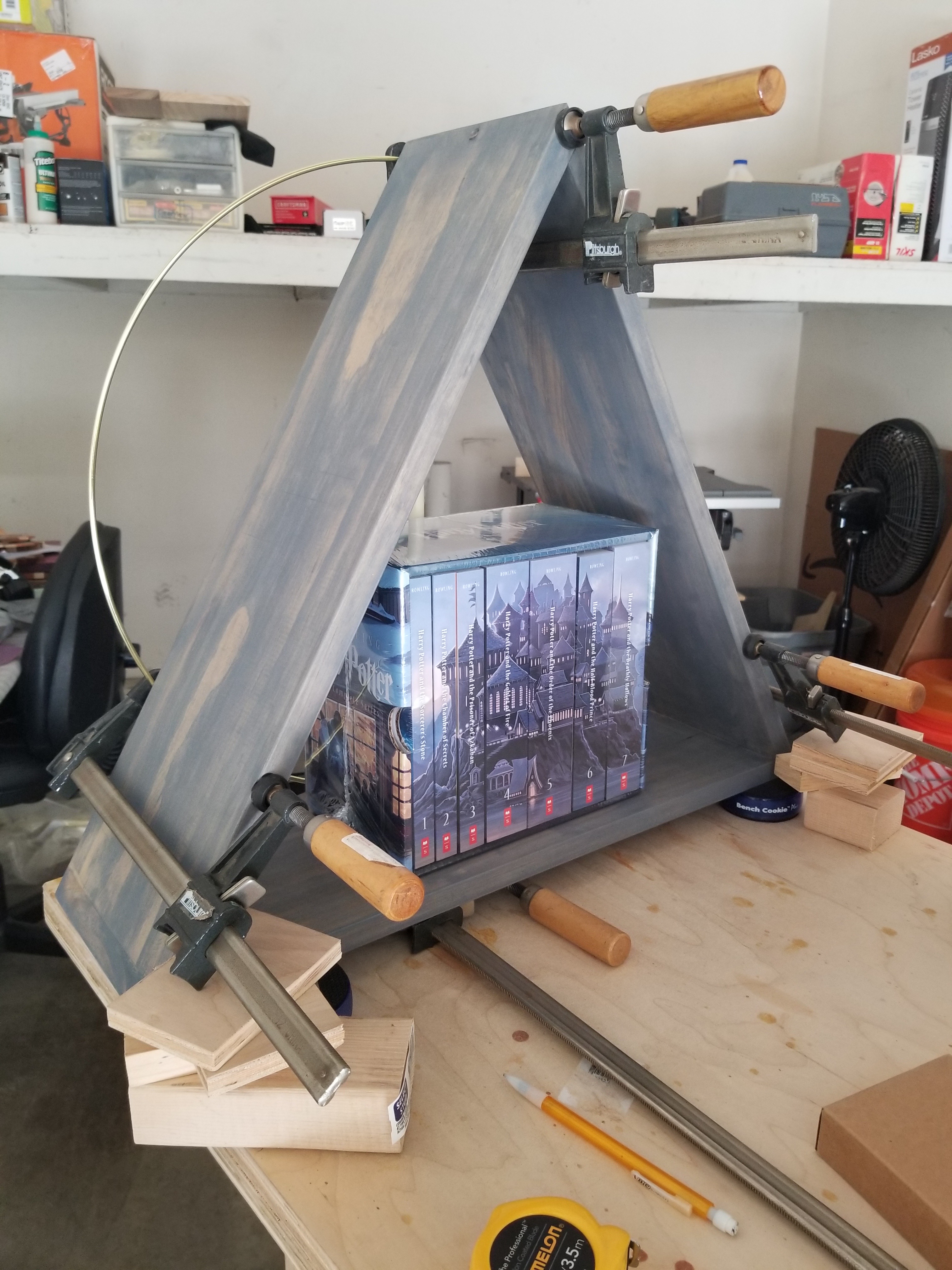
The bookshelf was a request for a baby shower gift. My shelf was gifted with a wizard book set for the baby’s nursery. I made an equilateral triangle and made sure that the book set could fit nicely on the shelf with enough clearance at the top corners. This project involved some fun geometry and marked my first use of my new table saw.
See the walkthrough below for more details on the process.

Skyline Cheeseboard

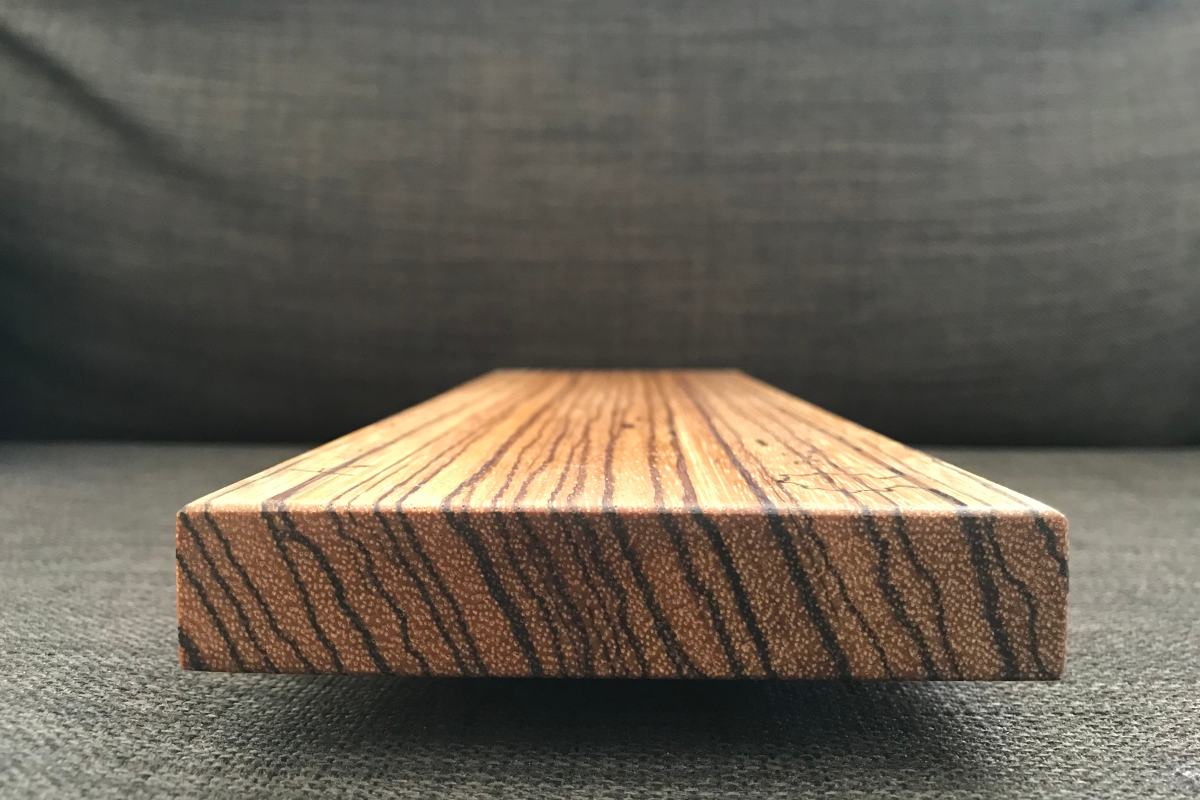
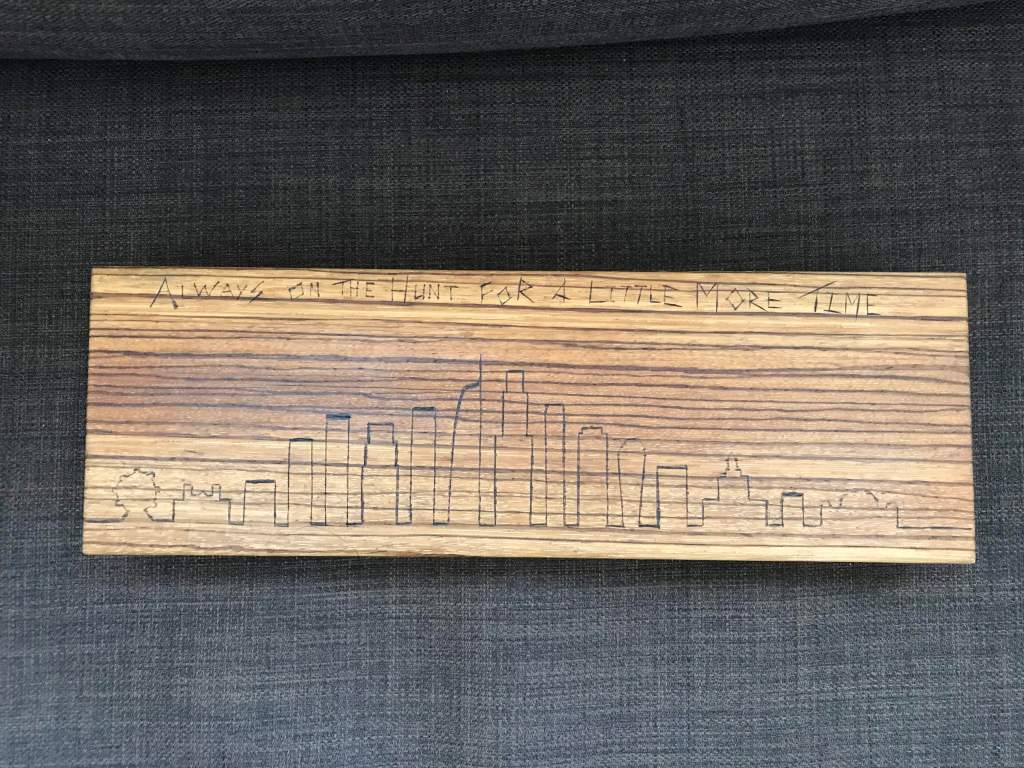
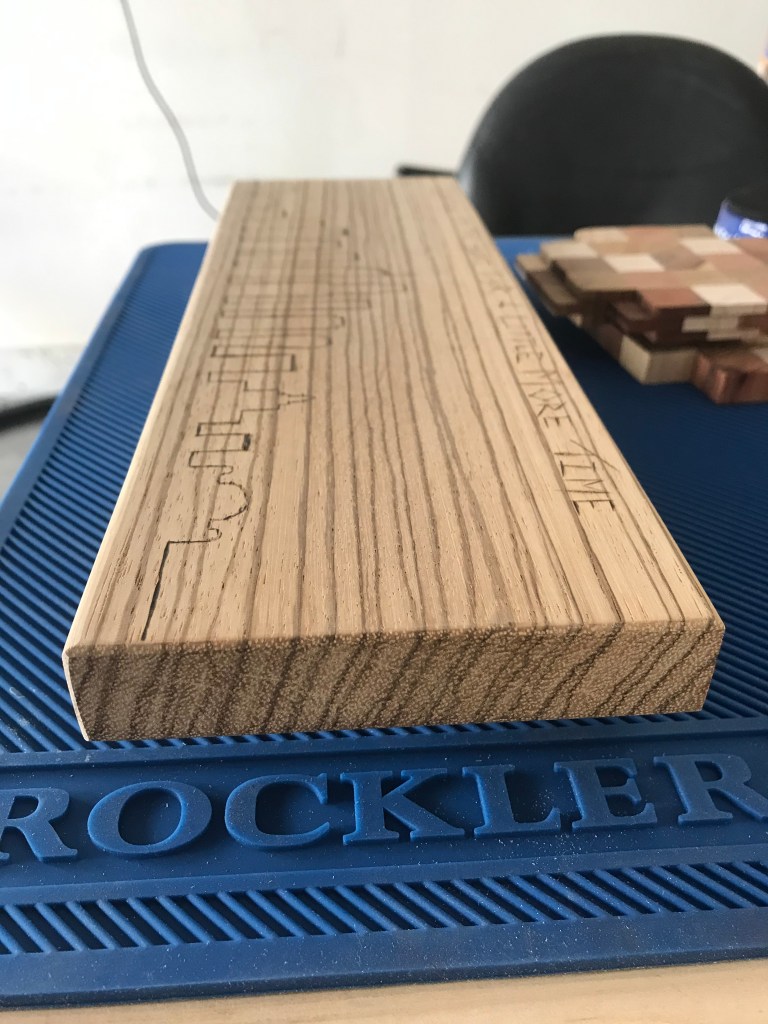
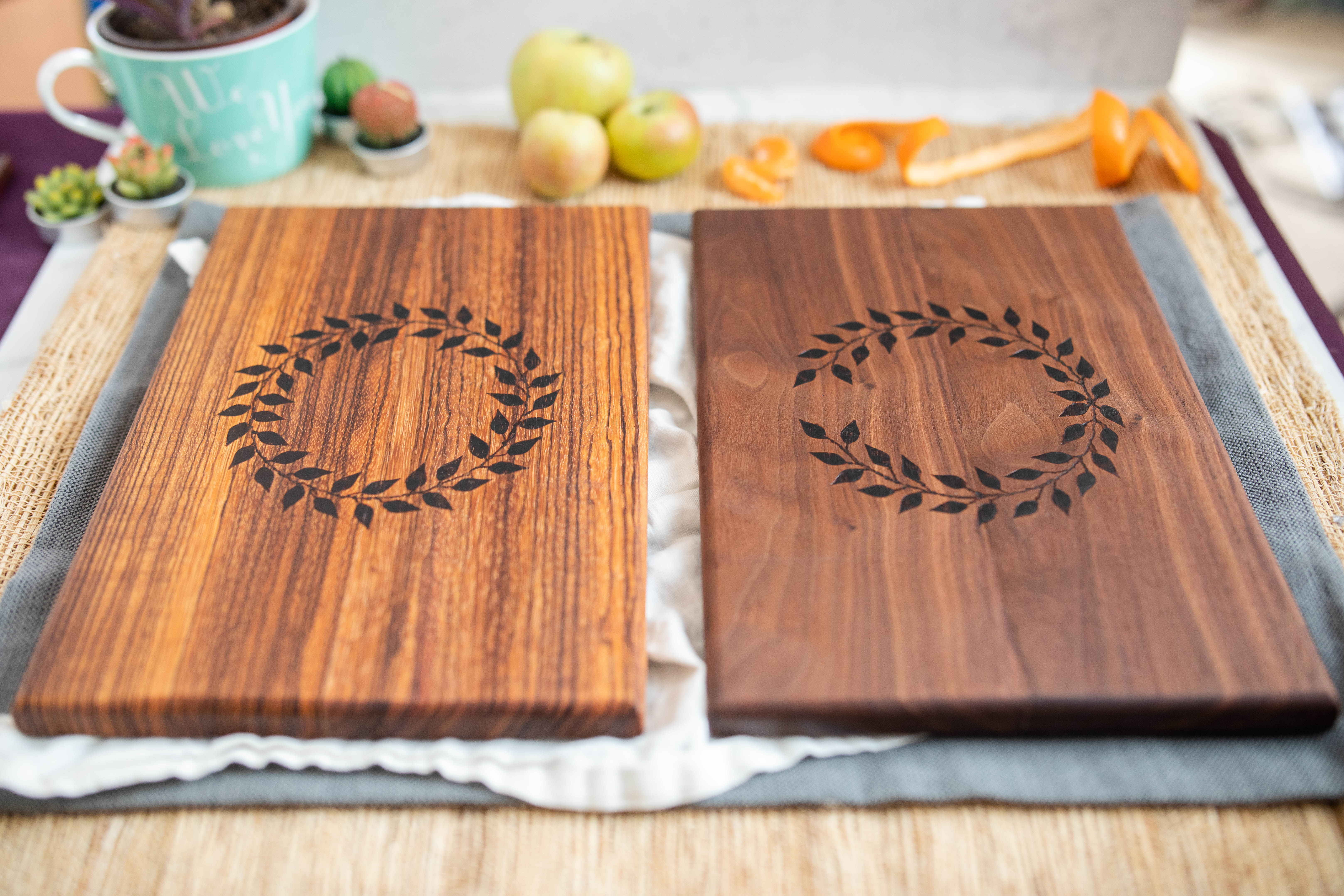
The Skyline Cheeseboard is my first endeavor into food-safe products. This project involved woodburning and learning how to finish wood with cutting board oil and conditioner, instead of the usual polys and Danish oil.

Key Rack

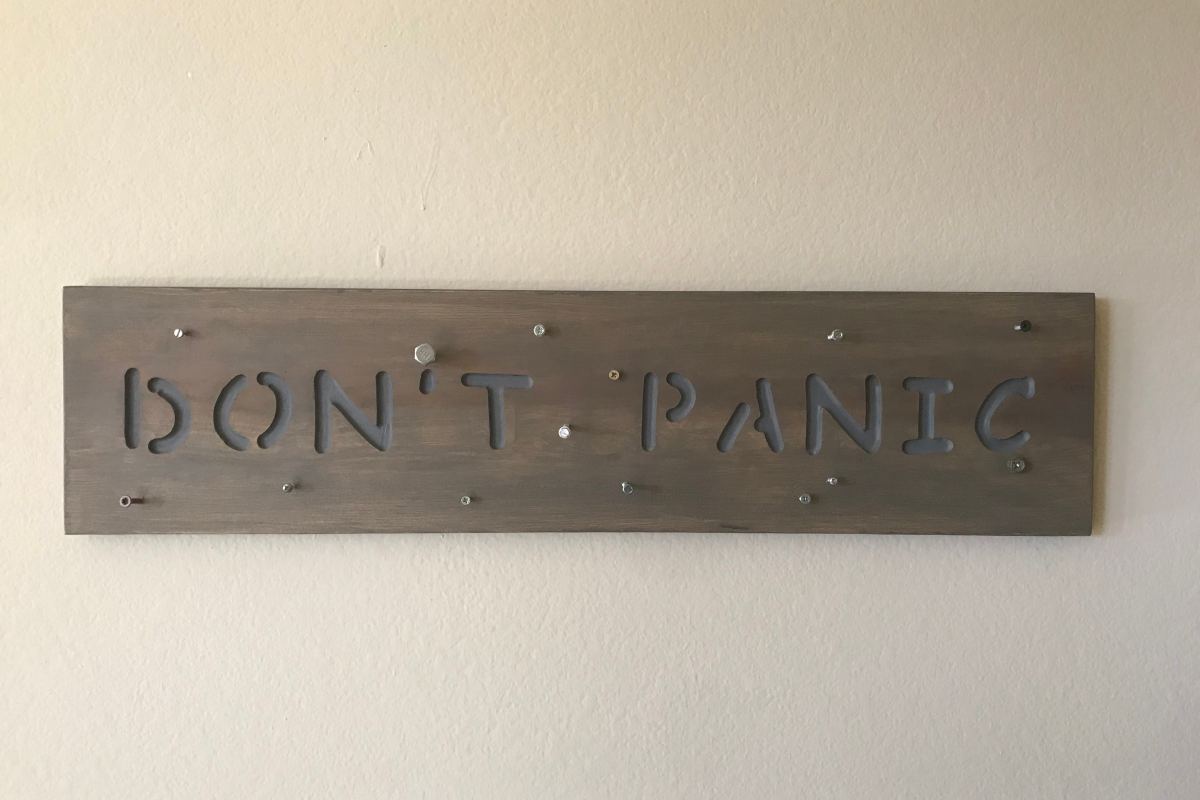
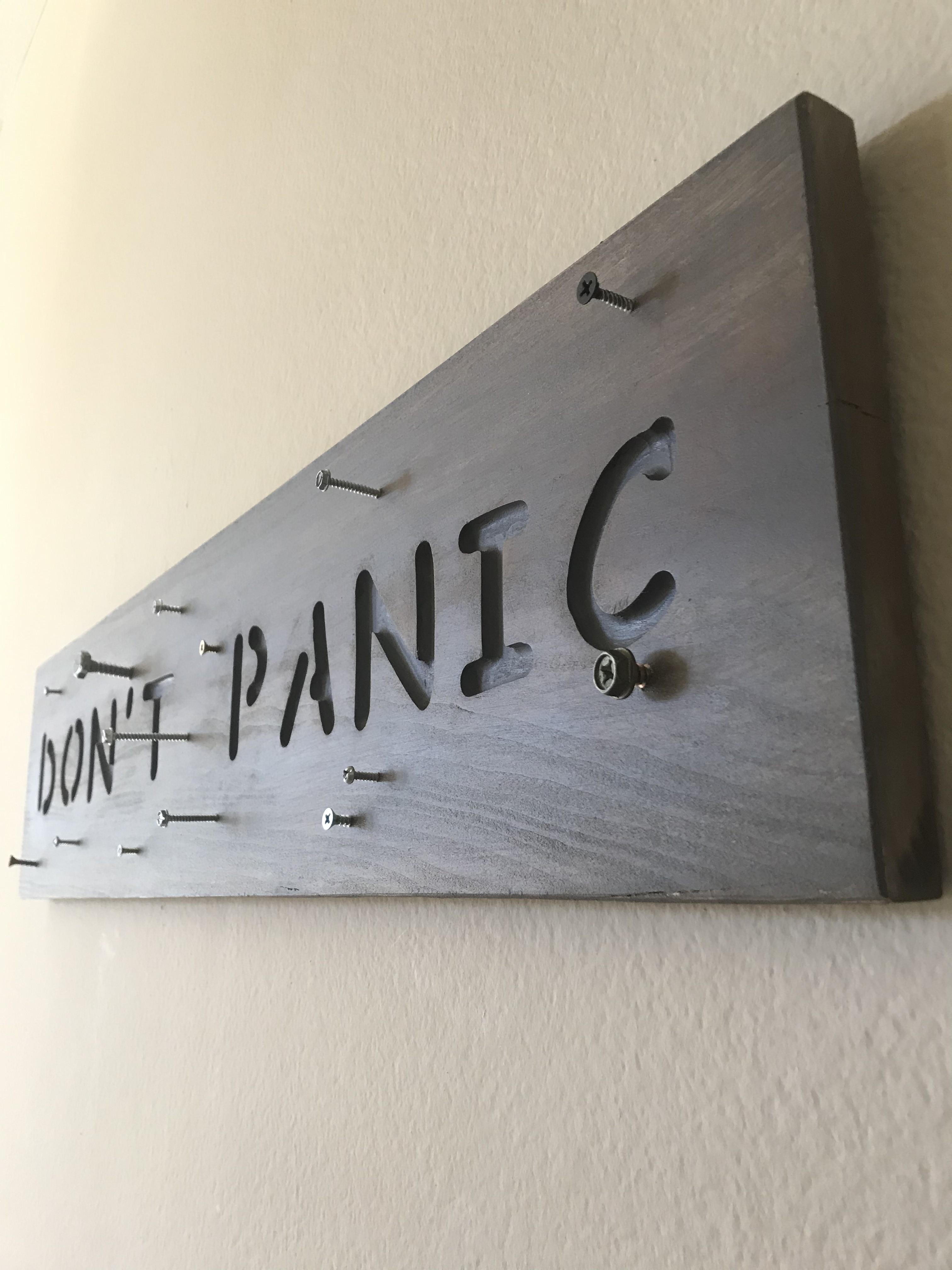
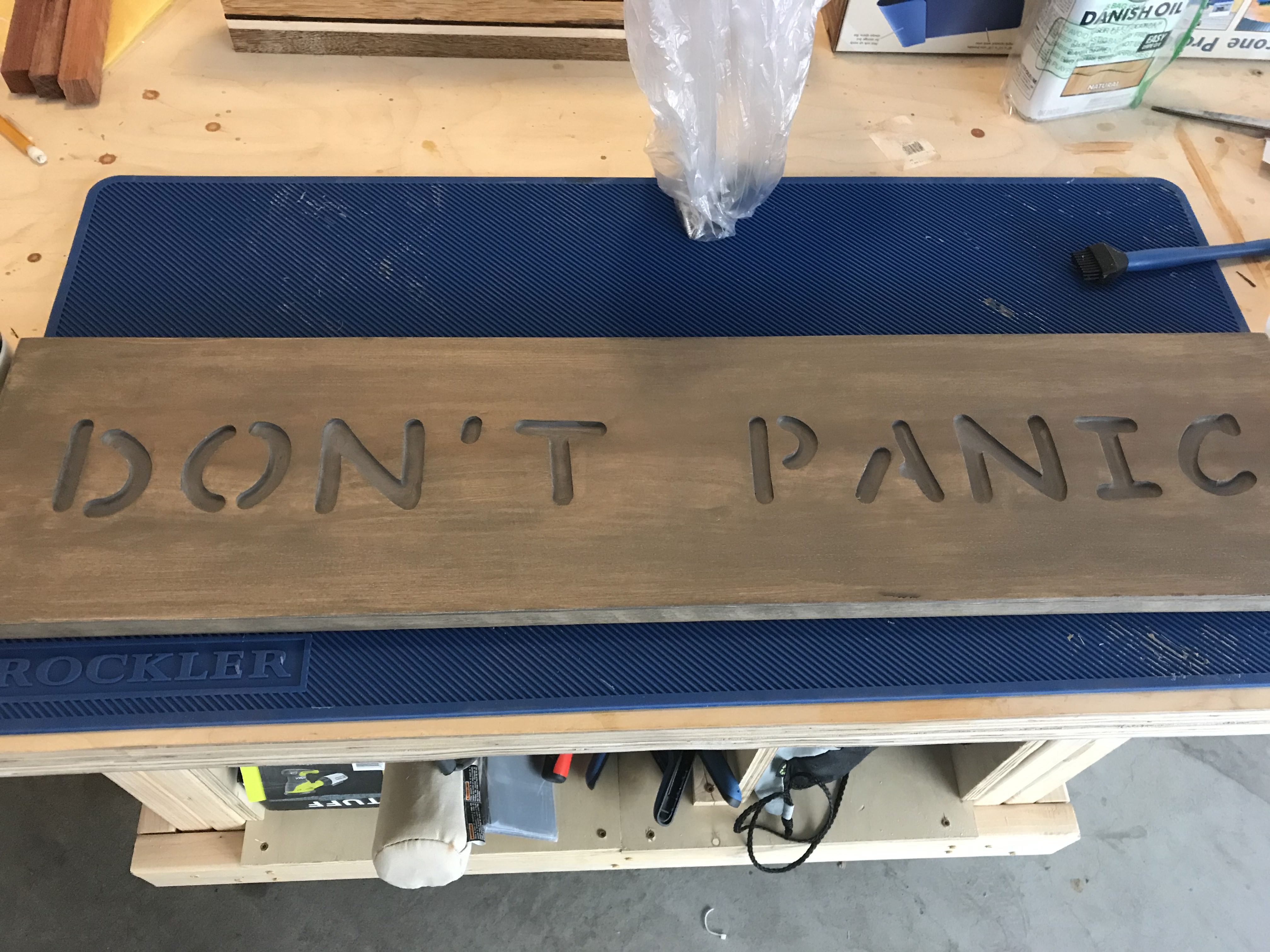
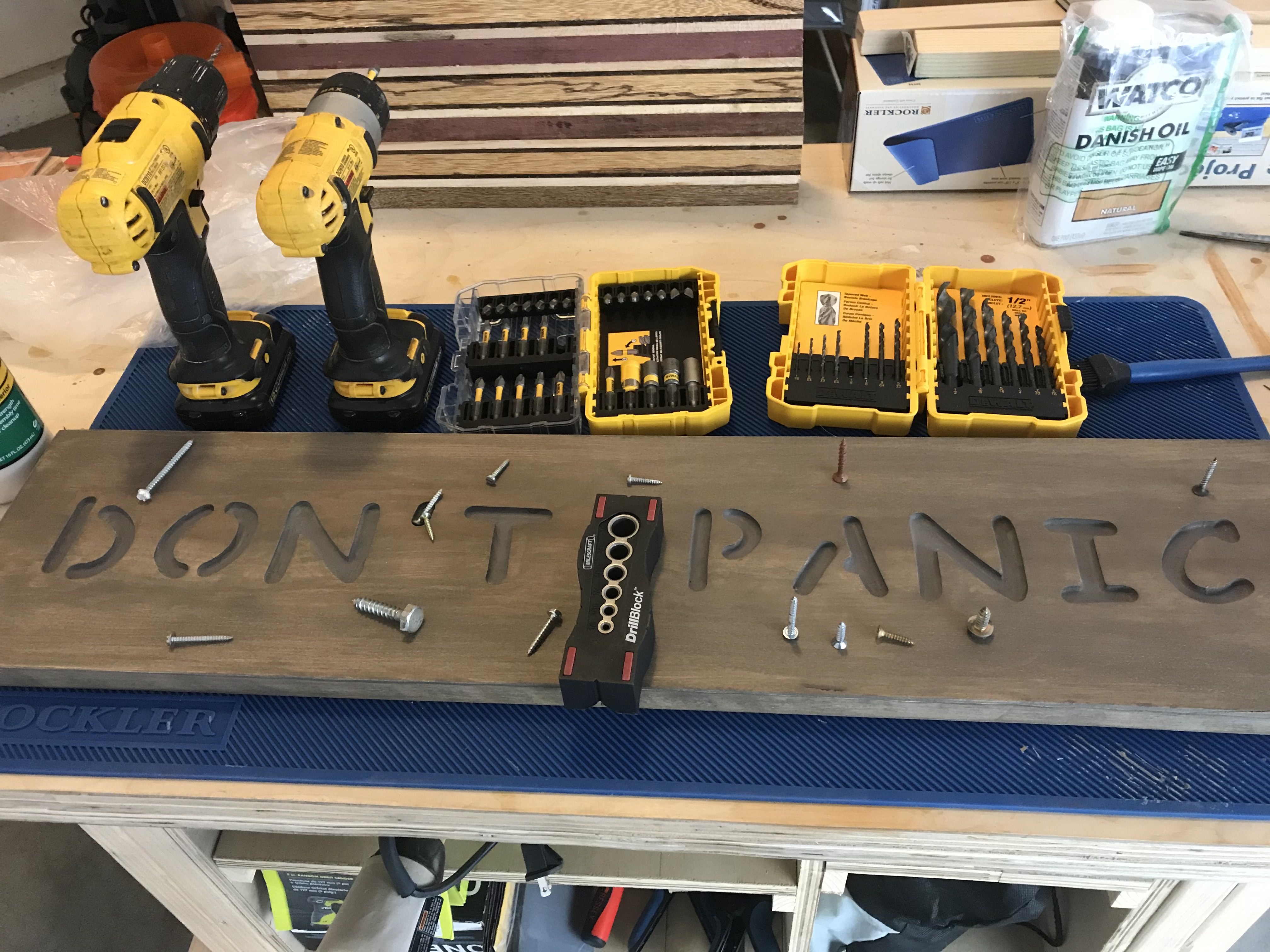
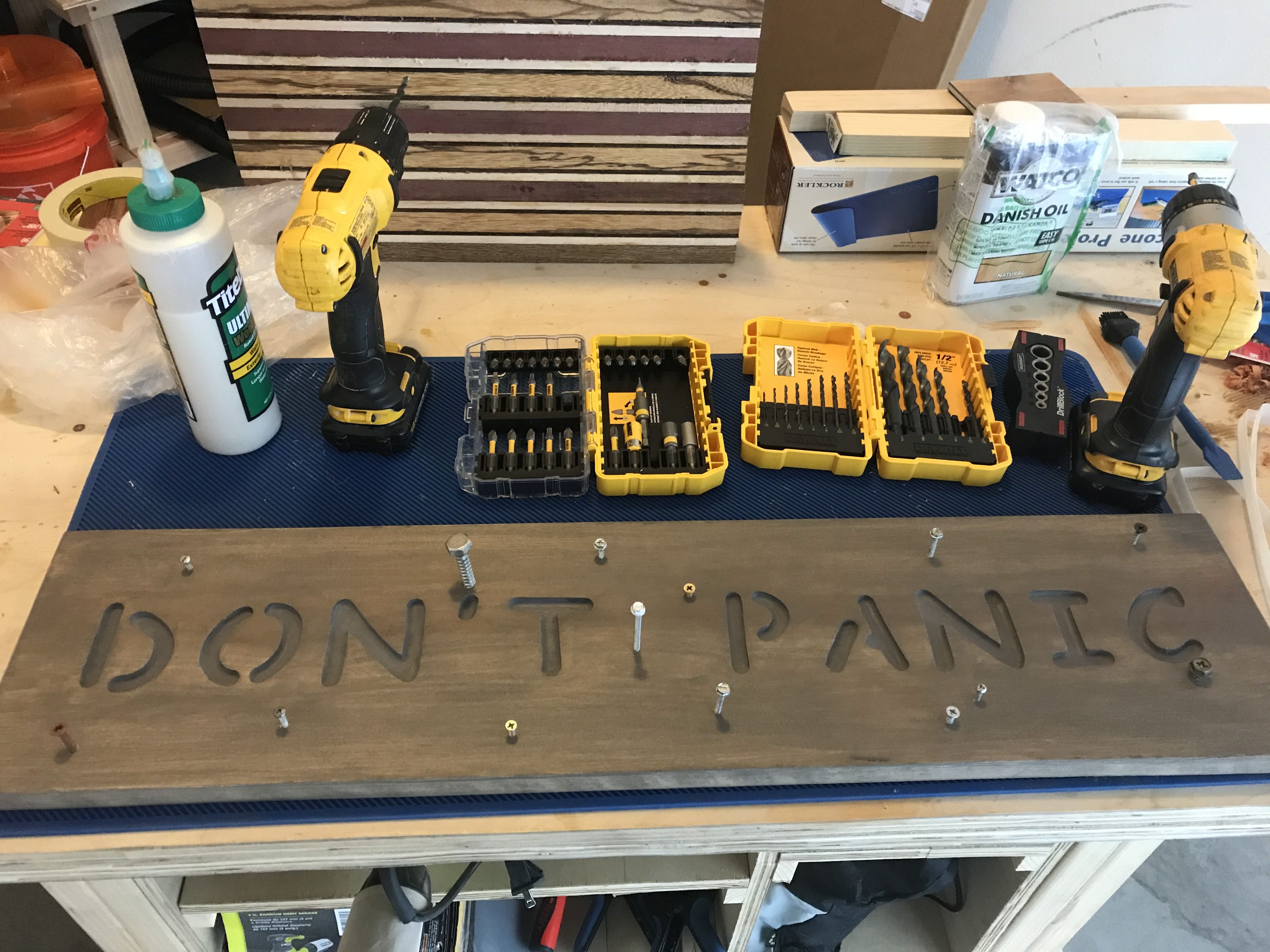
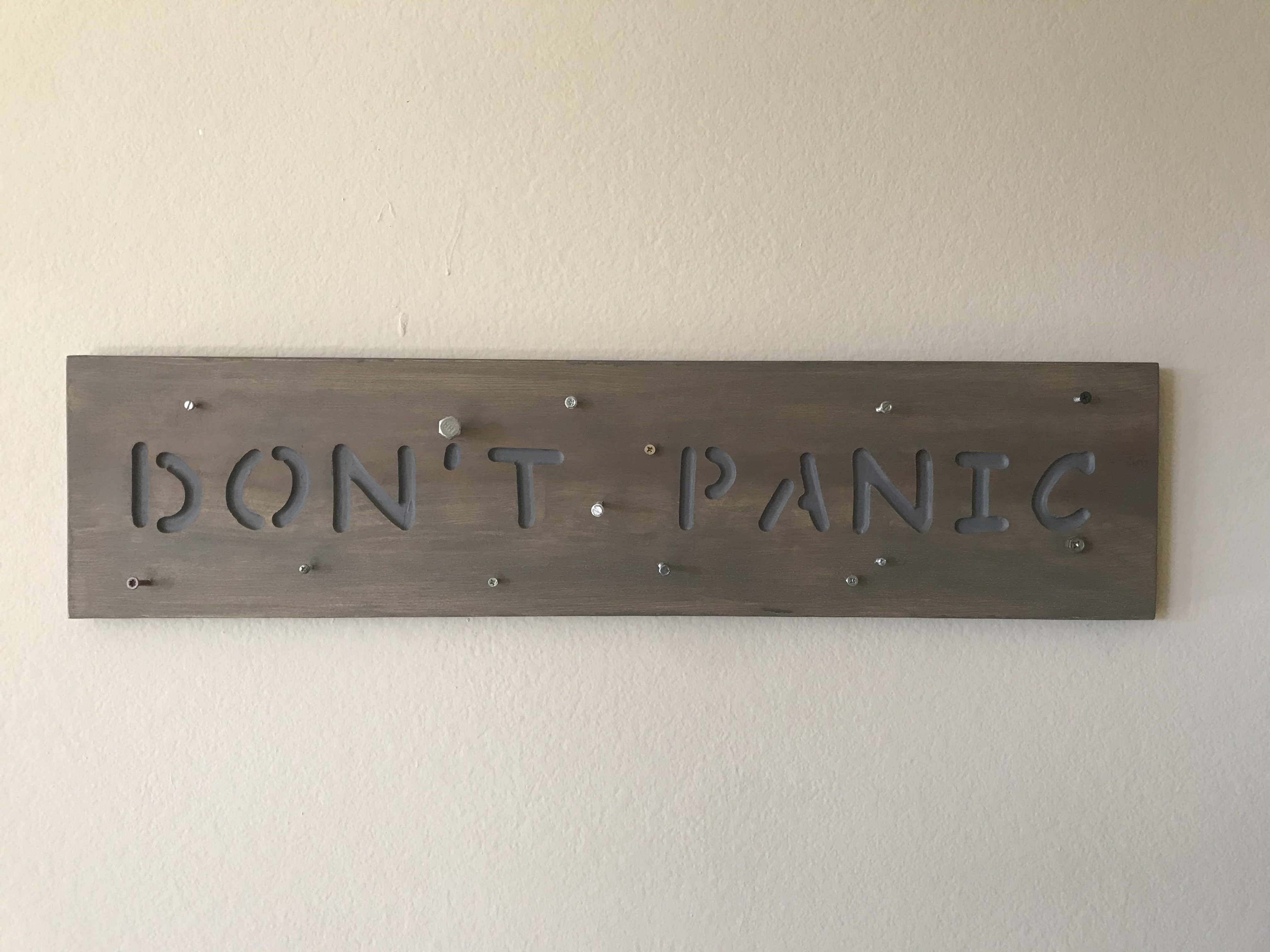
This key rack was a way to repurpose an old project. I attended a router workshop 2 years ago, where we learned how to make word signs with routers and letter templates. After bringing it home, I stained it grey, and left it on a shelf until my old key rack broke. I asked my dad for any old nails and screws in his garage, and got to work on this art piece. See the slideshow below for more info on this build.

Walnut Lap Desk

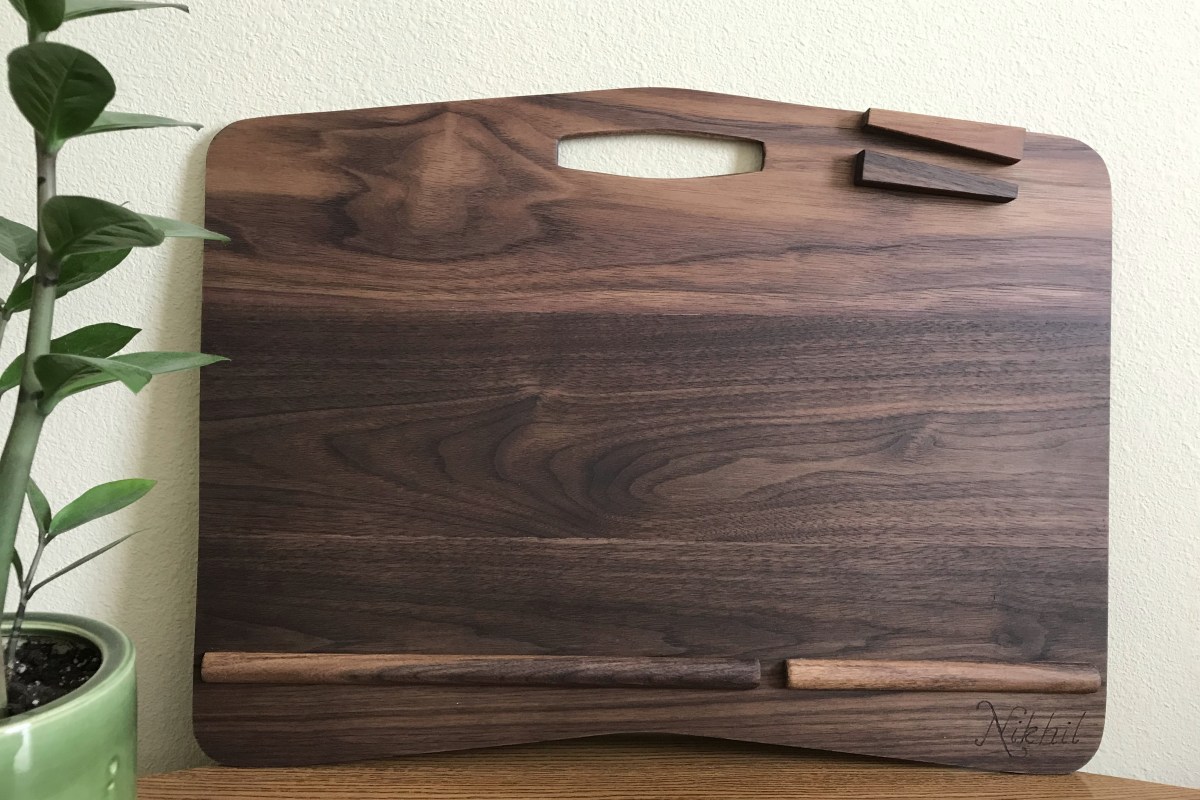
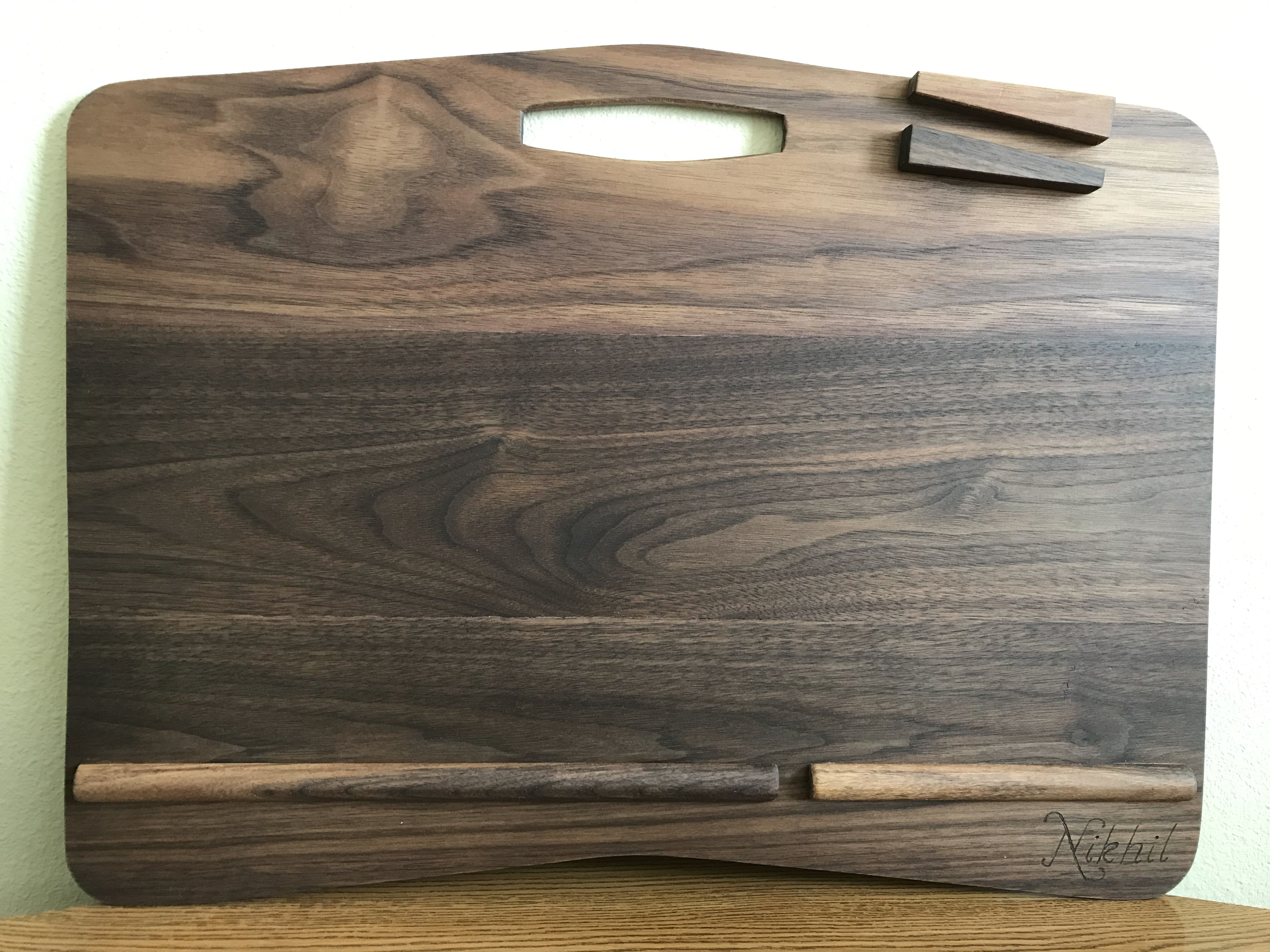
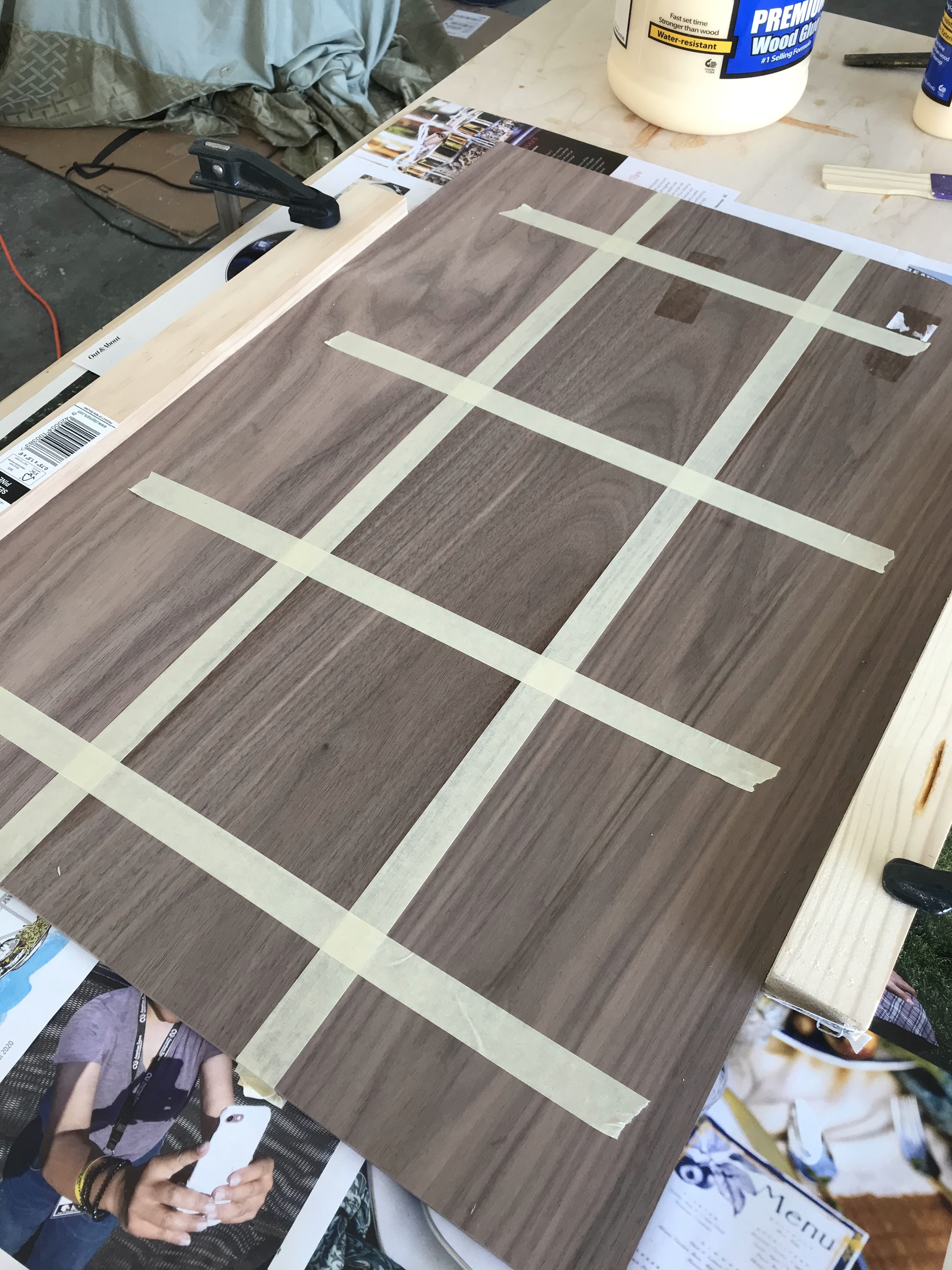
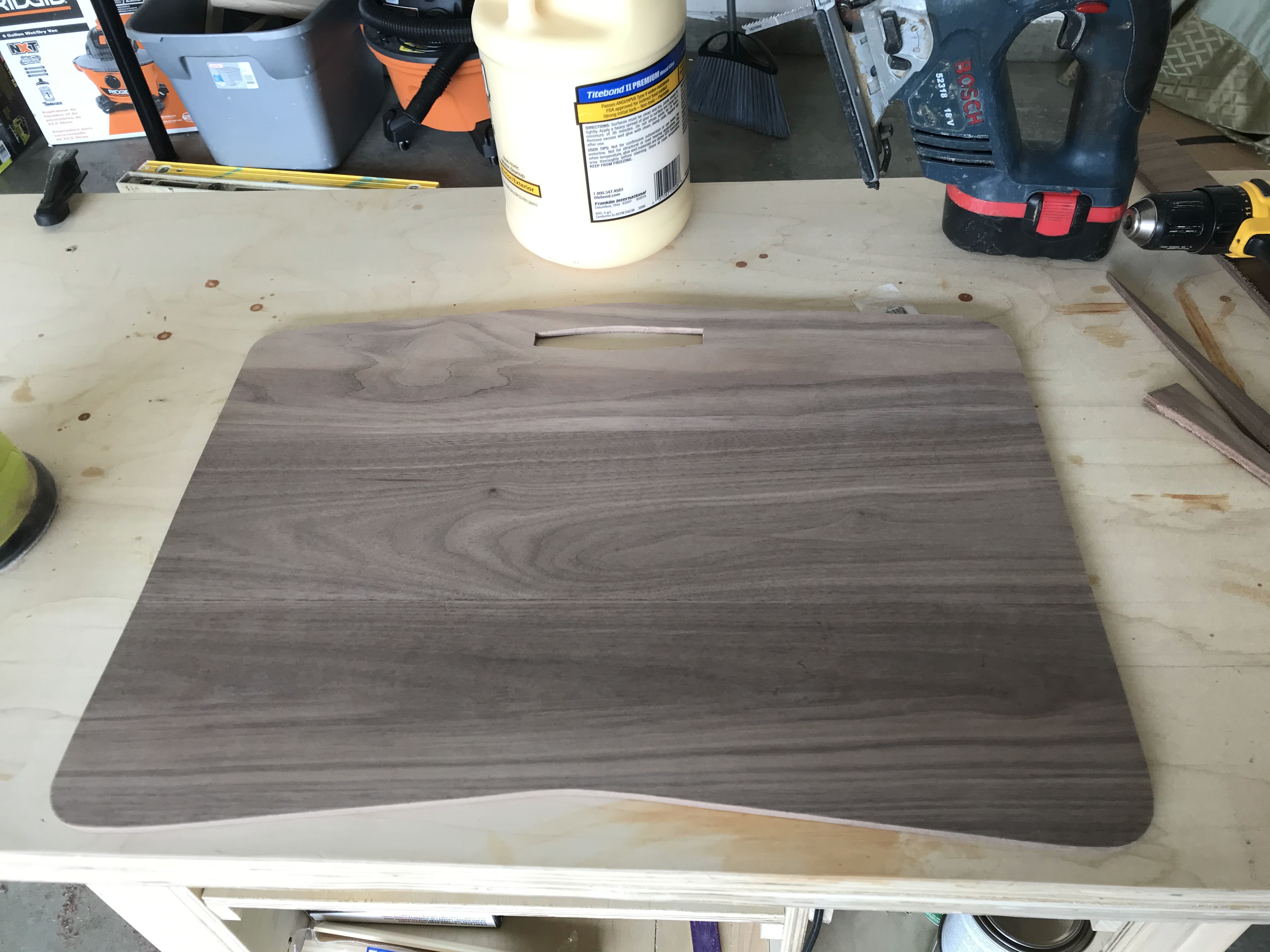
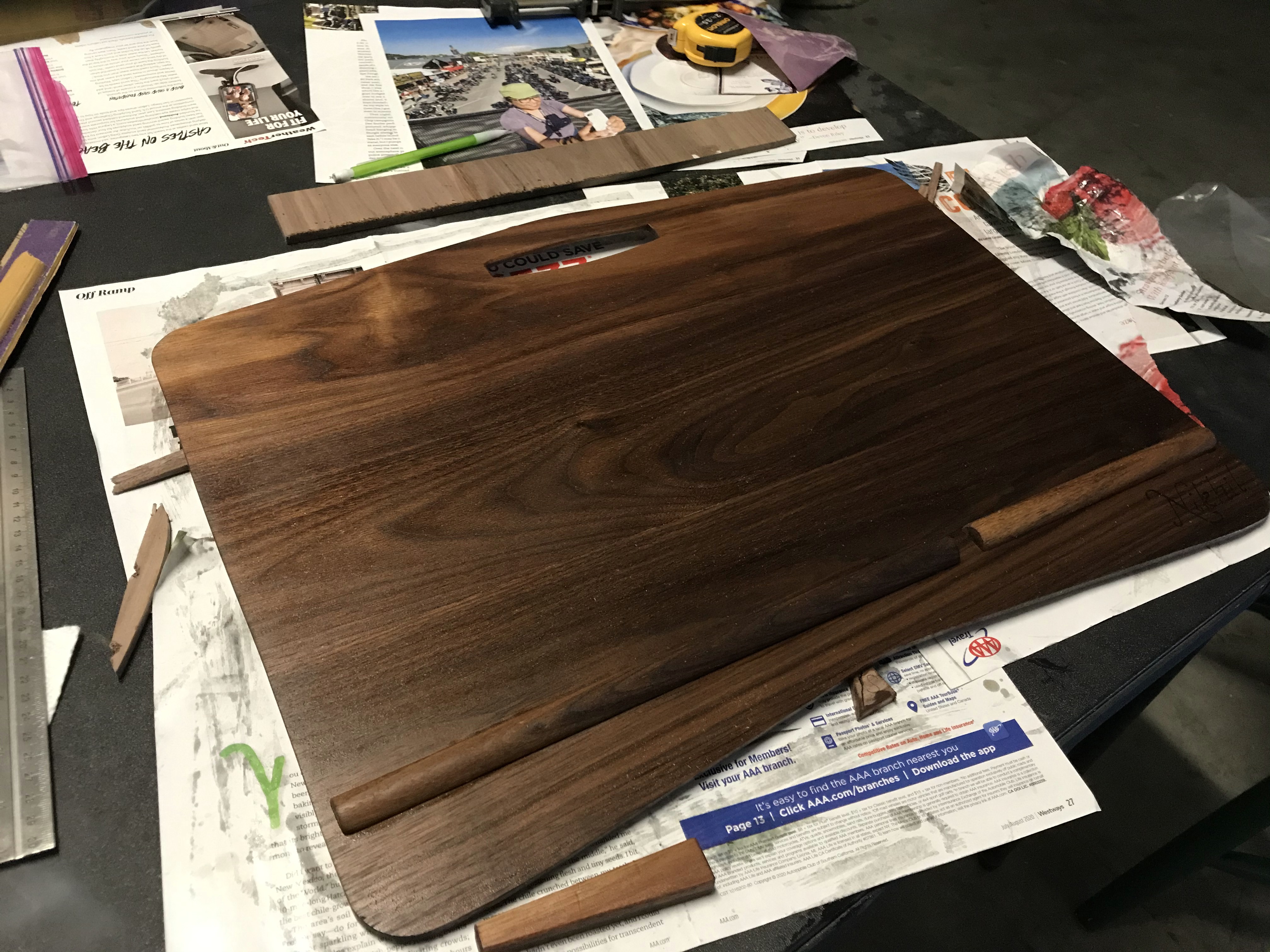
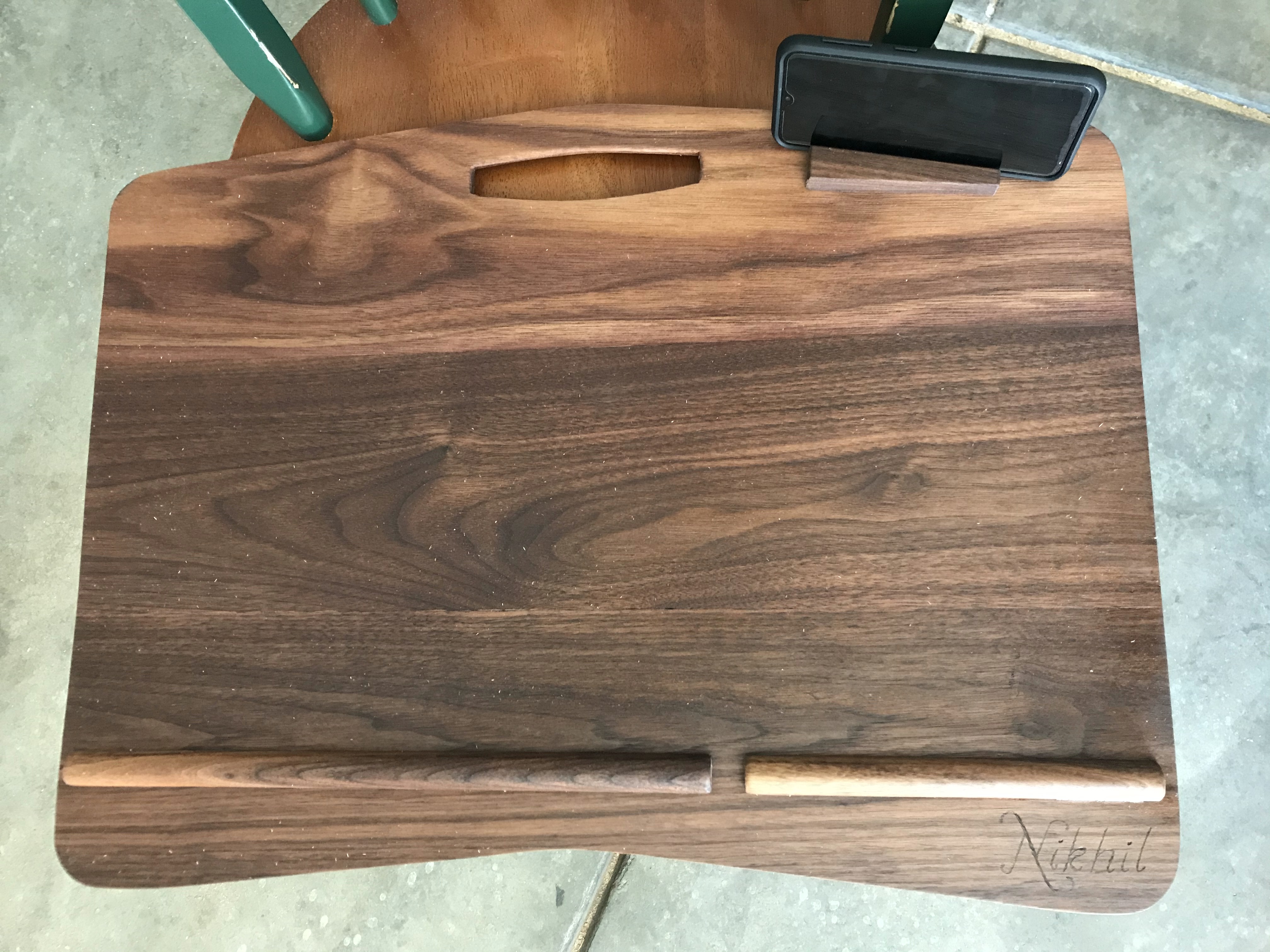
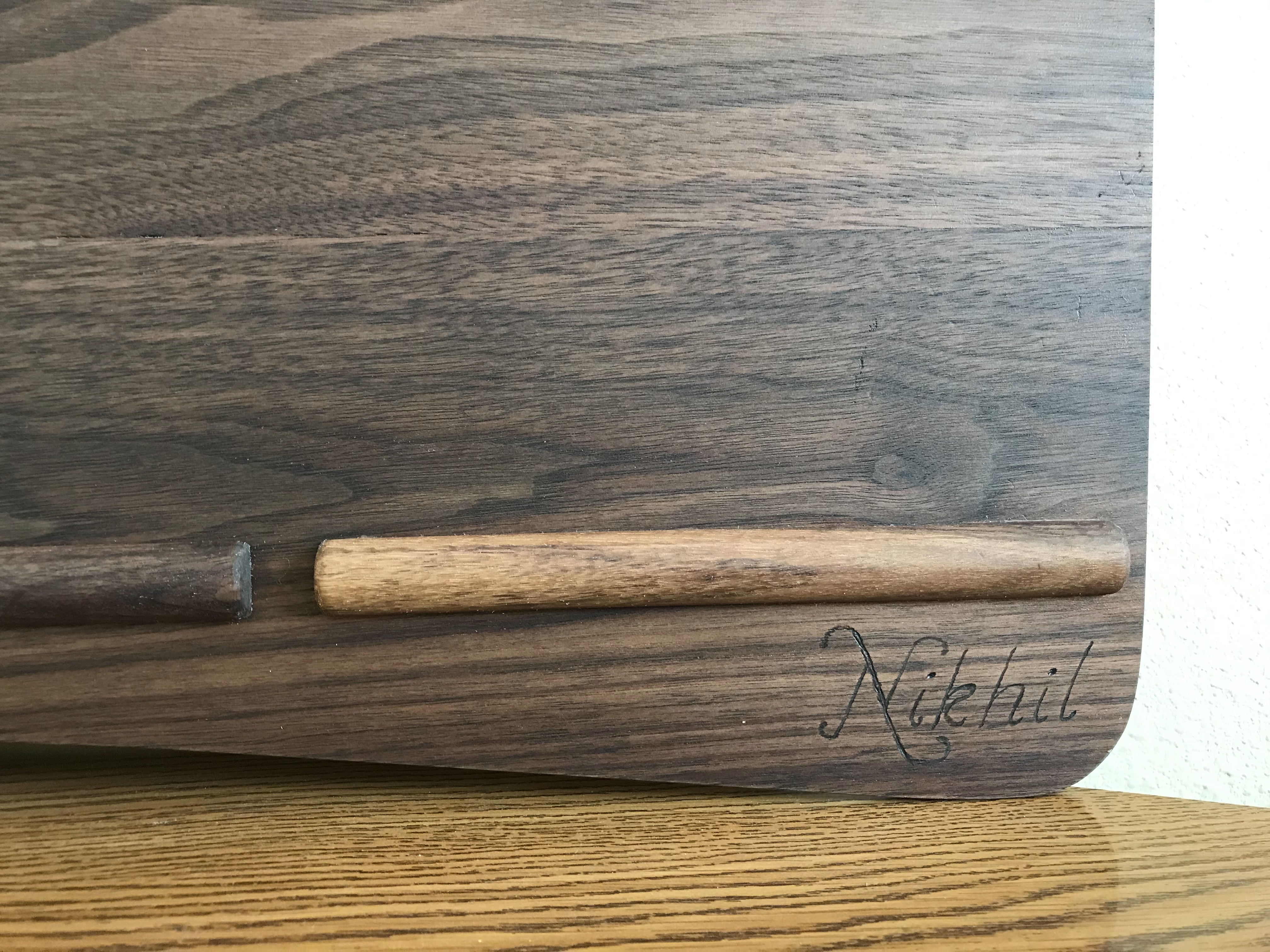
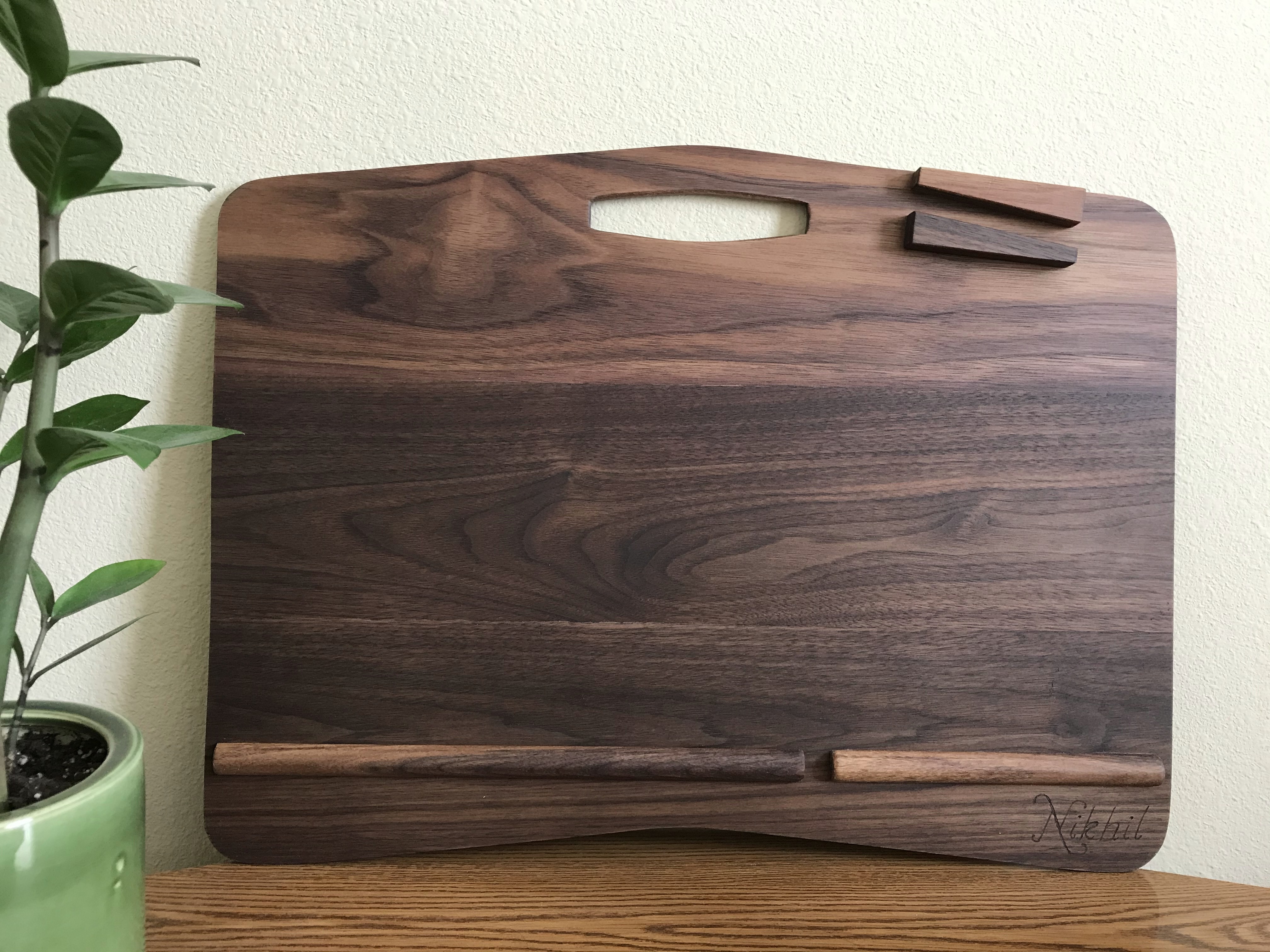
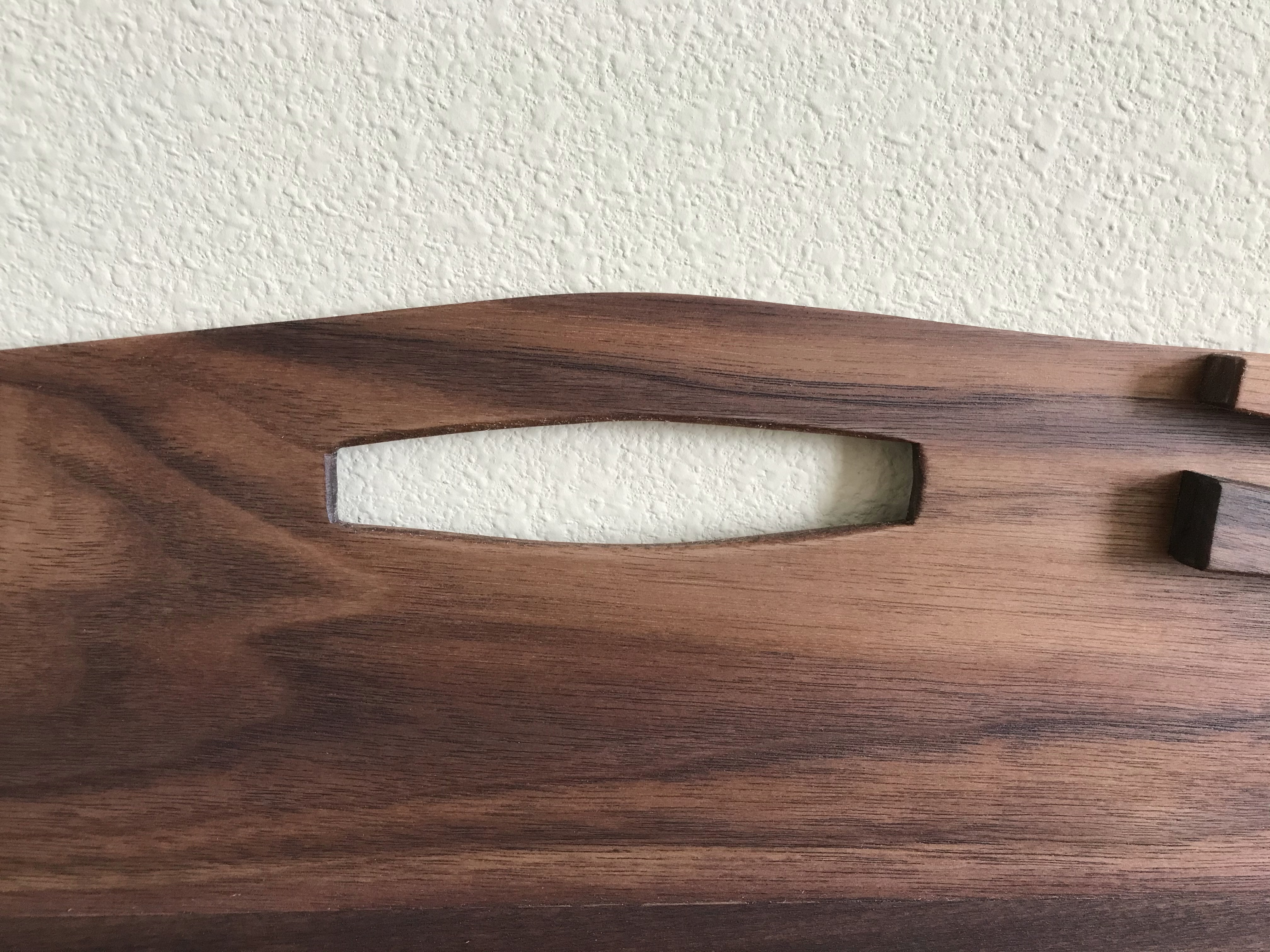
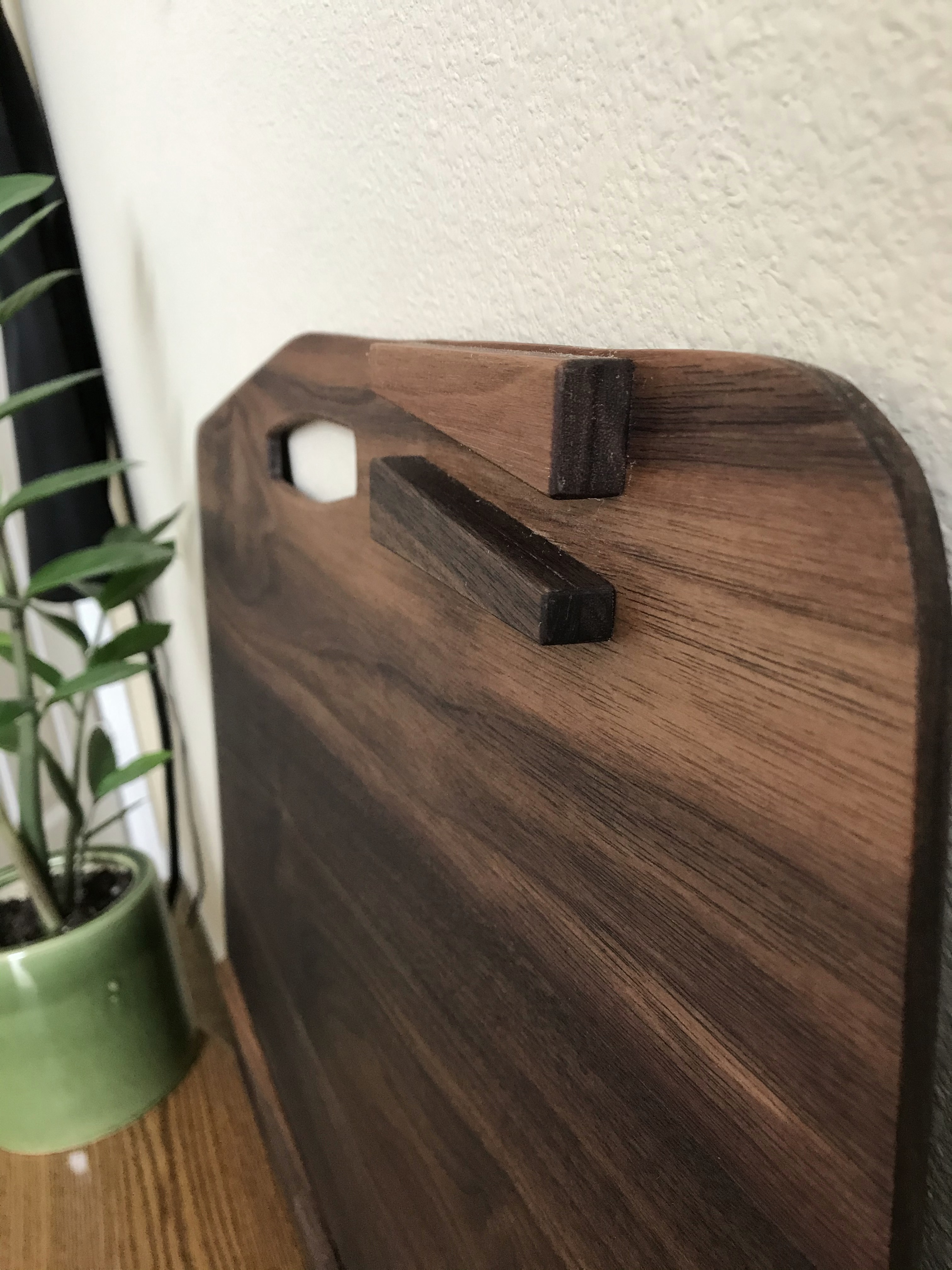
The walnut lap desk was my first experience creating a product without a plan. Each feature was designed on the spot. I gave it a surface area that would hold a laptop and small notepad, designed the shape of it to be geometric and curve around the body, and added a phone stand and wrist bumper to keep items in place. The grain layout gave it character, while the oil finish brought out a classic dark look. It was a strong, sleek, beautiful build from start to finish.

See the slides below to learn more about the build.

Finished Product

Floating Plant Shelves

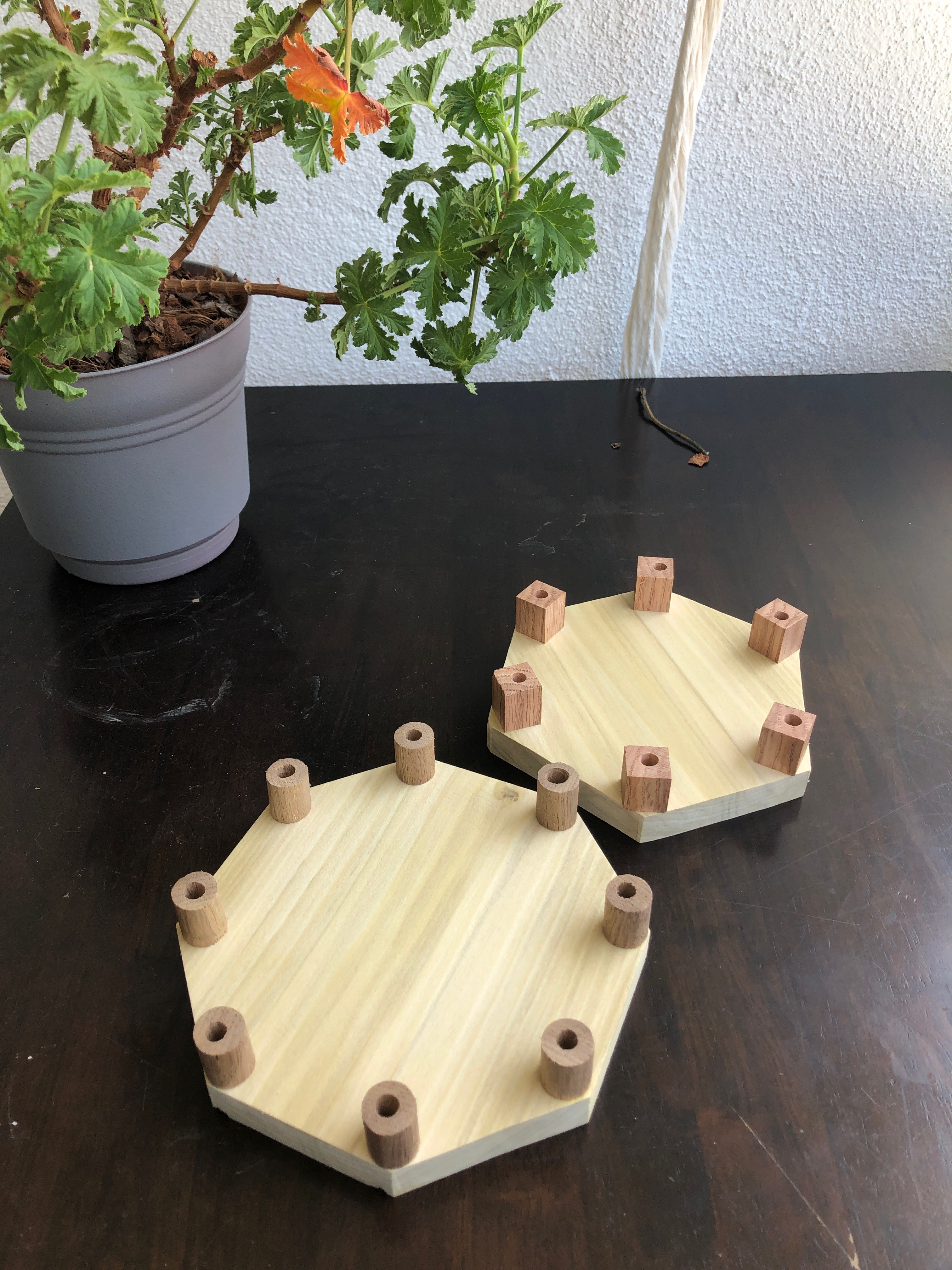
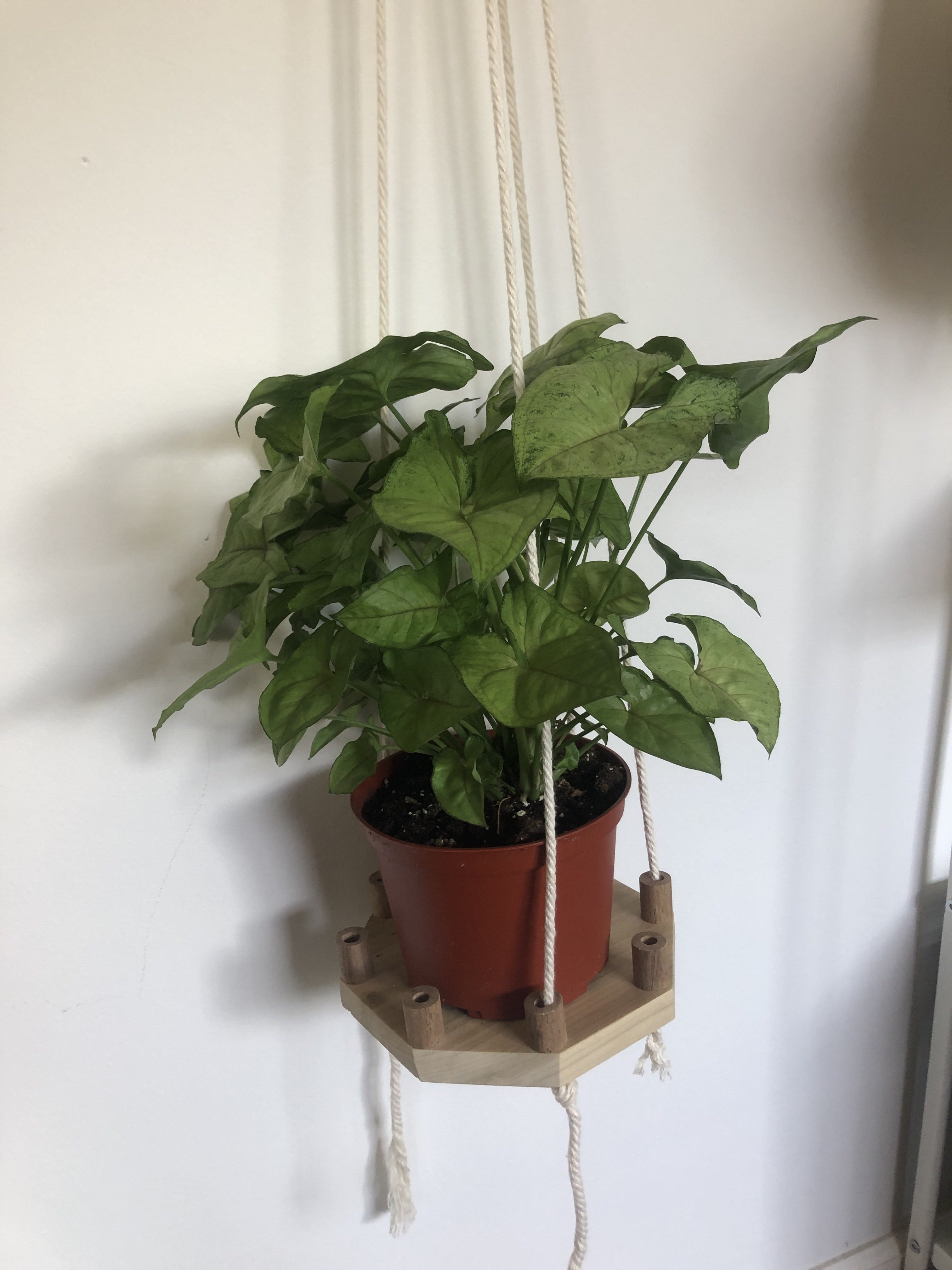
The floating plant shelves were a fun project I made to gift to a friend who loves plants. This one was an original design using scraps in my shop. I love the way this project turned out! They’re geometric, chaotic, and colorful.

See the walk-through below to learn about the process.

Basic Mobile Workbench

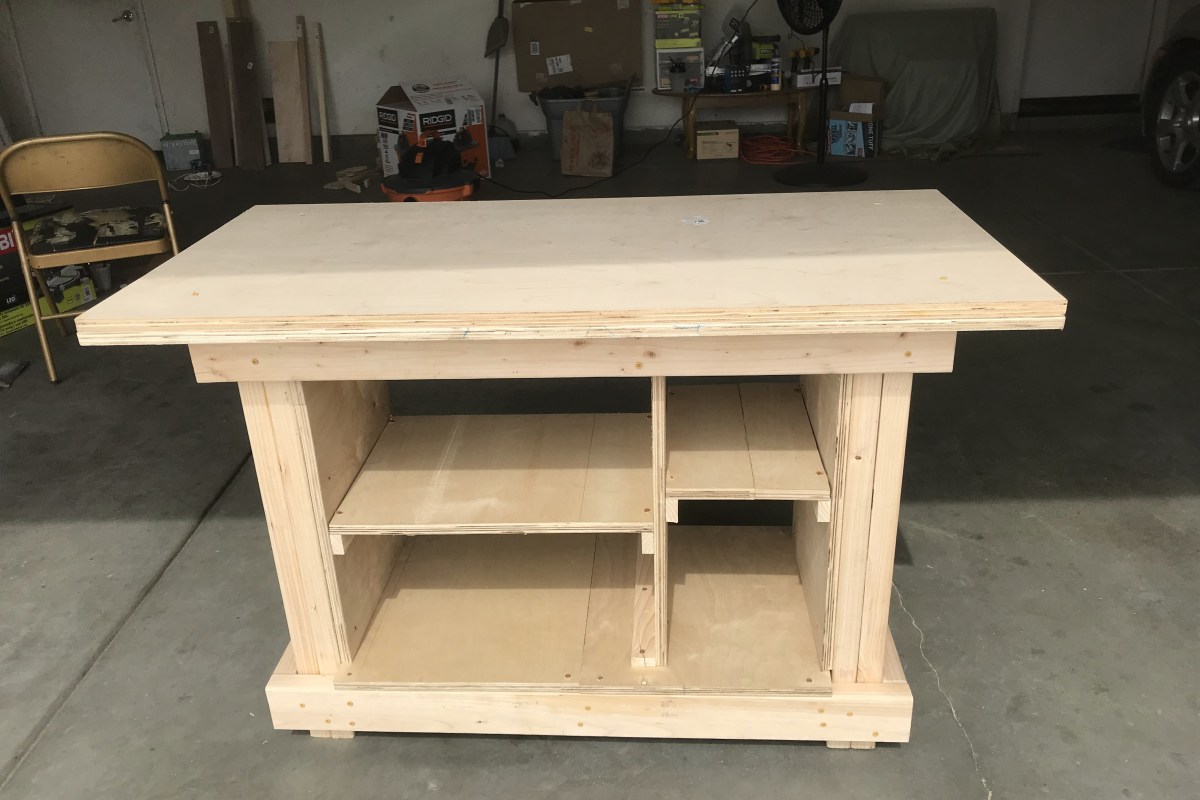
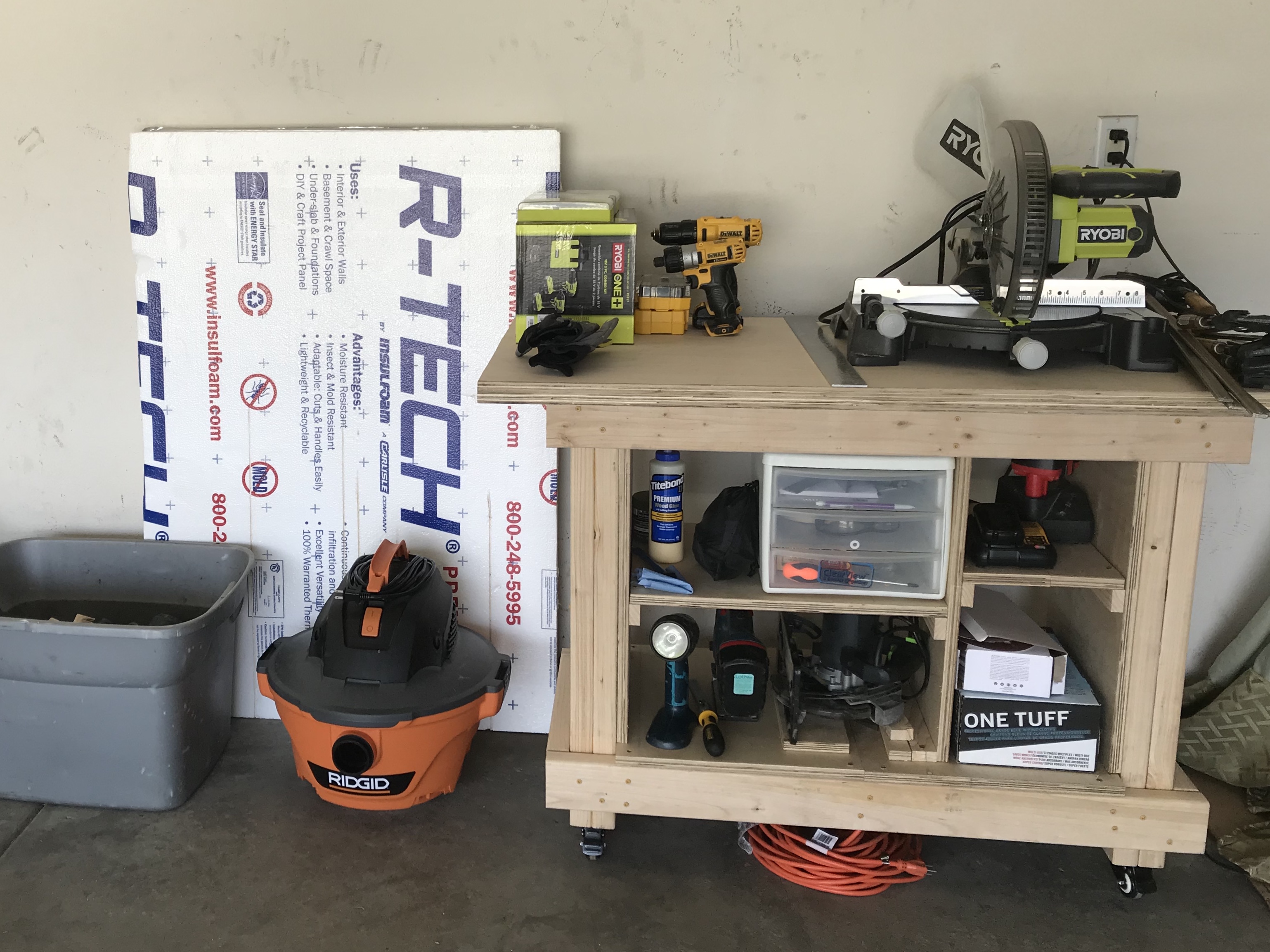
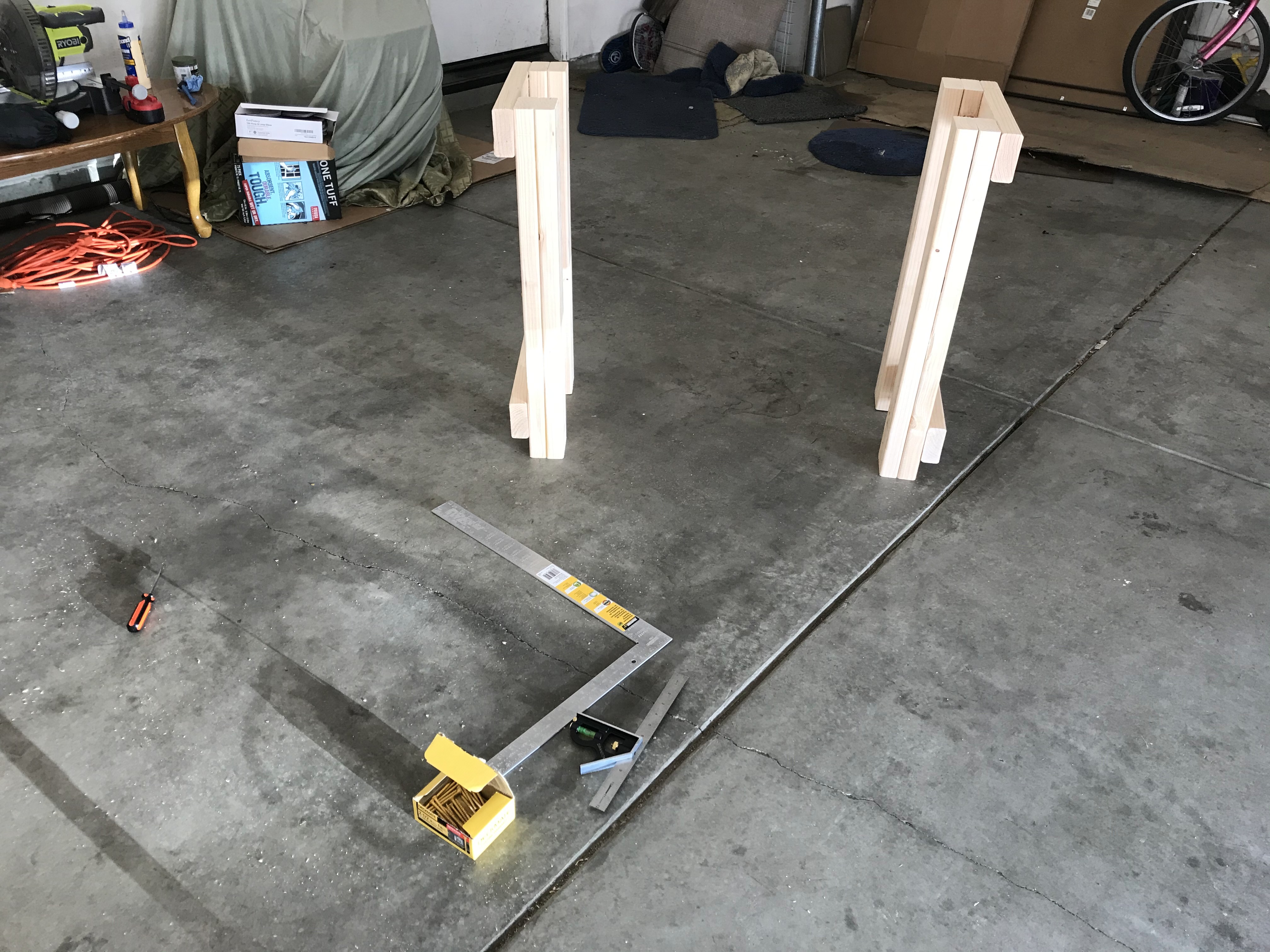
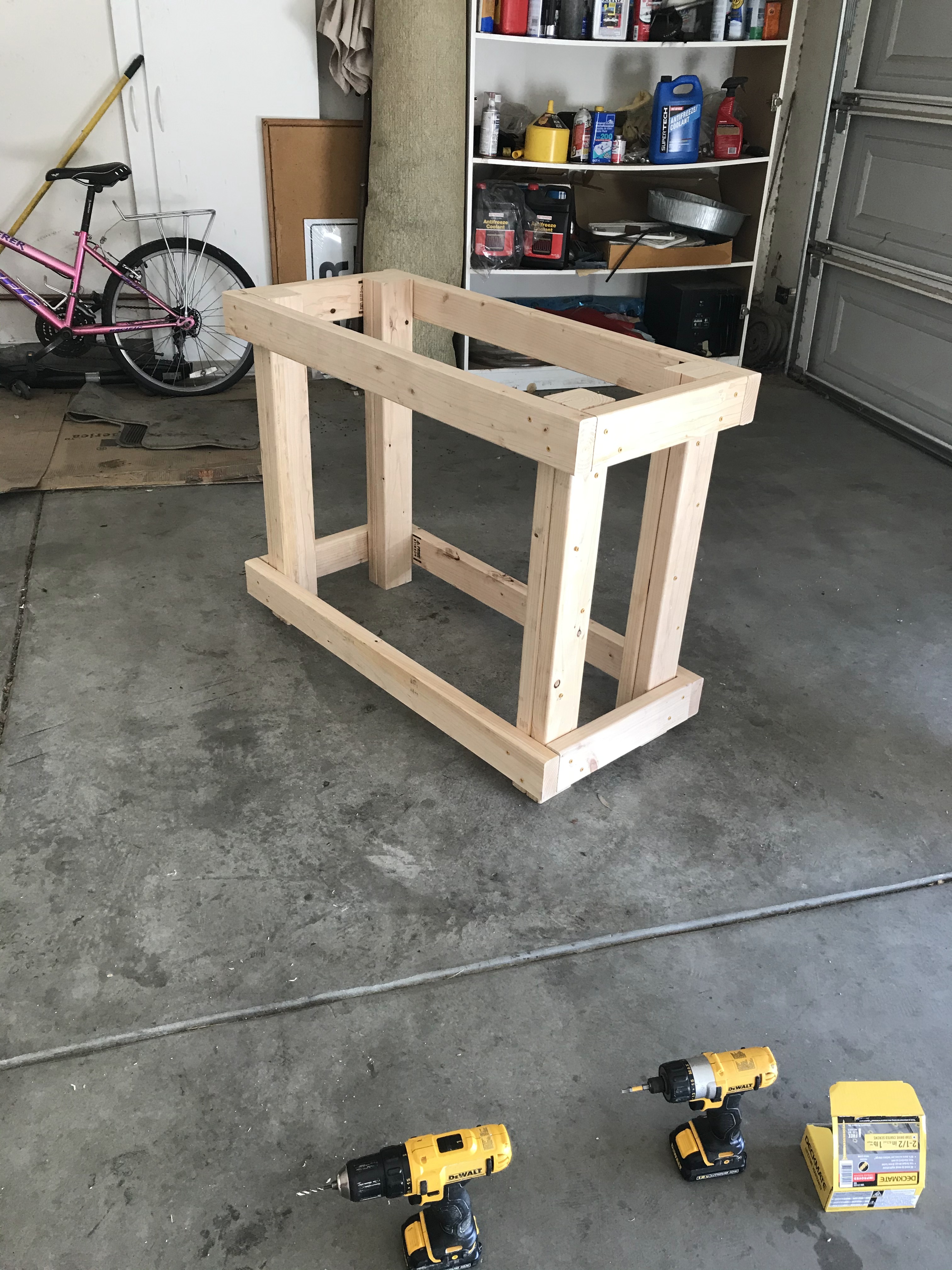
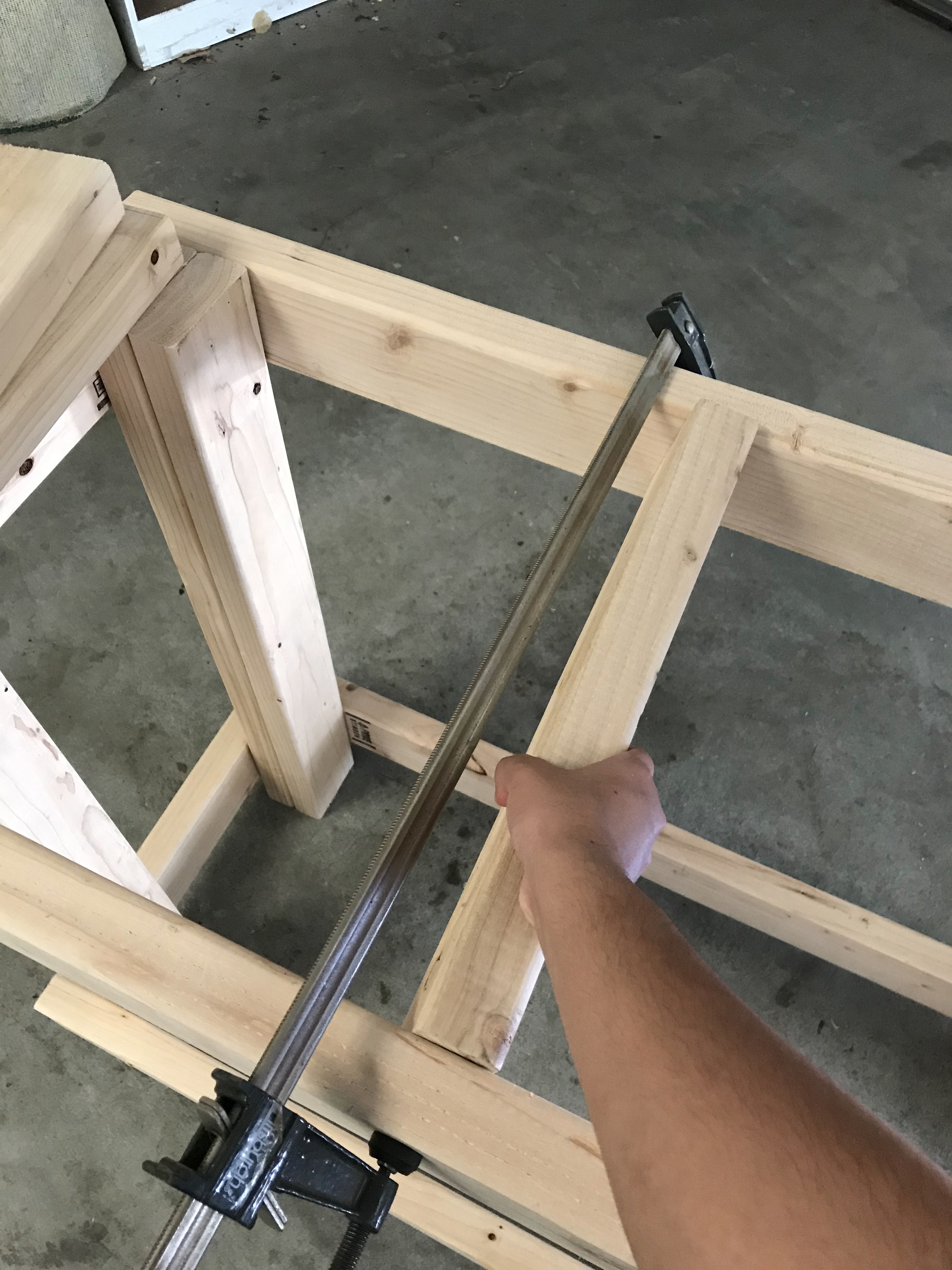
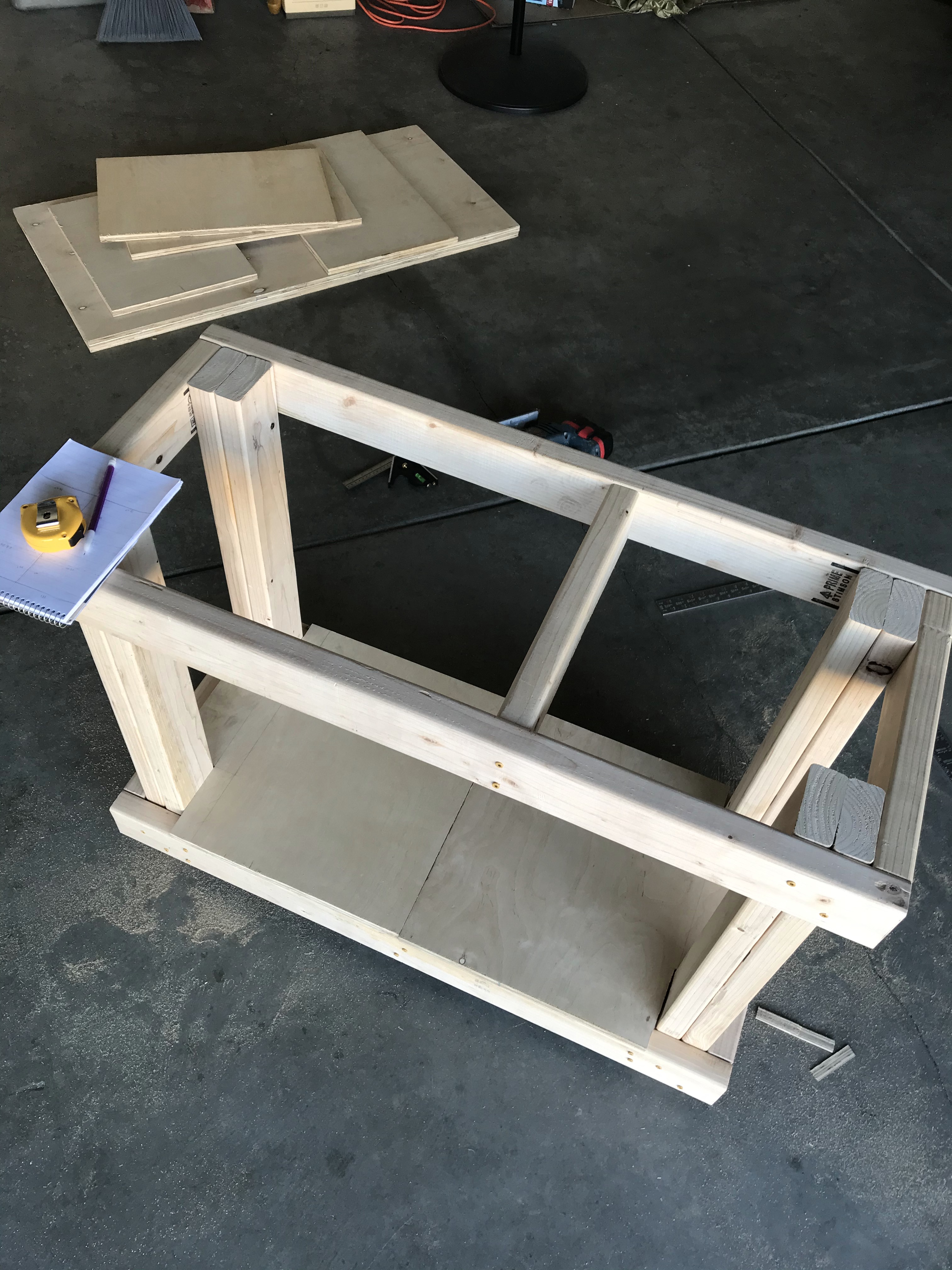
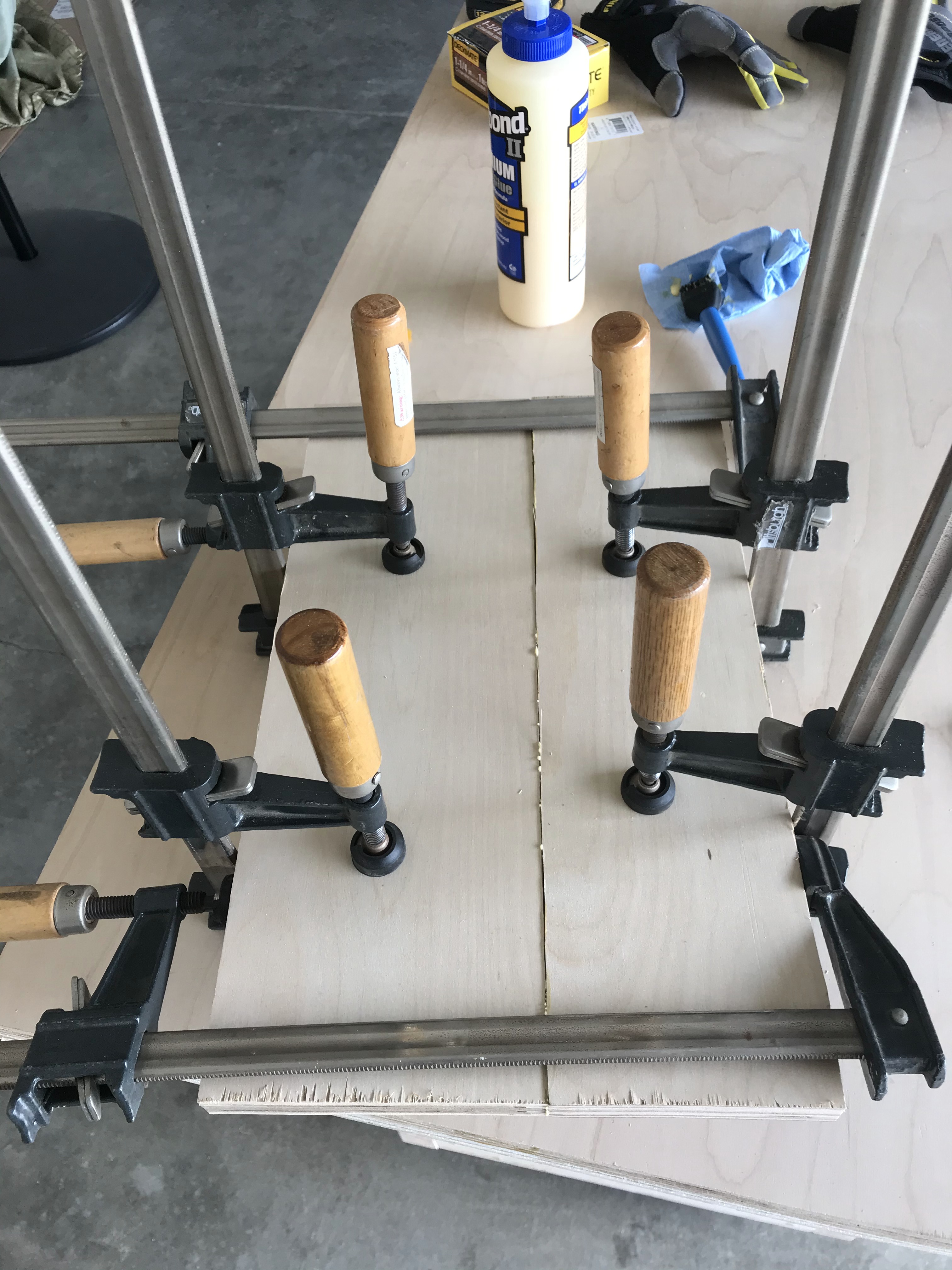
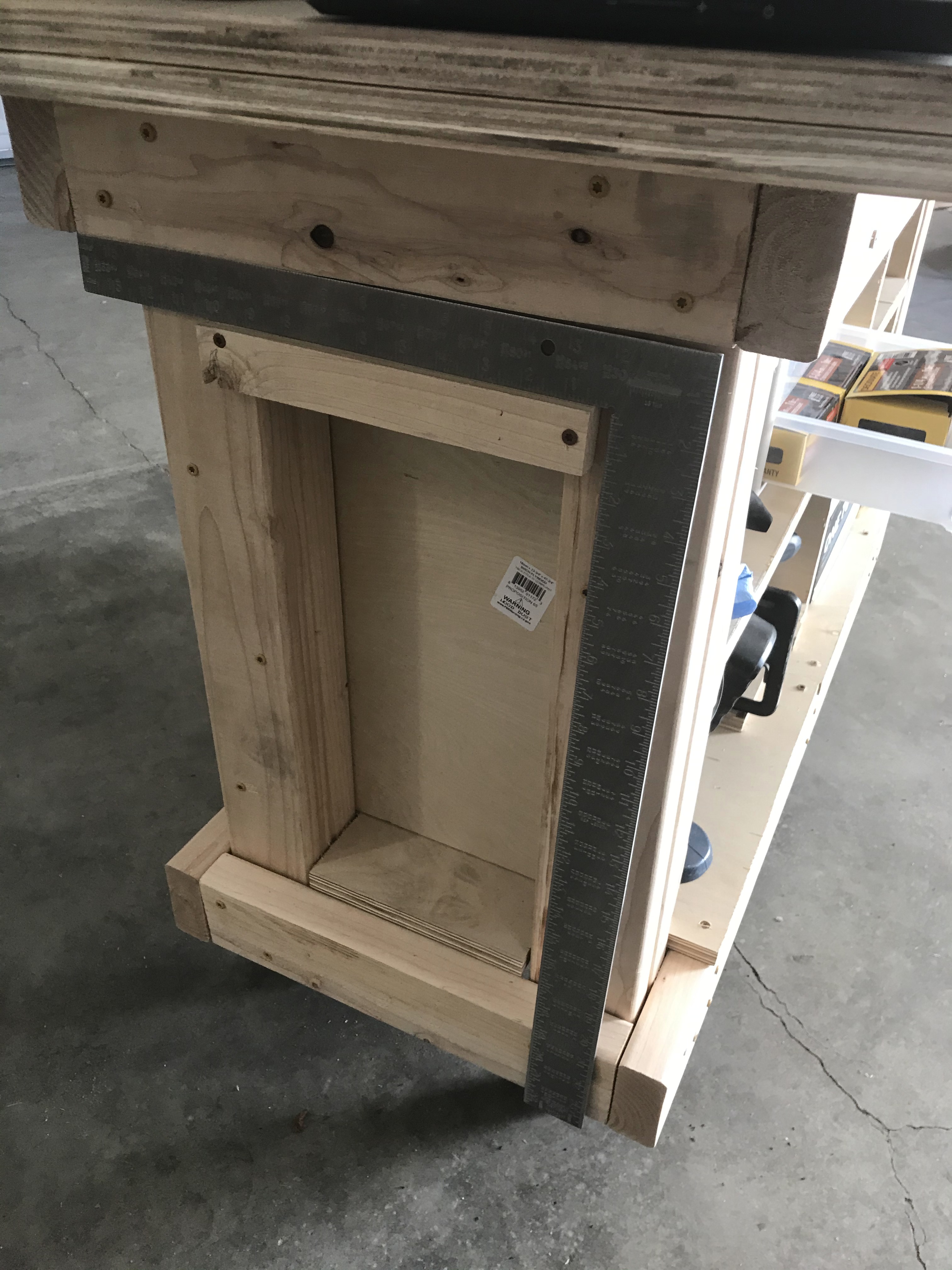
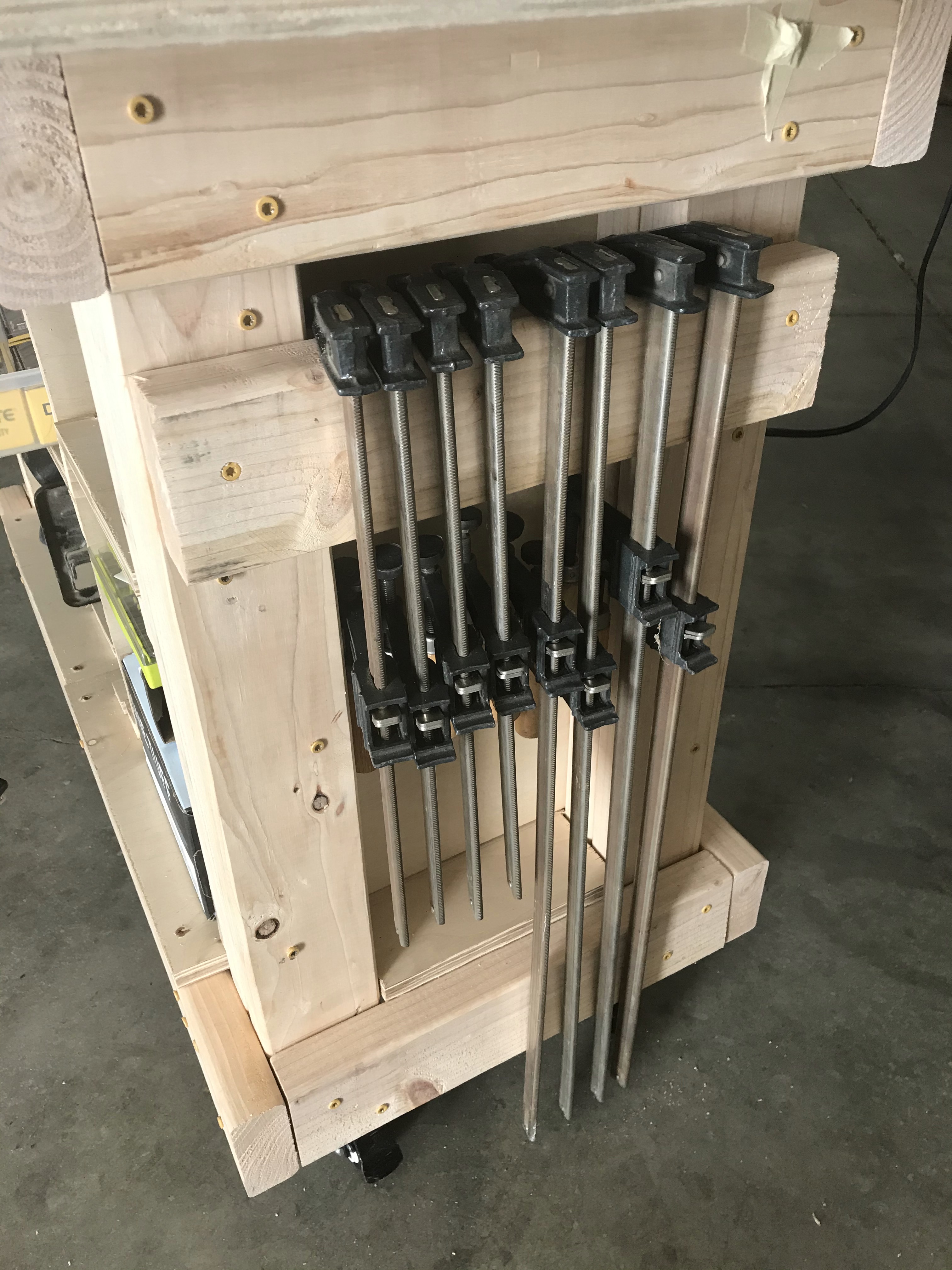
When I started my workshop, I had my Miter saw on a coffee table. I needed a better work space, so I made this basic mobile workbench (BMW) from Steve Ramsey’s design. It is 2′ by 4′, which is small enough to fit in my garage with my car. This was a great first project to learn the basics through trial and error. Overall, the best lesson was learning that wood is resilient to mistakes.

See the walk-through below for more details on this build.

Holiday Triangle

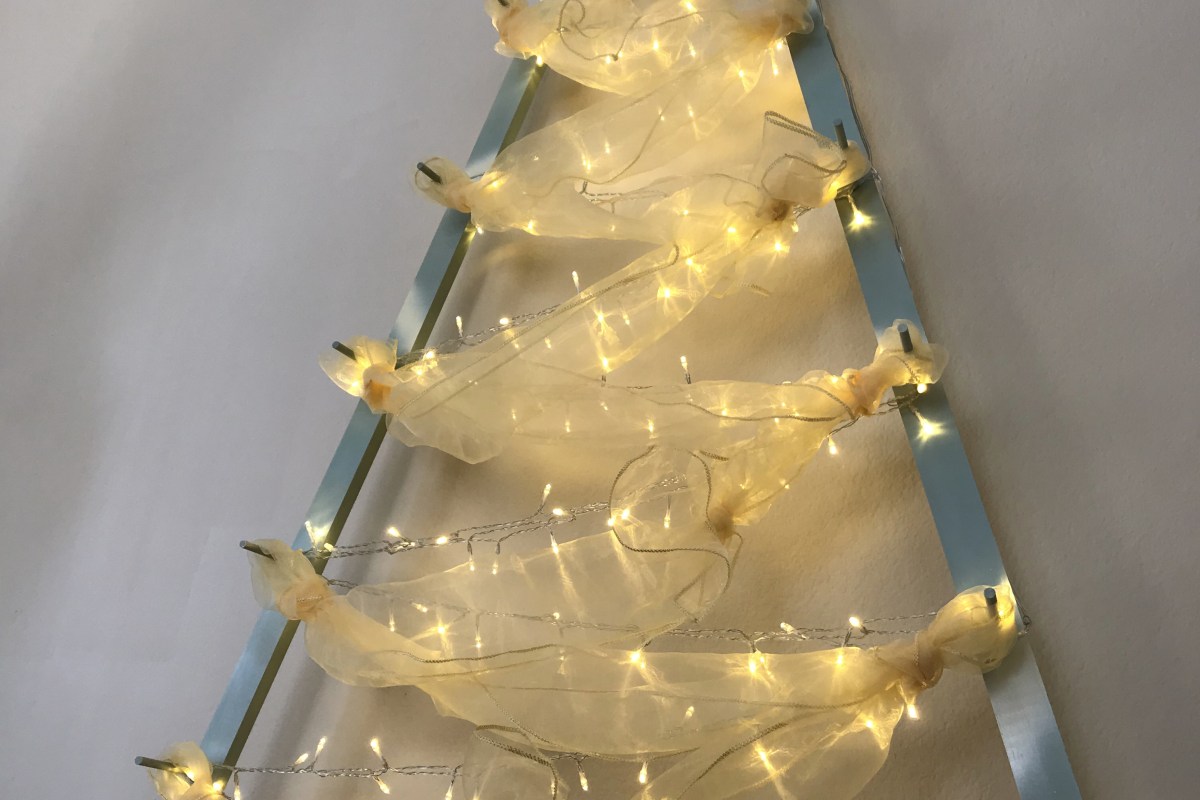
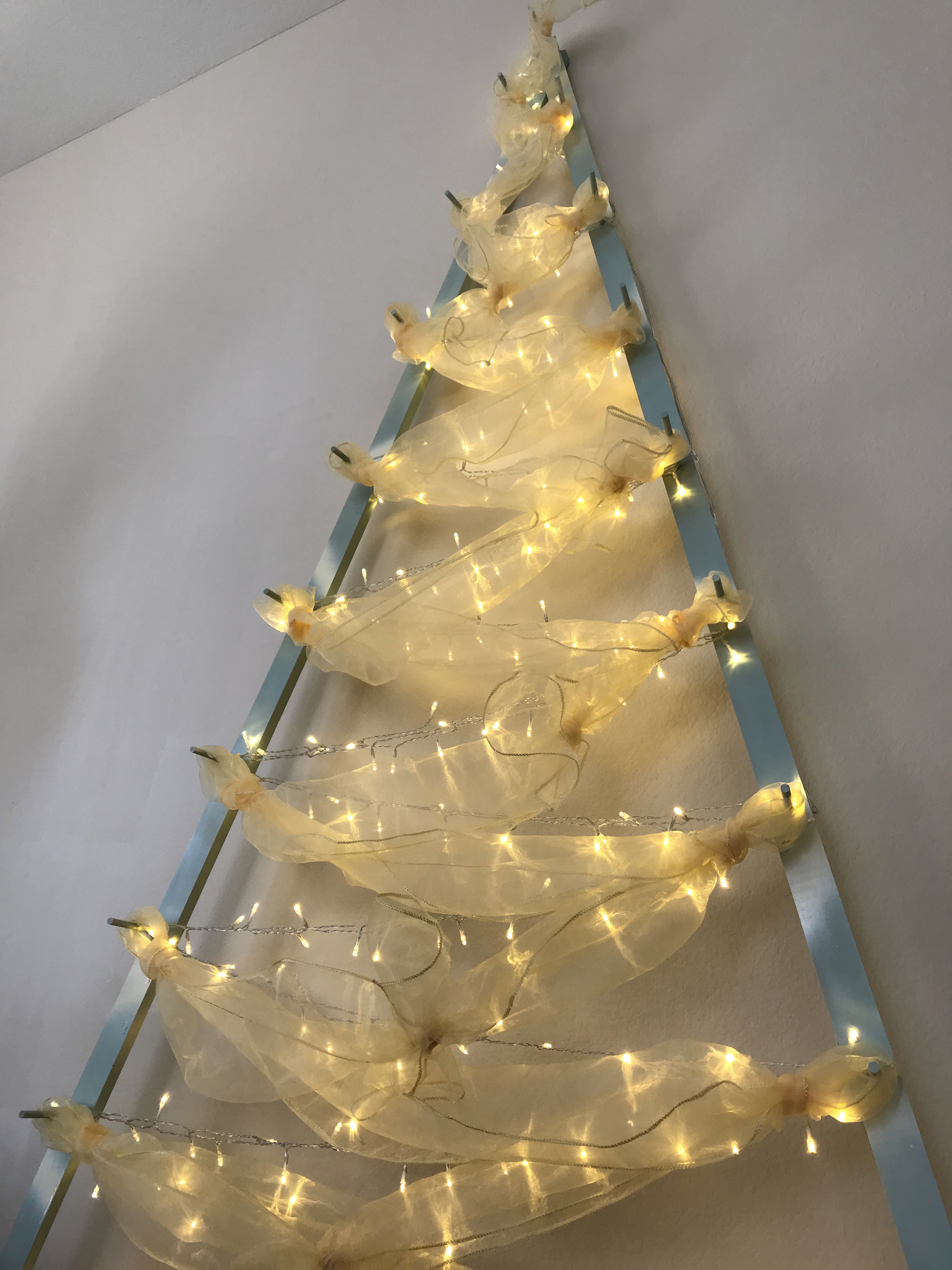
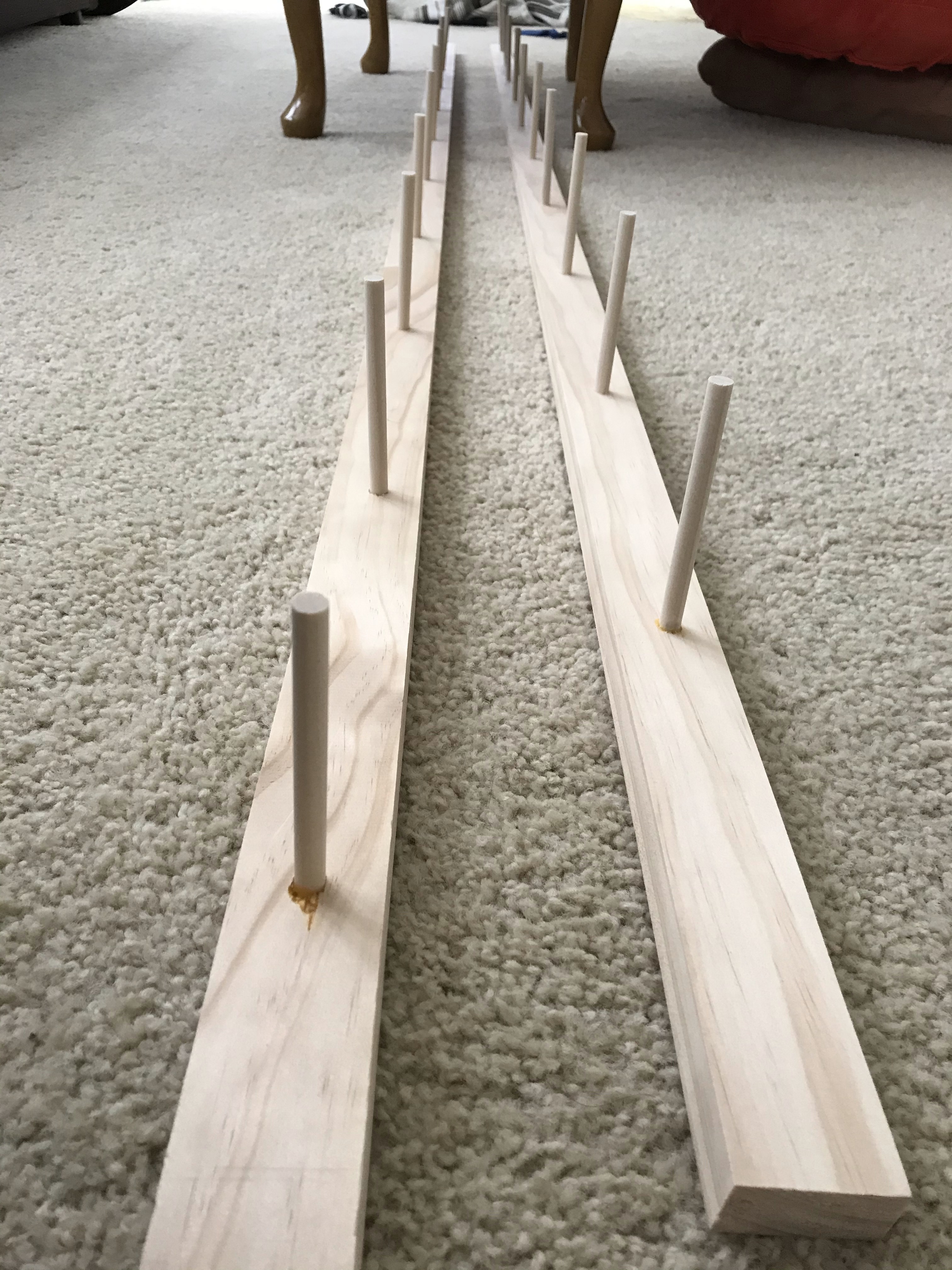
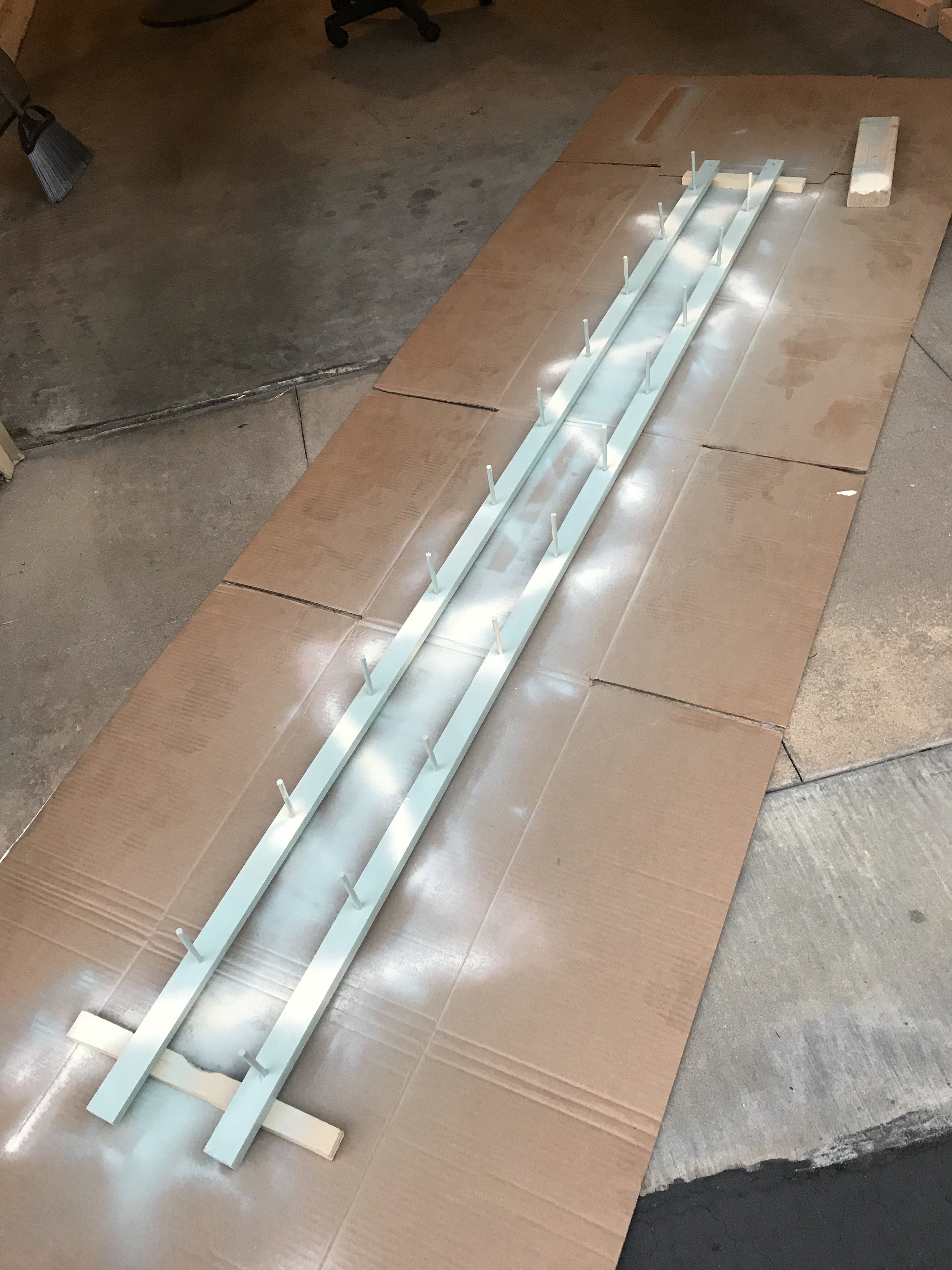
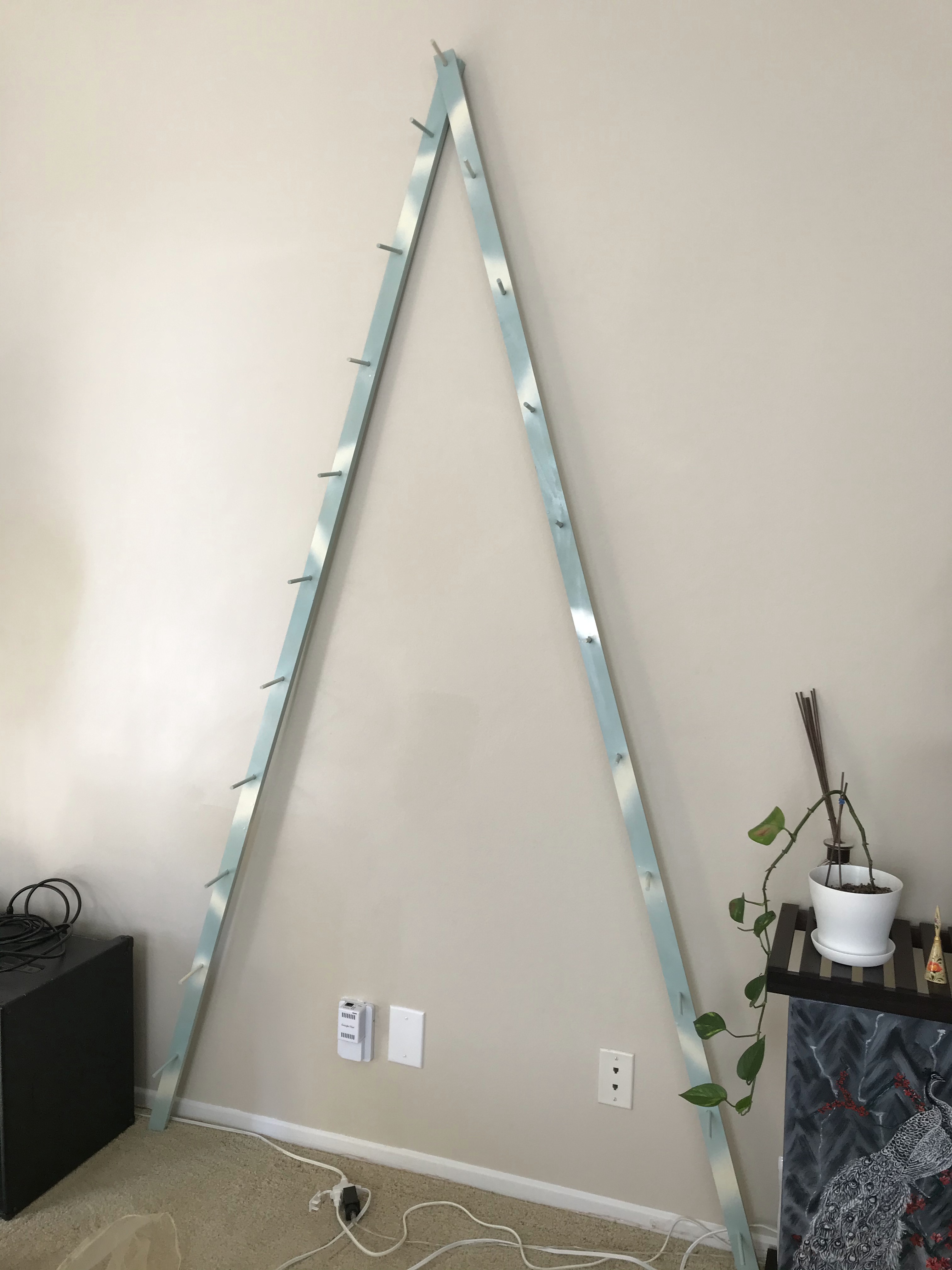
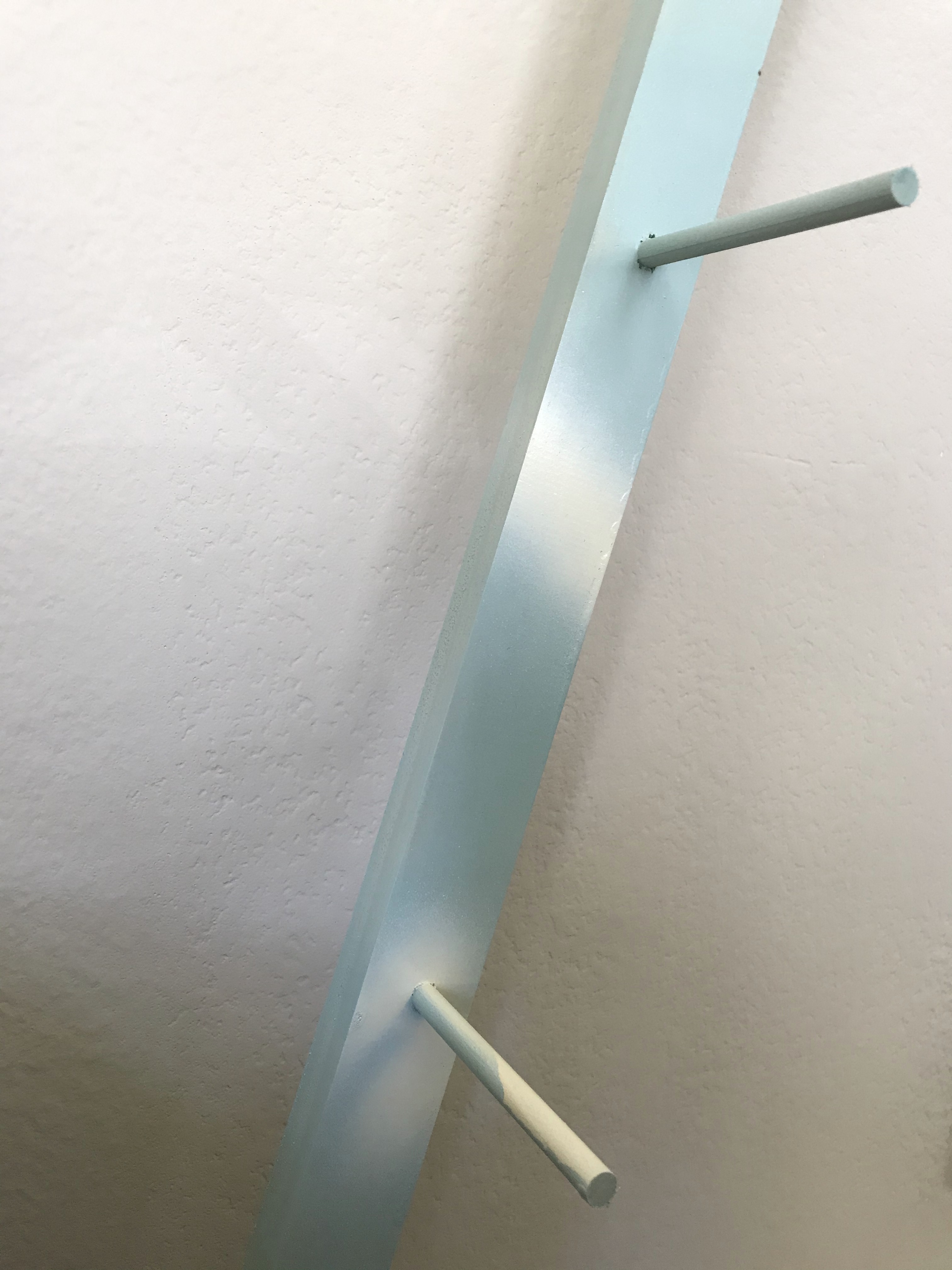
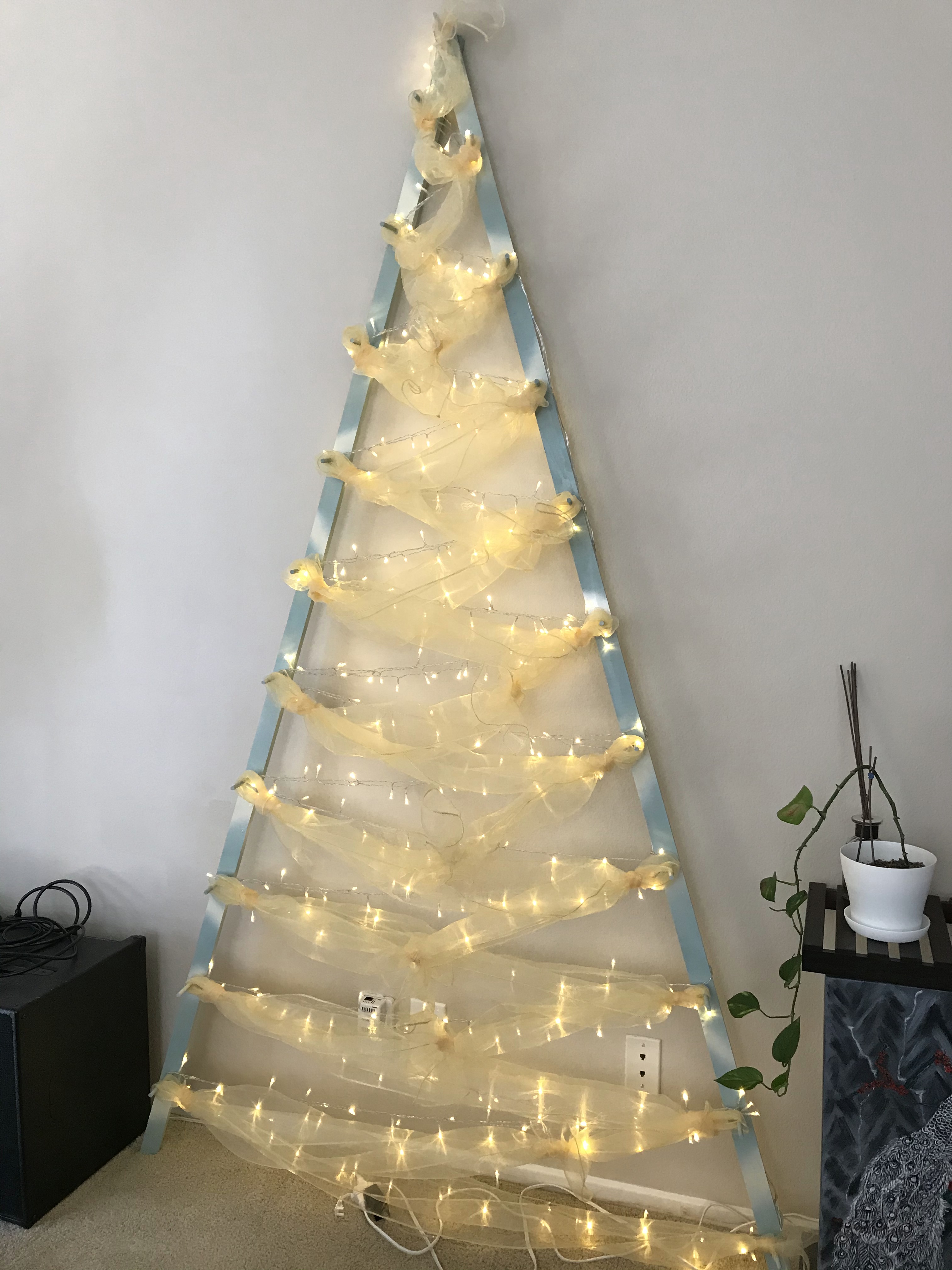
I made this holiday triangle in 2020. Completed it just in time for Diwali (mid-November) and took it down in mid-January. It brought a lot of light and joy to an otherwise dismal holiday season.

See the walk-through below to learn more about the build.

Harmony Garden Bench

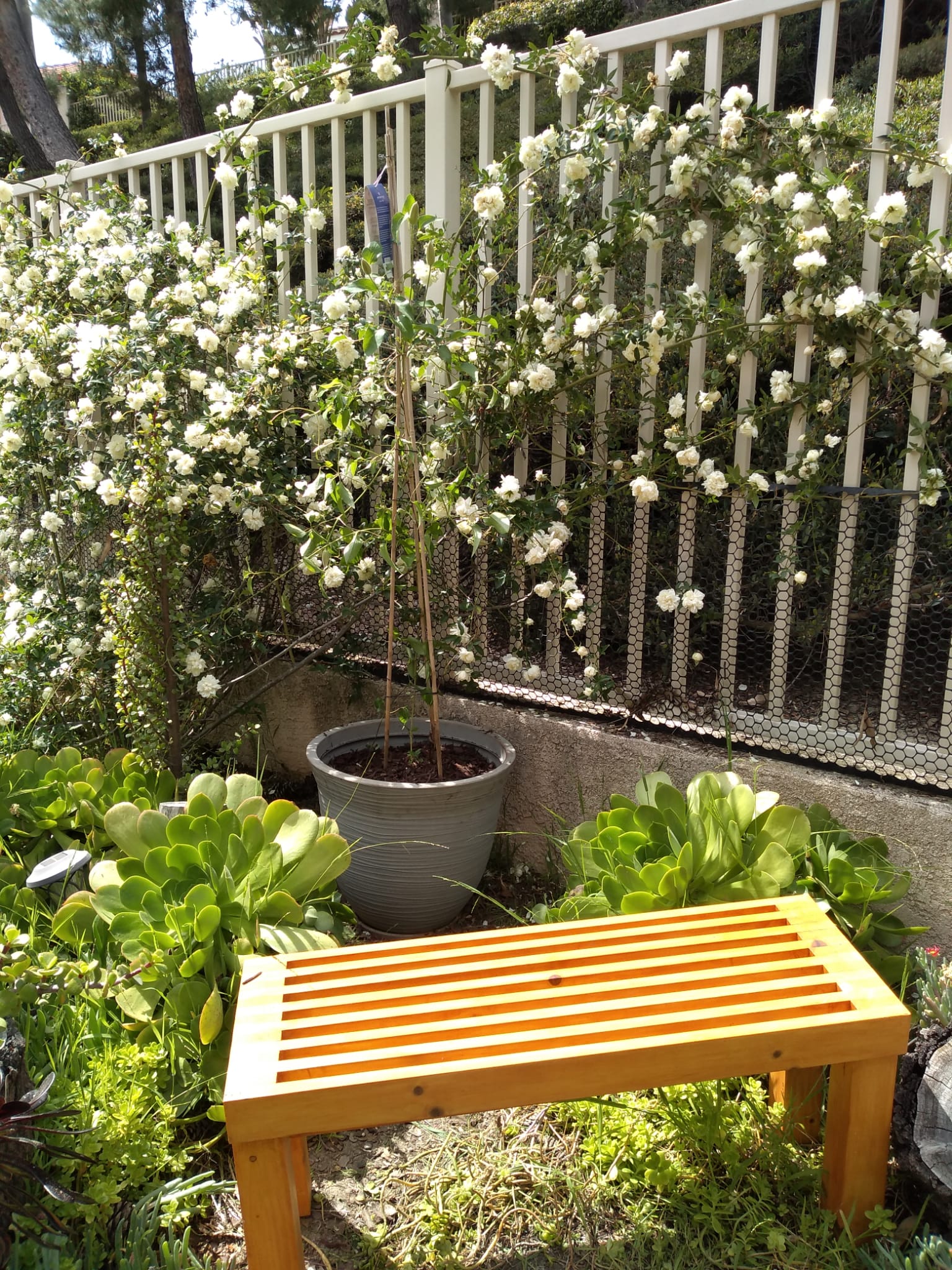
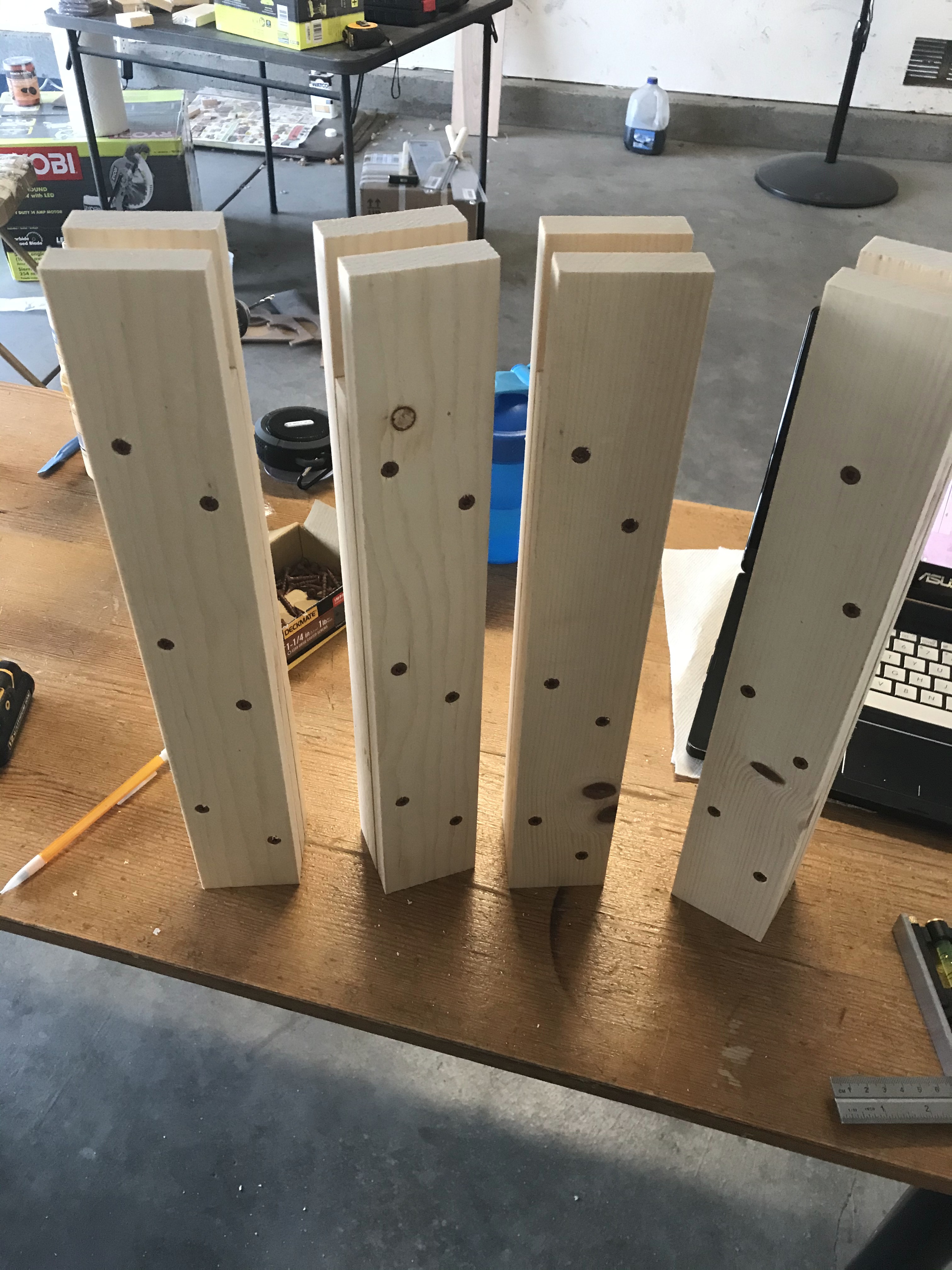
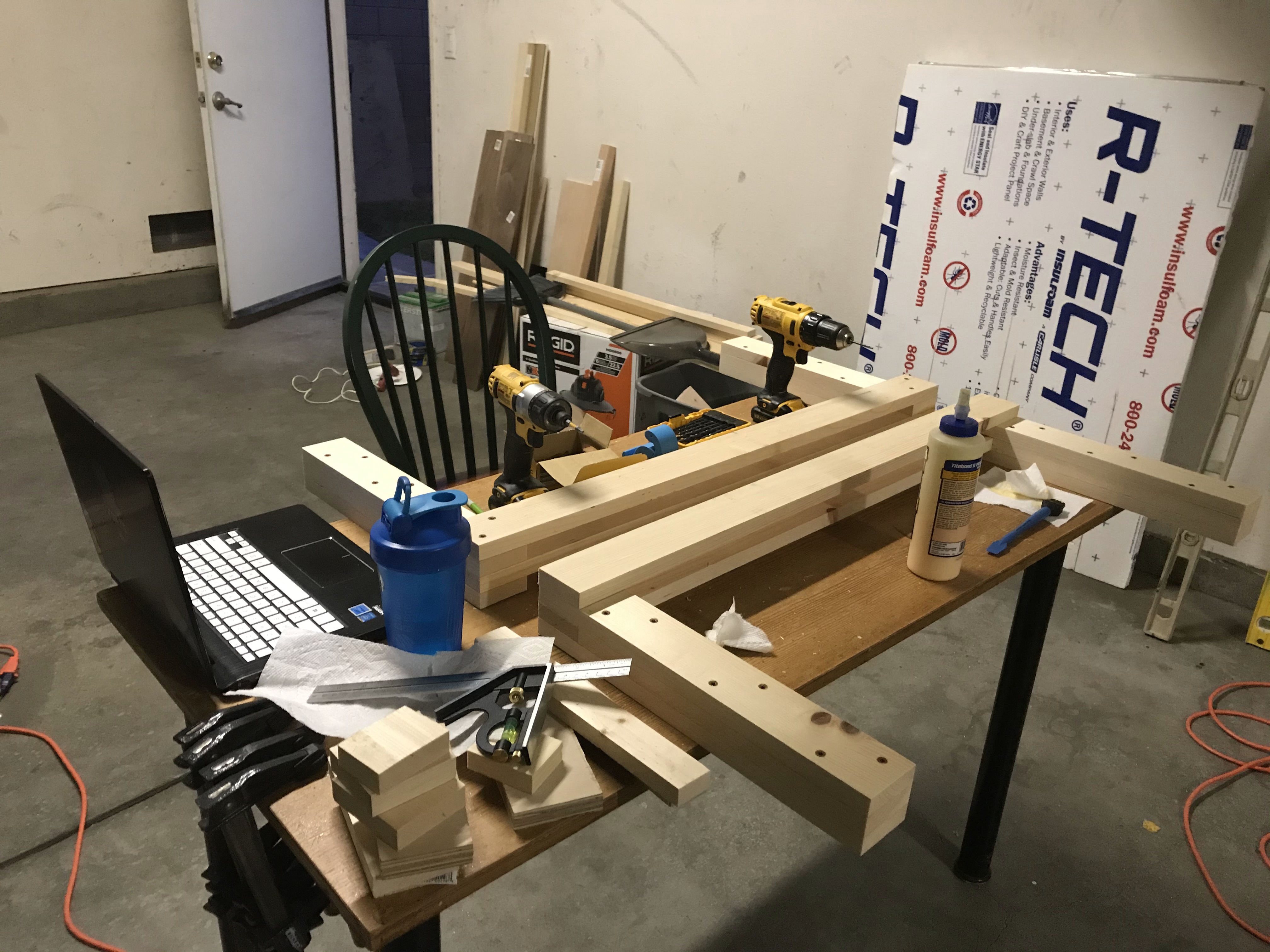
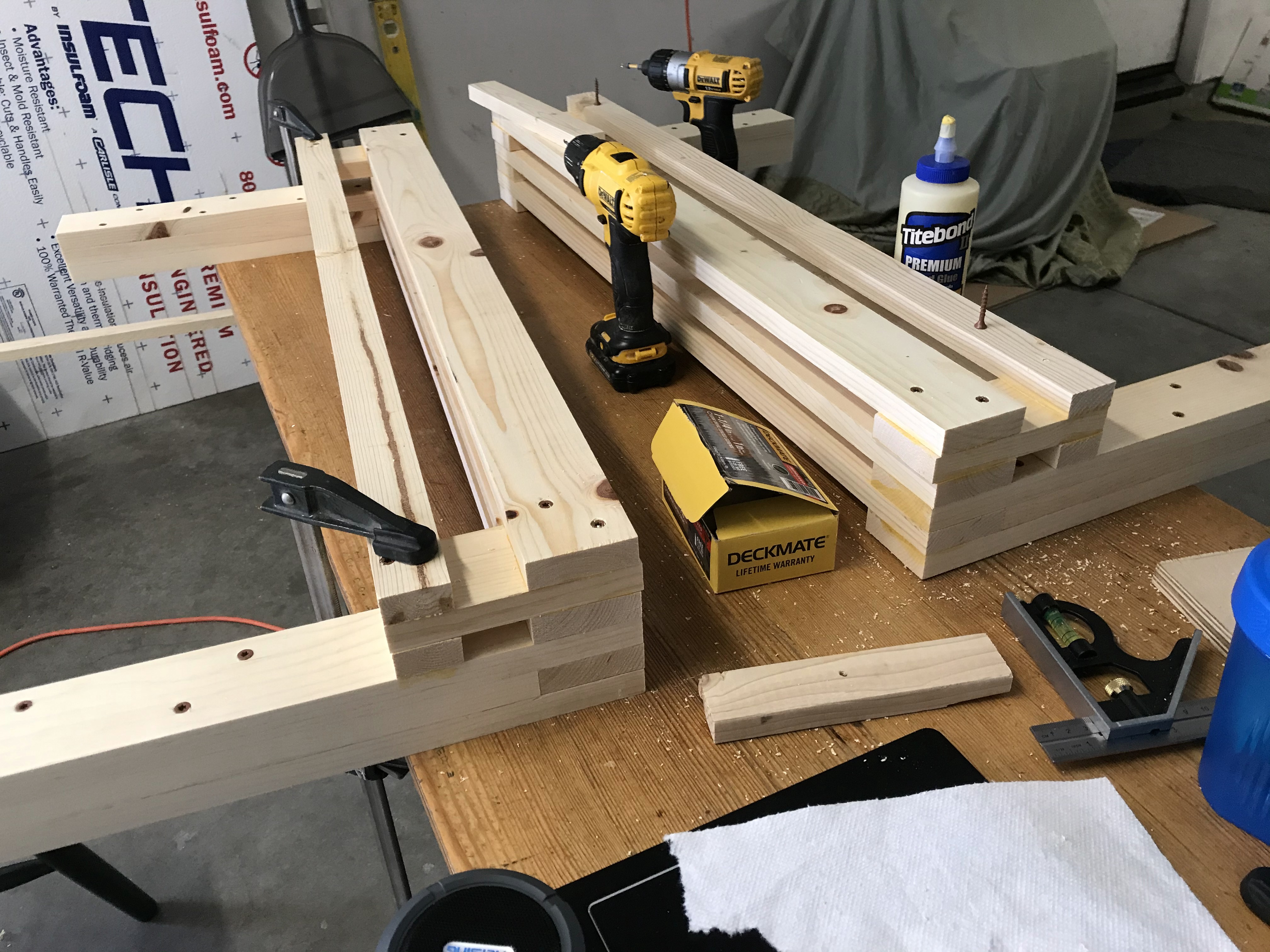
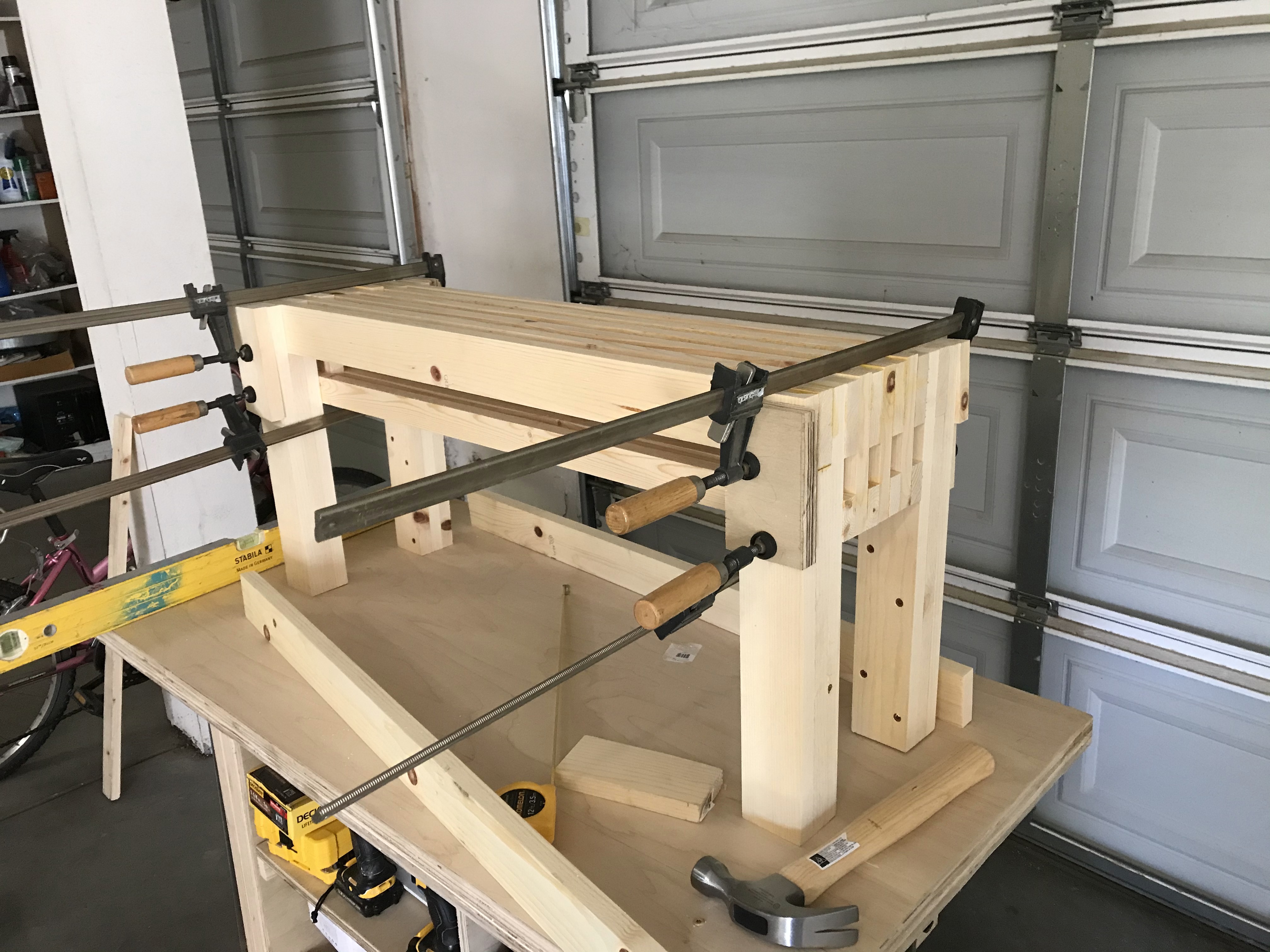
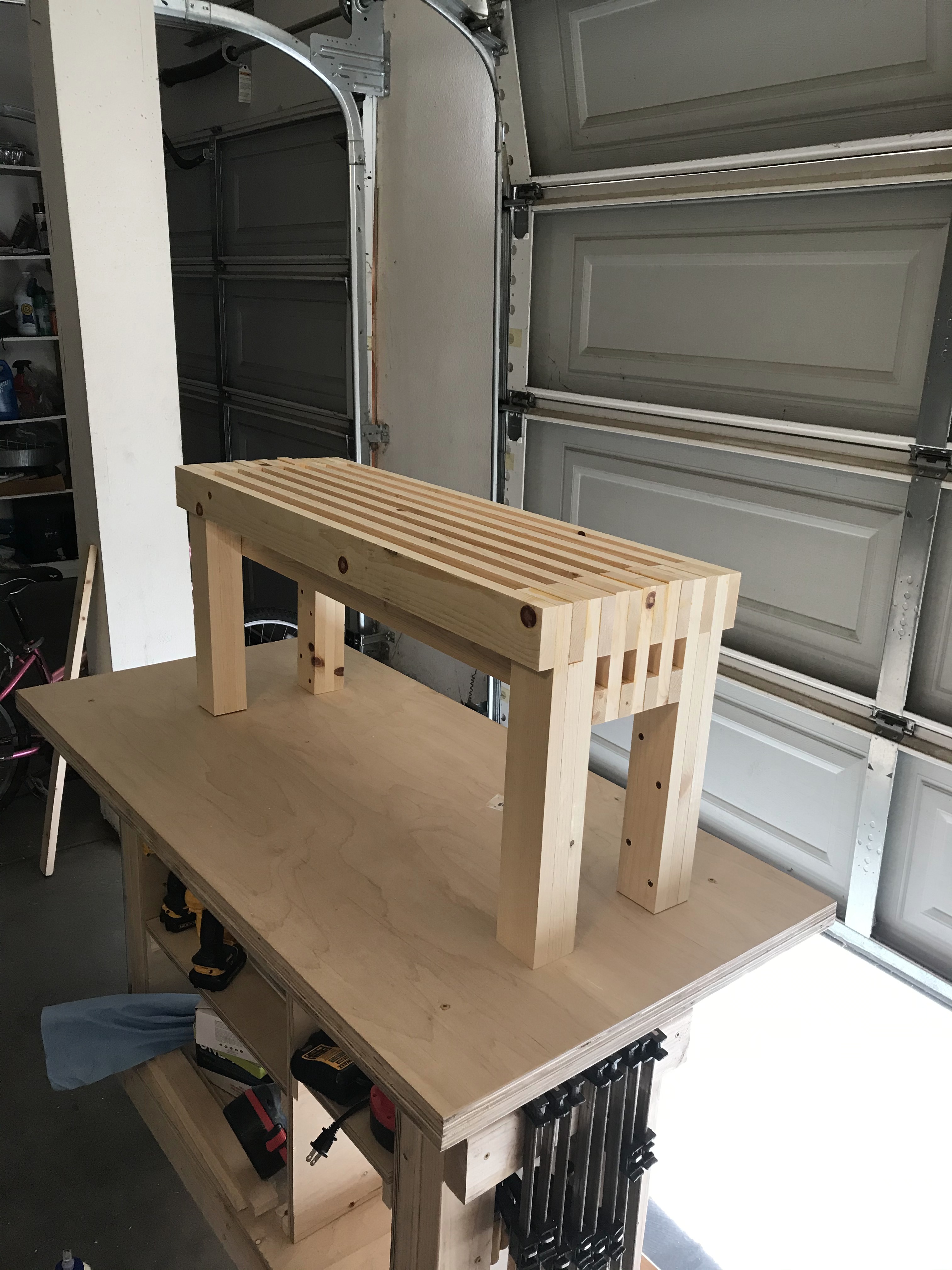
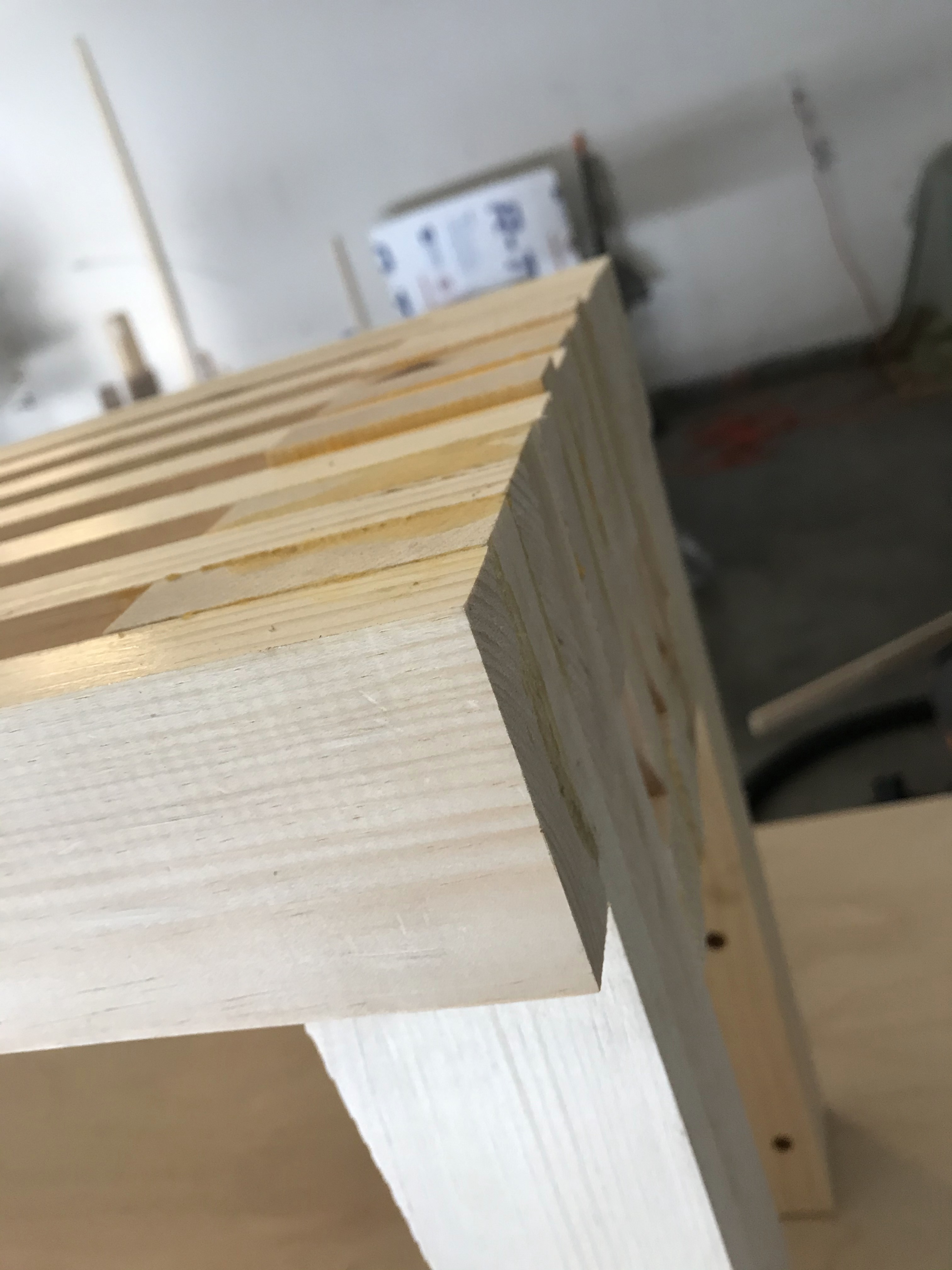
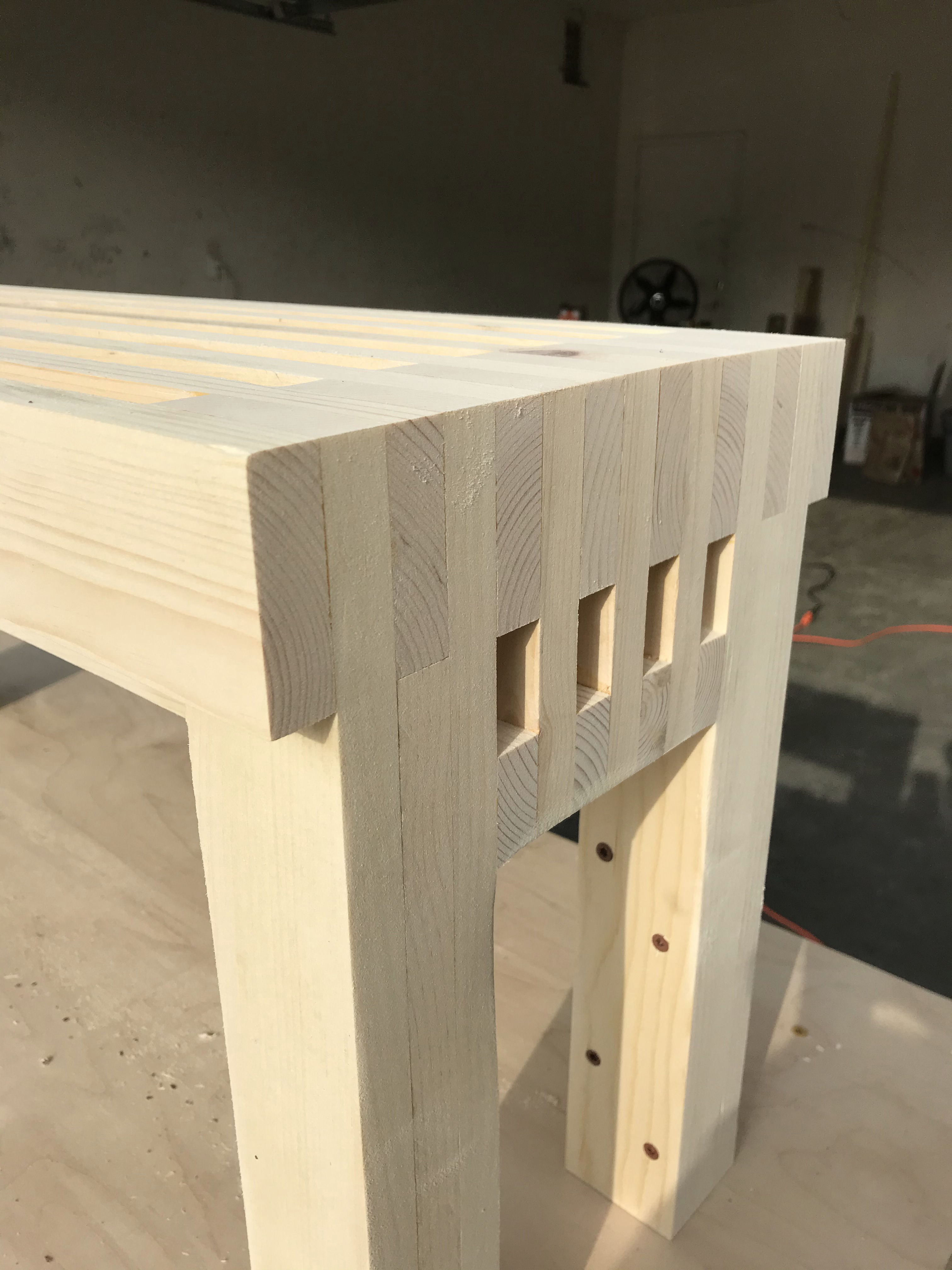
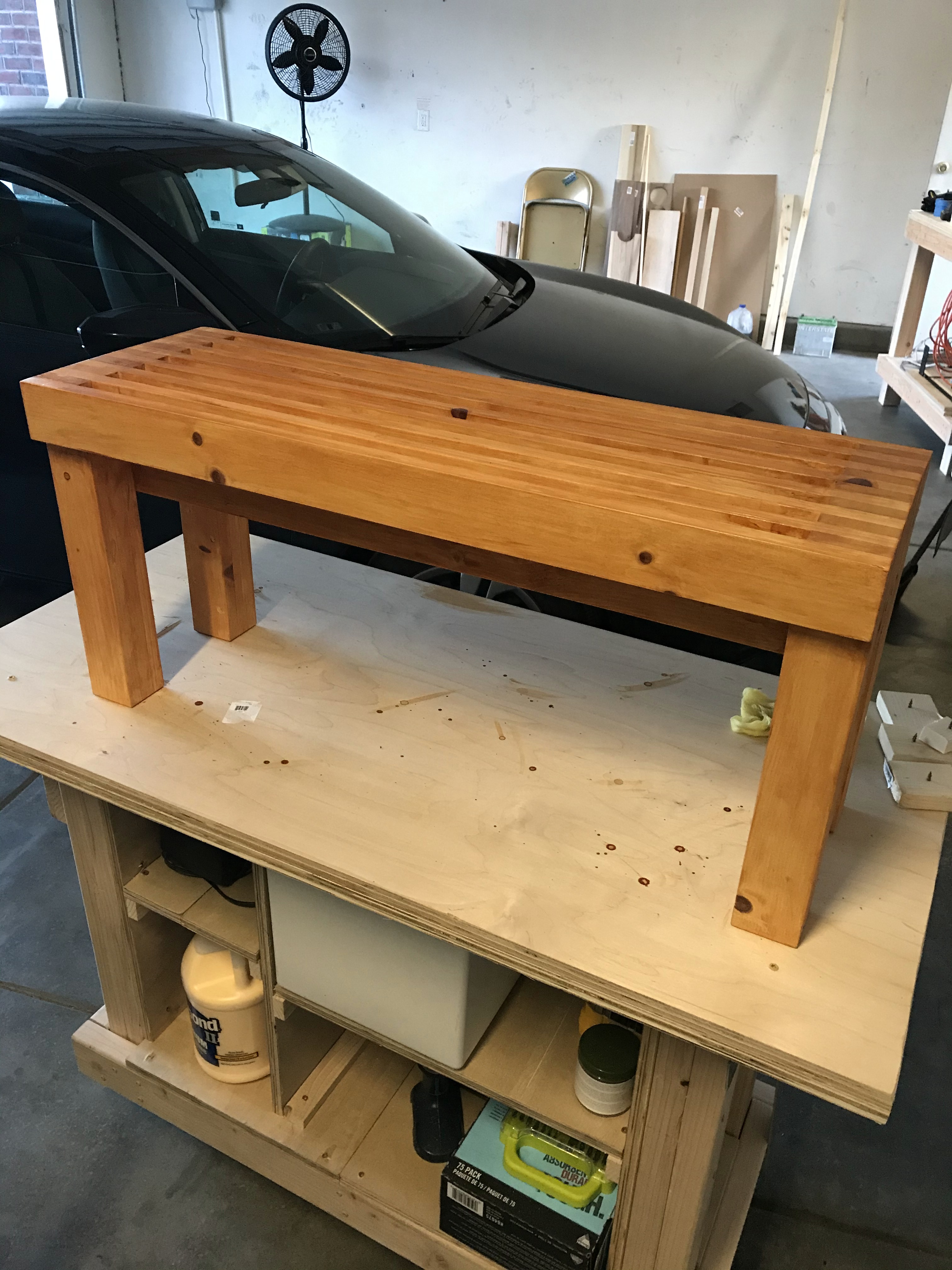
The harmony garden bench was the first project in Steve Ramsey’s Weekend Woodworker course. This project demanded careful construction. I had to choose how to lay the wood slats for the final design to get a nice grain pattern on the final piece. I had to think ahead to make sure all the screws would be hidden in the final product. And I learned about polyurethane finishes and plastic wood – materials I had not worked with before. Overall, it was a great introductory project for a first-time builder.

See the walk-through below to learn more about the build.